
Cutting Board
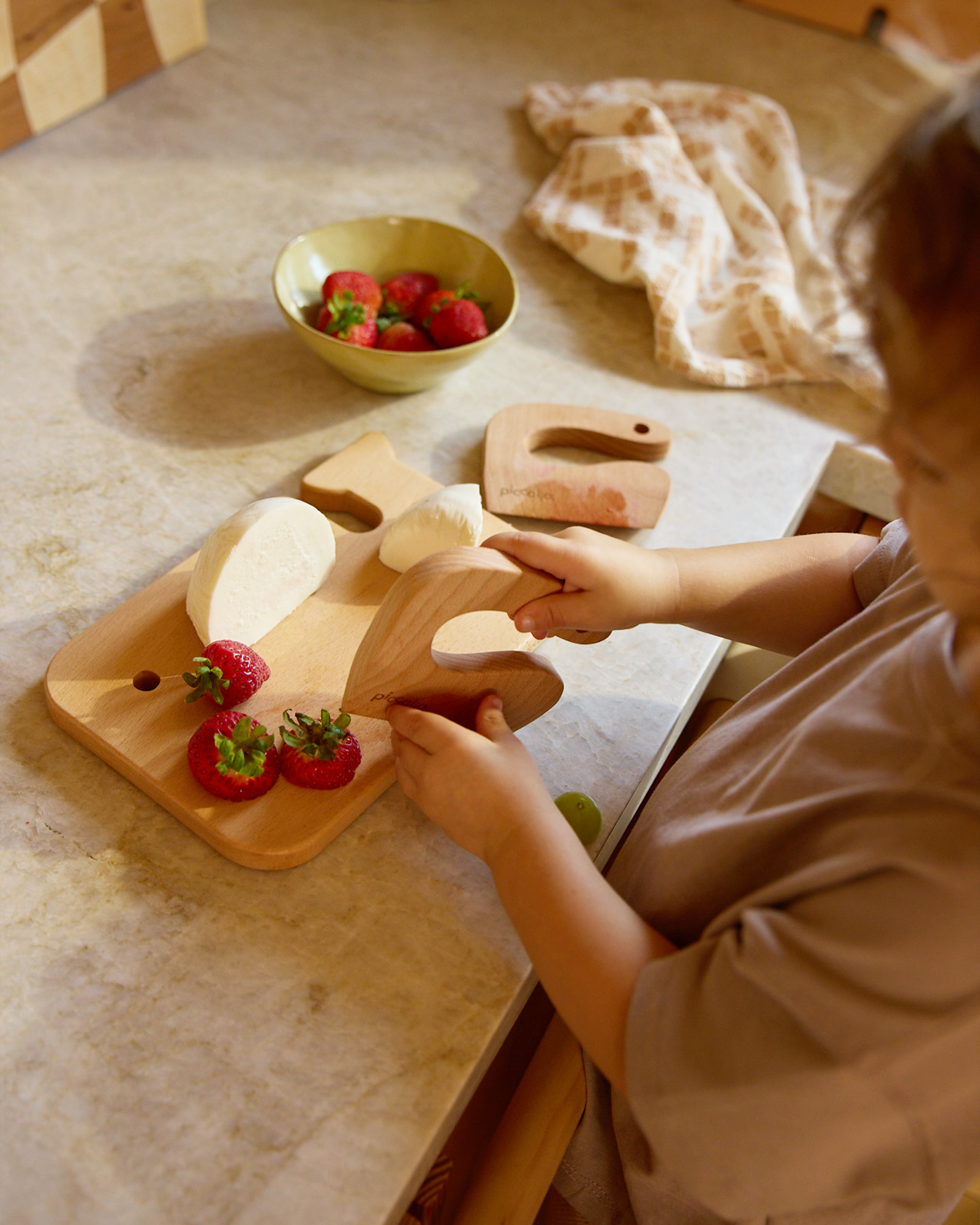
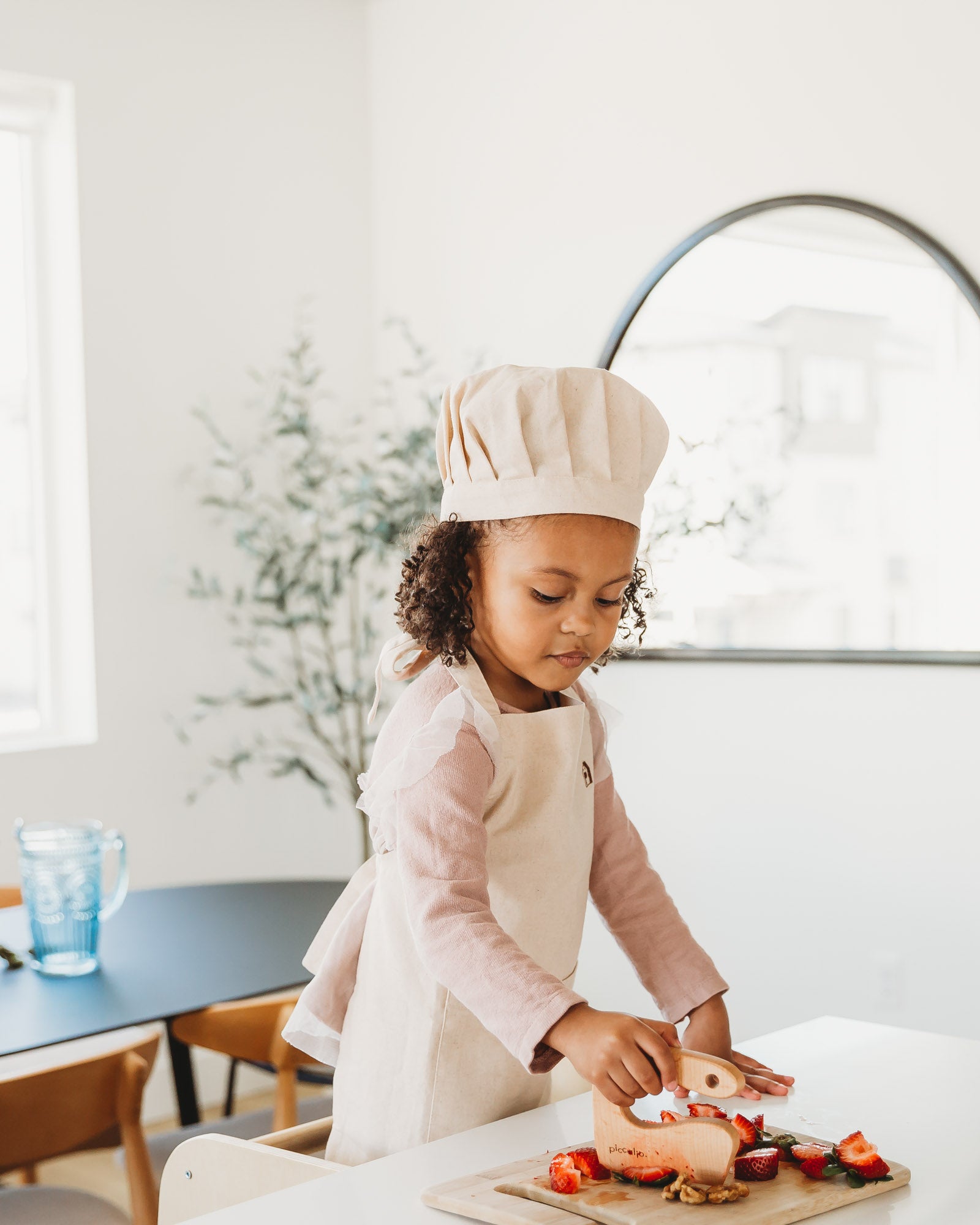
Inspire your mini chef in the kitchen with a cutting board just their style and just their size. Chop up strawberries, bananas, cucumbers, and more on a sustainably made, safe cutting board. While cutting, your child builds fine motor skills, confidence, and independence.
-
Eco-friendly, non-toxic, and FDA compliant
-
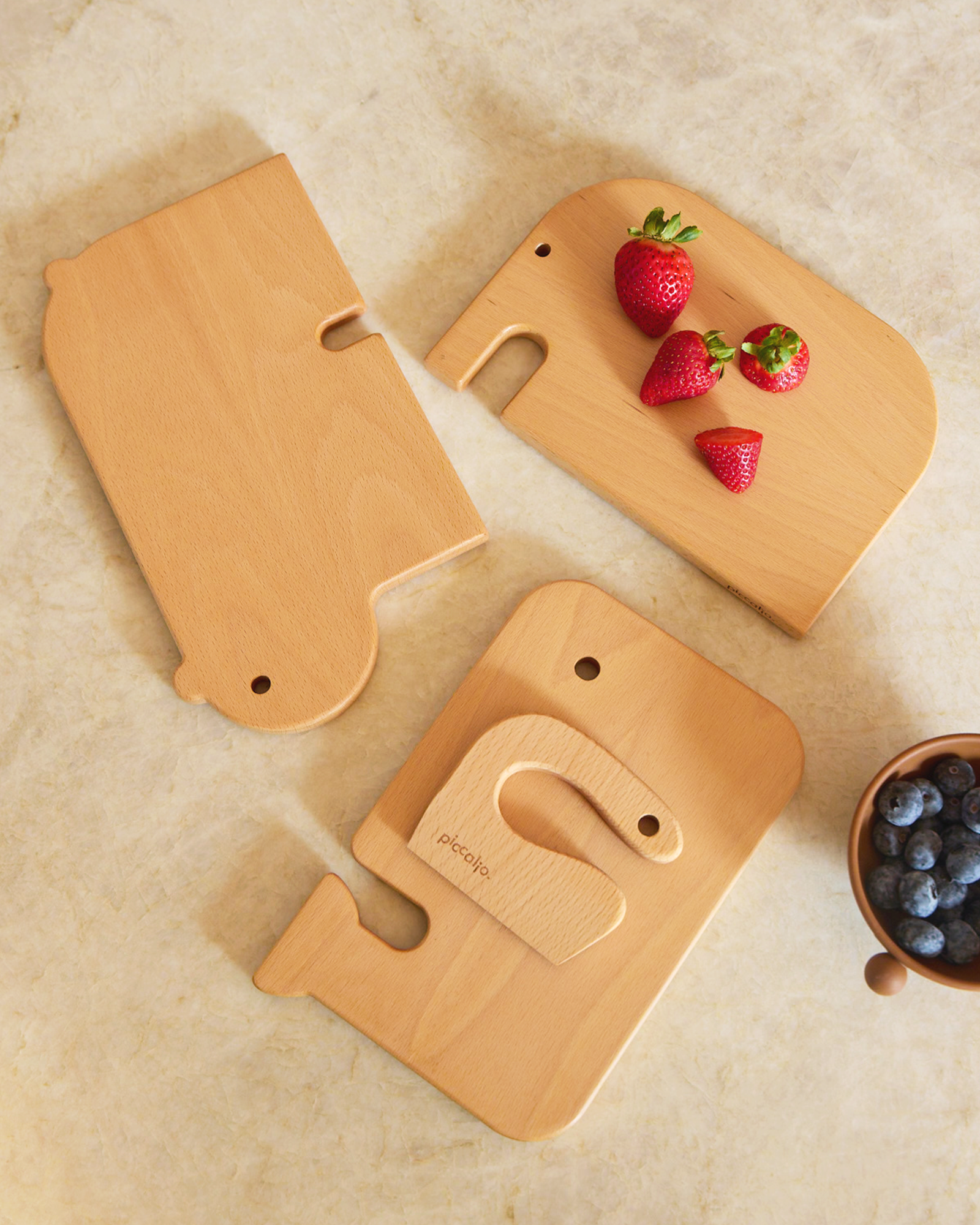
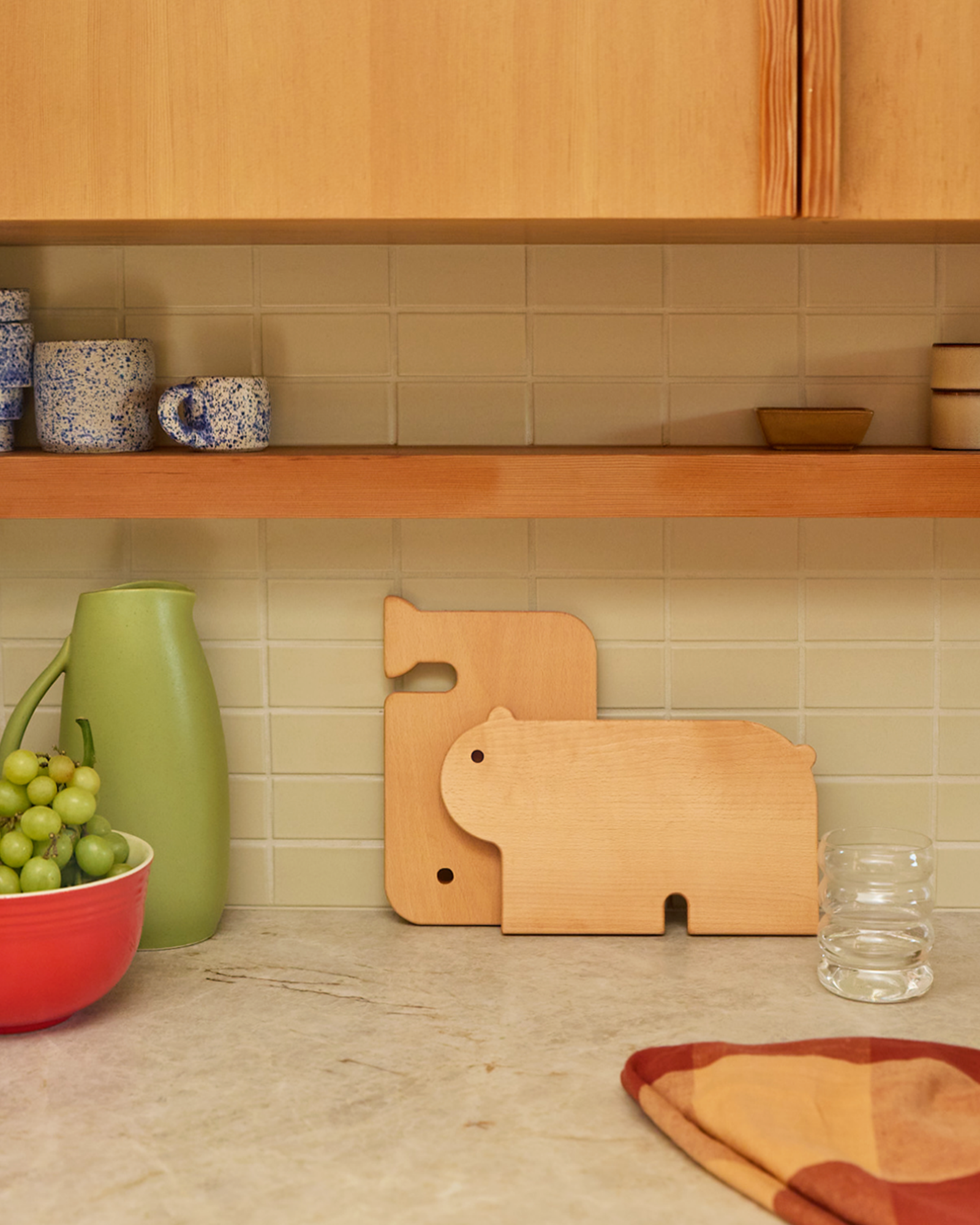
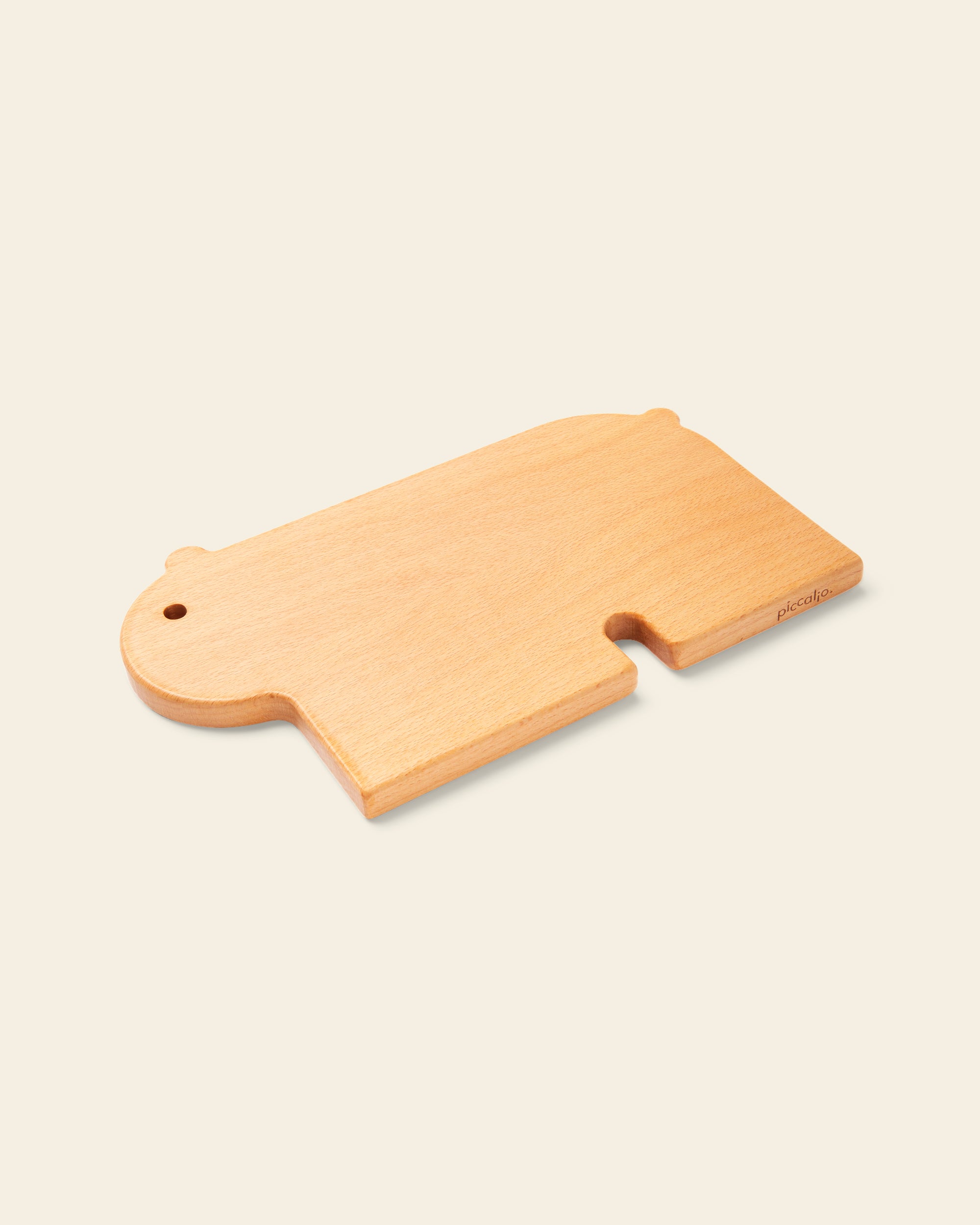
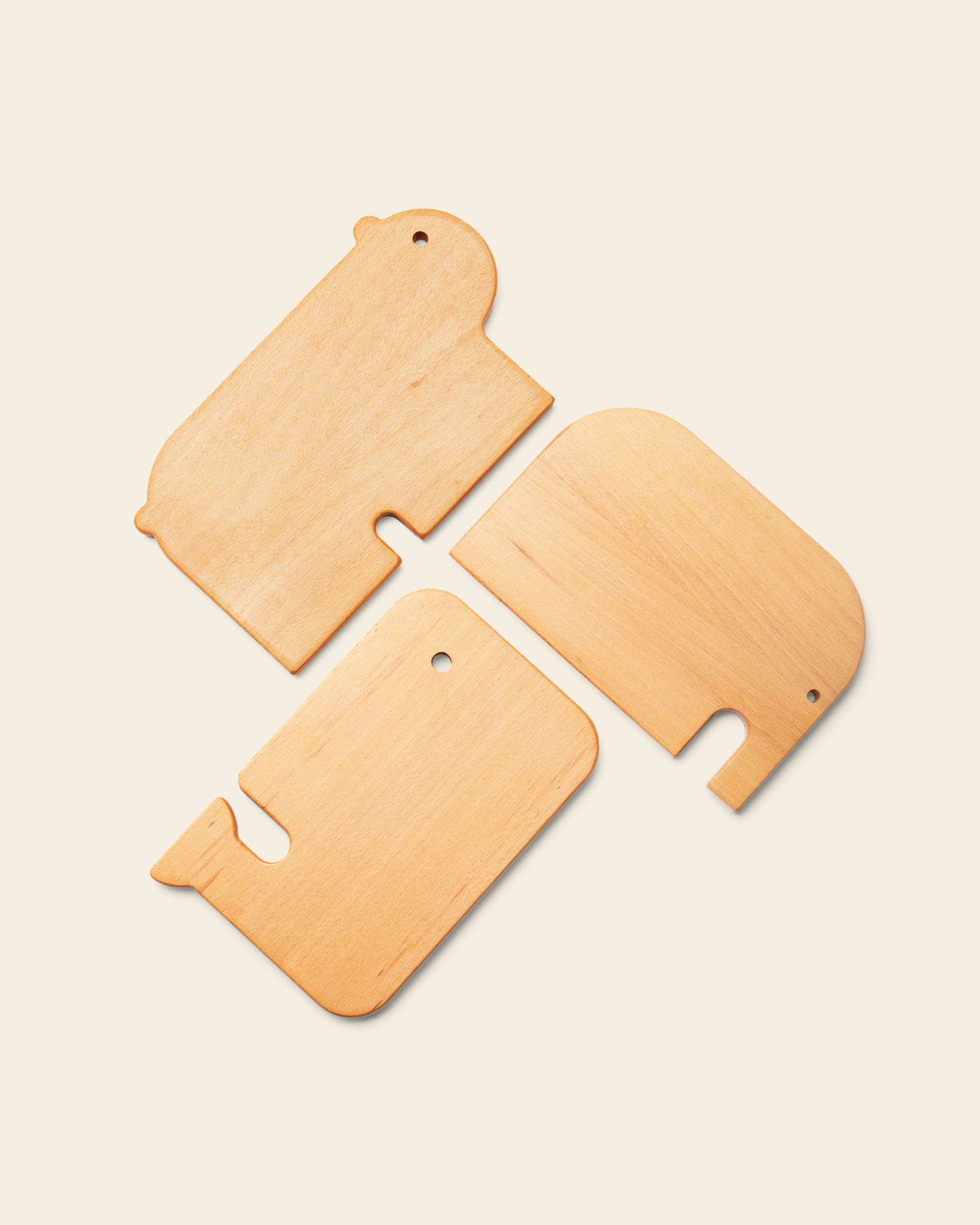
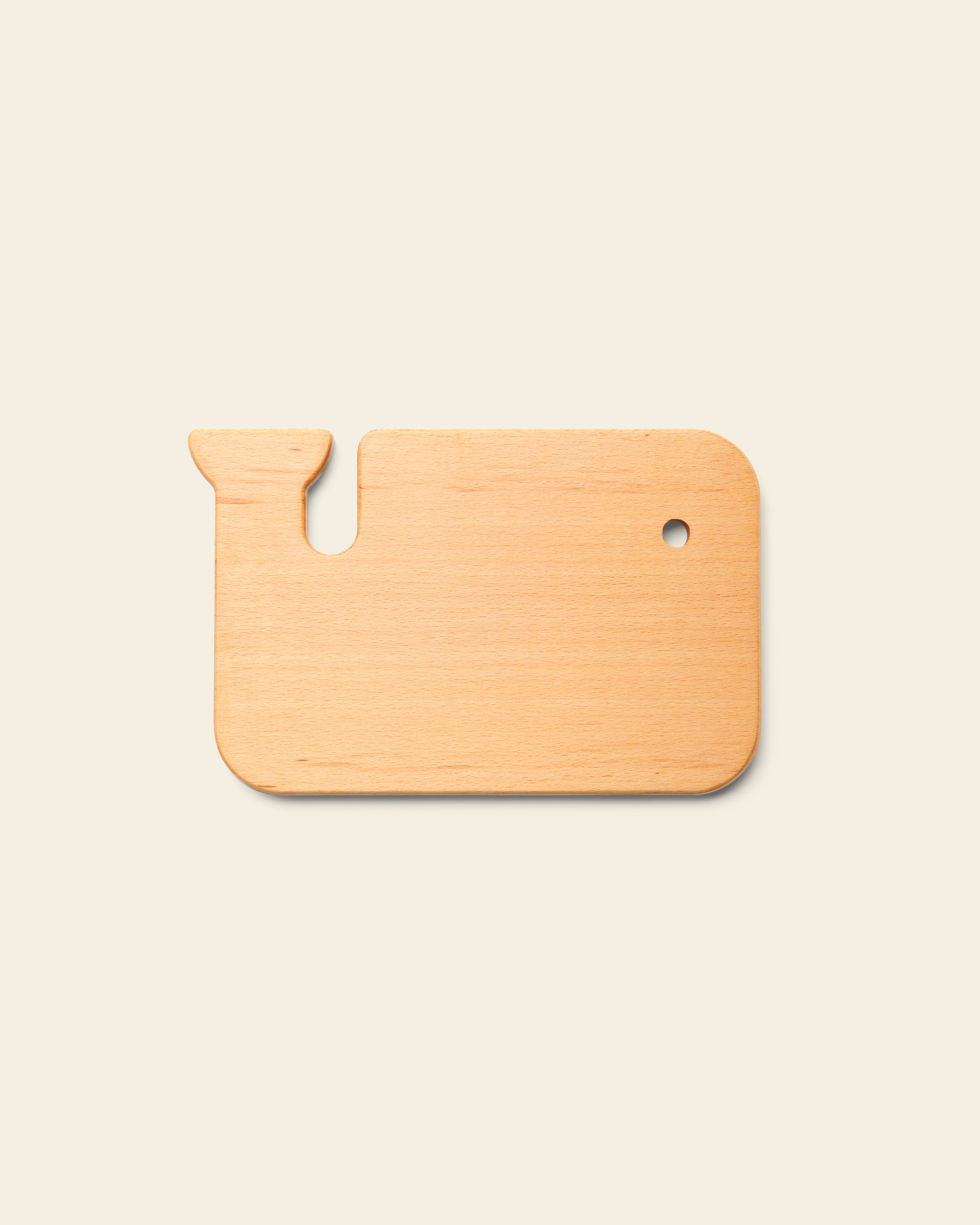
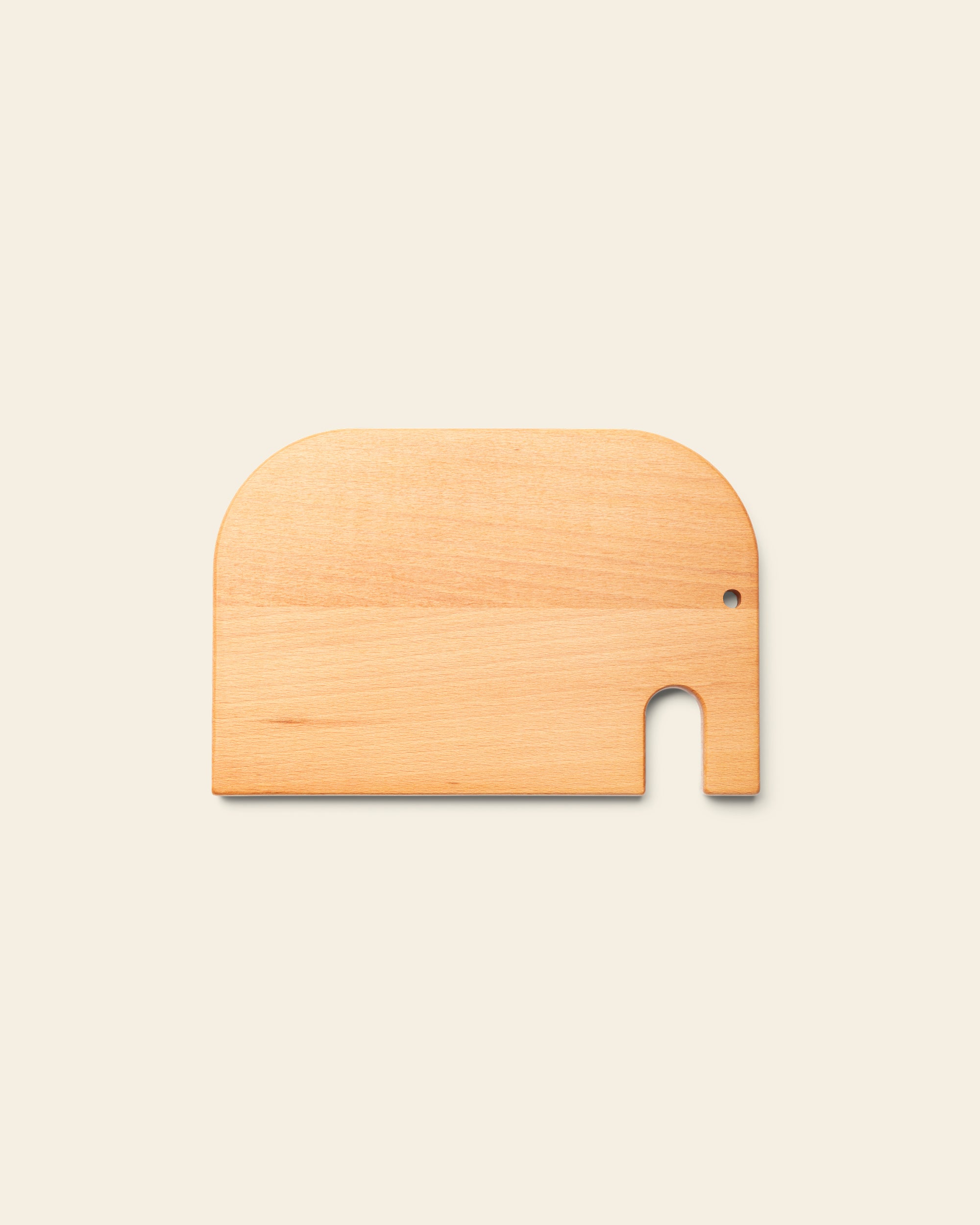
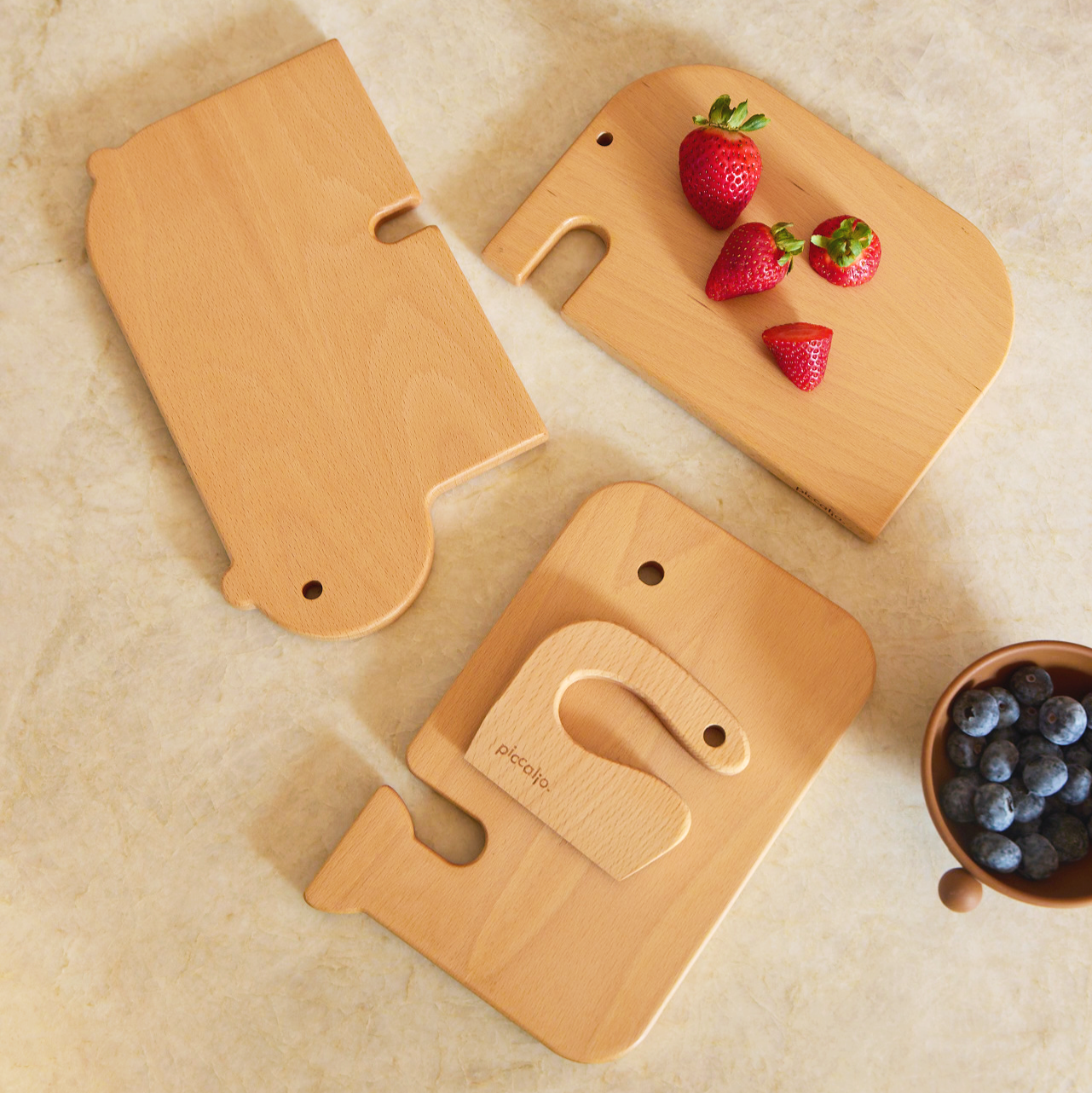
Comes in three fun shapes. Choose one…or all three!
-
Fosters learning, skill development, and independence


GREENGUARD Gold

FSC Certified

California Prop 65
Choose options
Details
The Cutting Board is designed to help little ones participate confidently in everyday kitchen activities. Sized just right for small hands, this kids cutting board creates a safe and comfortable workspace for slicing fruits, vegetables, and other soft foods during supervised meal prep.
The perfect complement to child-safe kitchen tools, these mini cutting boards encourage practical life learning while helping develop fine motor skills, coordination, and independence. The compact design makes it easy for toddlers to handle while providing a stable surface for everyday kitchen exploration.
Crafted from sustainably sourced, non-toxic materials and built for durability, this wooden cutting board is thoughtfully designed for family kitchens. Used alongside Montessori furniture for toddlers in a kitchen learning setup, it supports hands-on cooking experiences that build confidence and independence.
- Materials:
- FSC® European solid beech wood
- Dimensions:
- Size: 9.5 in L x 6.5 W in x 0.6 in H
As always, safe for you, your home, and the planet.
- California Prop 65
- GREENGUARD Gold Certified
- FSC® Wood
- Assembly Instructions: No assembly required.
- Care: Cleans easily using damp cloth and mild soap. To protect the sustainably sourced European beech wood, don’t soak in water. Dry immediately.
- Warranty: All products are guaranteed with our 3-year warranty.
How to Teach Your Child to Use a Knife
Most toddlers are enthusiastic helpers if we can find a way for them to safely be involved. If you’re wondering how to teach your child to use a wooden knife, we’ve put together a guide to walk you through teaching this skill.
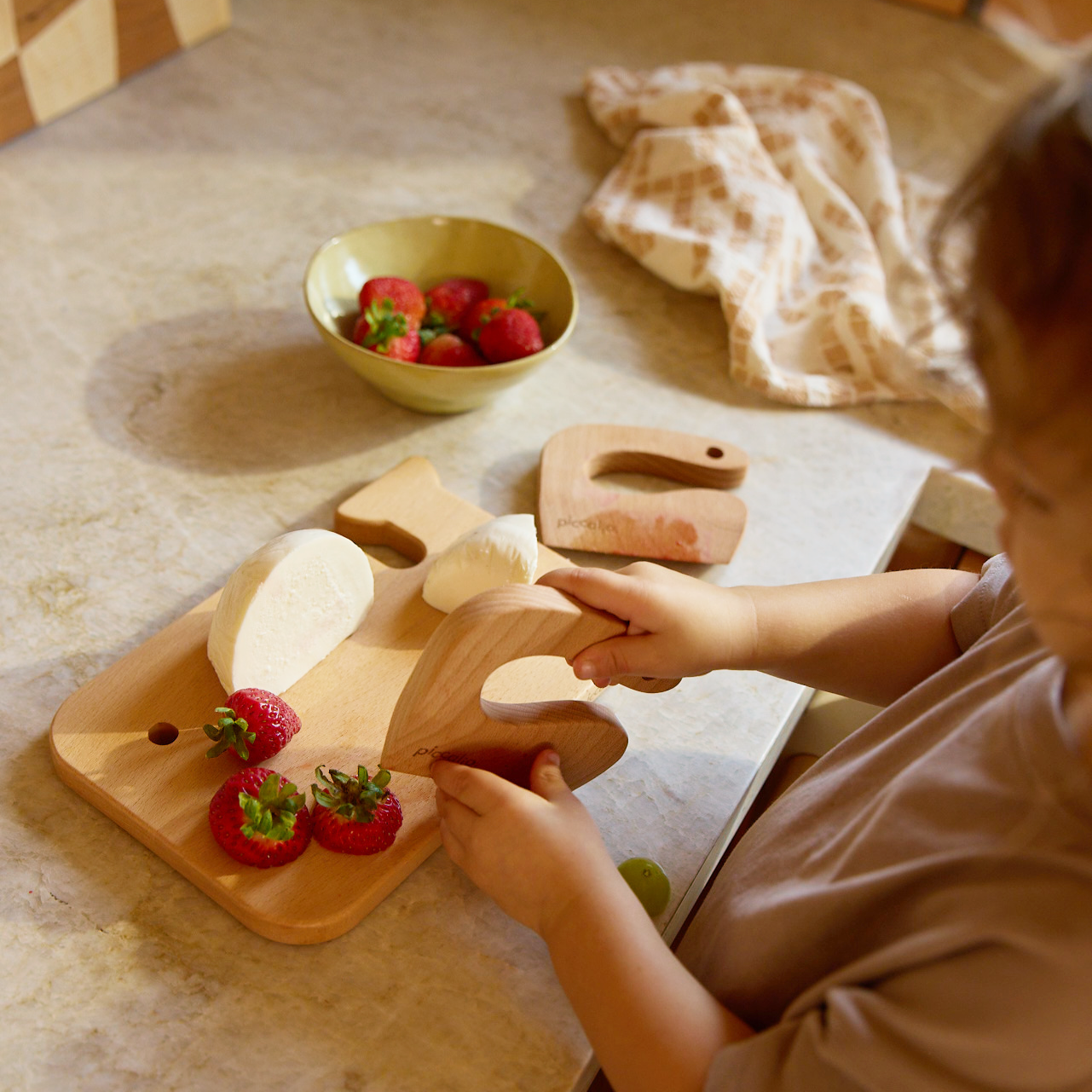
Open-ended living for independent learning.
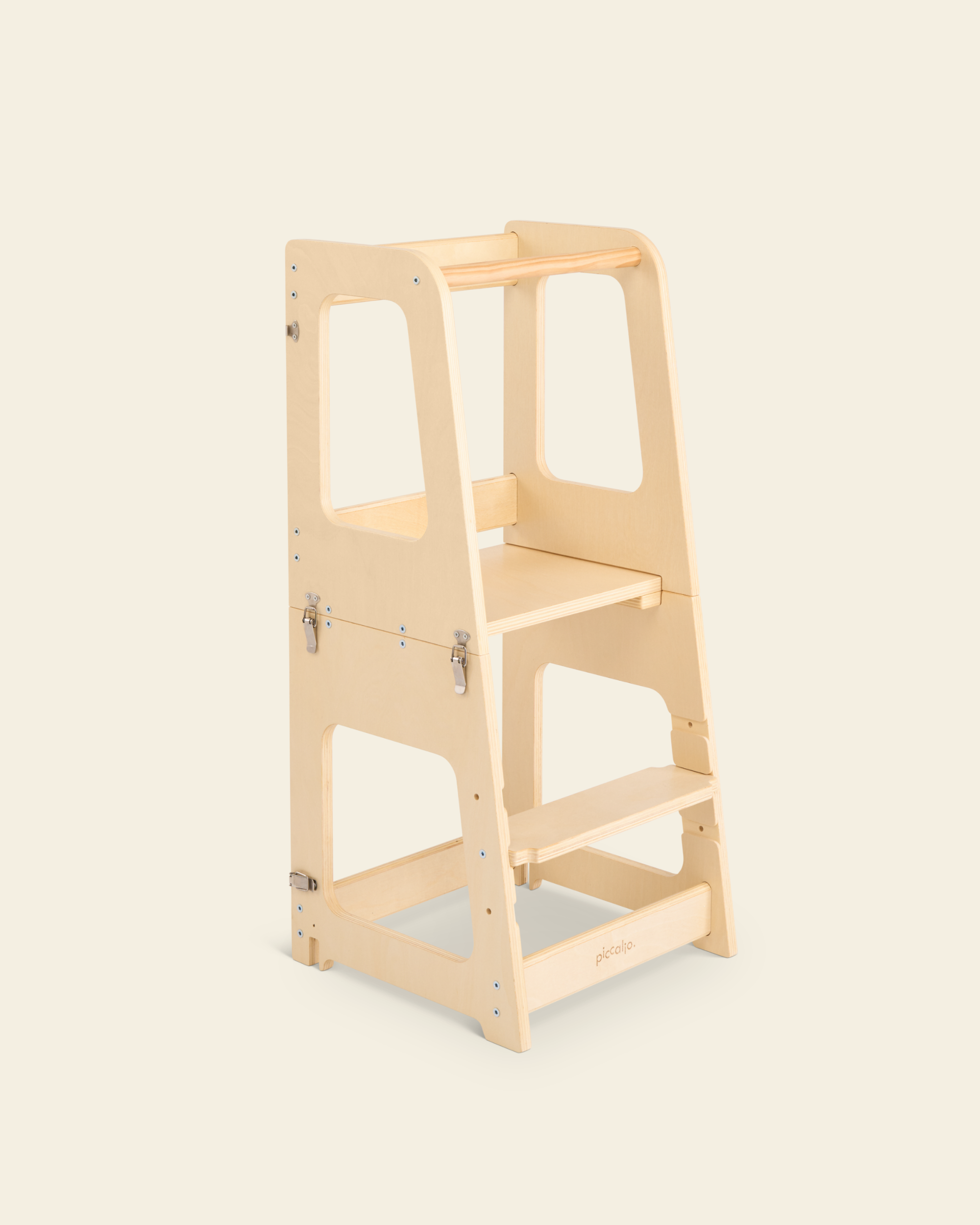
Cutting, stirring, mixing, kneading dough, slicing, pouring, spooning, washing dishes are all great activities your little one can enjoy with the help of a cutting board. Pairs best with our Mini Cutter and Foldable Helper Tower.


Frequently Asked Questions
Use a damp, clean cloth to wipe the surfaces. Slight maintenance may be required over time. Don’t leave or store your Piccalio products outside. They are protected by a lacquer coating but are made of wood and are therefore susceptible to damage caused by exposure to rain and wet conditions. We recommend keeping our wood products in dry, non-humid environments, and kept away from heat sources such as radiators, heat registers, stoves, or other appliances that produce heat.
No. We recommend hand-washing the cutting board using a damp cloth and mild soap. Our cutting boards are made of sustainably sourced European solid Beech wood, to take care of the natural material, do not leave it to soak in water, and it's best to wipe it dry immediately.
The kids’ cutting board is finished with food-grade tung oil, which creates a natural, non-toxic seal that’s safe for contact with food. Unlike plastic boards that can harbor bacteria in knife grooves or release microplastics, this finish repels moisture and helps protect the wood from stains and odors. It’s a durable, eco-friendly choice that protects your toddler’s safety as they use the cutting board.
Many children can begin practicing simple food preparation around 18 months to 2 years old, especially if they show interest in helping in the kitchen. With supervision, activities like slicing bananas, strawberries, or soft vegetables give children the opportunity to develop coordination while participating in real household routines safely.
Montessori kitchens are designed so children can safely participate in everyday tasks alongside adults. Child-sized cutting boards make it easier for children to manipulate them independently. In general, child-sized kitchen tools make food preparation accessible and developmentally appropriate, allowing children to build coordination, independence, and confidence through real-life activities.
When children first begin food preparation, soft foods are usually best. Many families start with bananas, strawberries, cucumbers, avocados, cheese, bread, or cooked vegetables, which are easy to slice and help children practice safe cutting motions.
Food preparation is considered a core practical life activity in Montessori education. Tasks like slicing fruit, mixing ingredients, and washing produce help children build fine motor skills, concentration, and independence while contributing to everyday family routines.
- Clarissa B.Verified BuyerReviewingCutting BoardI recommend this productRated 5 out of 5 stars21 seconds agoAdorable!
Super adorable and it’s a nice size. I got the bear to use with a plain kitchen instead of the plastic one it came with. I’m happy with it.
- Larissa B.Verified BuyerReviewingCutting BoardI recommend this productRated 4 out of 5 stars1 month agoFun cutting board!
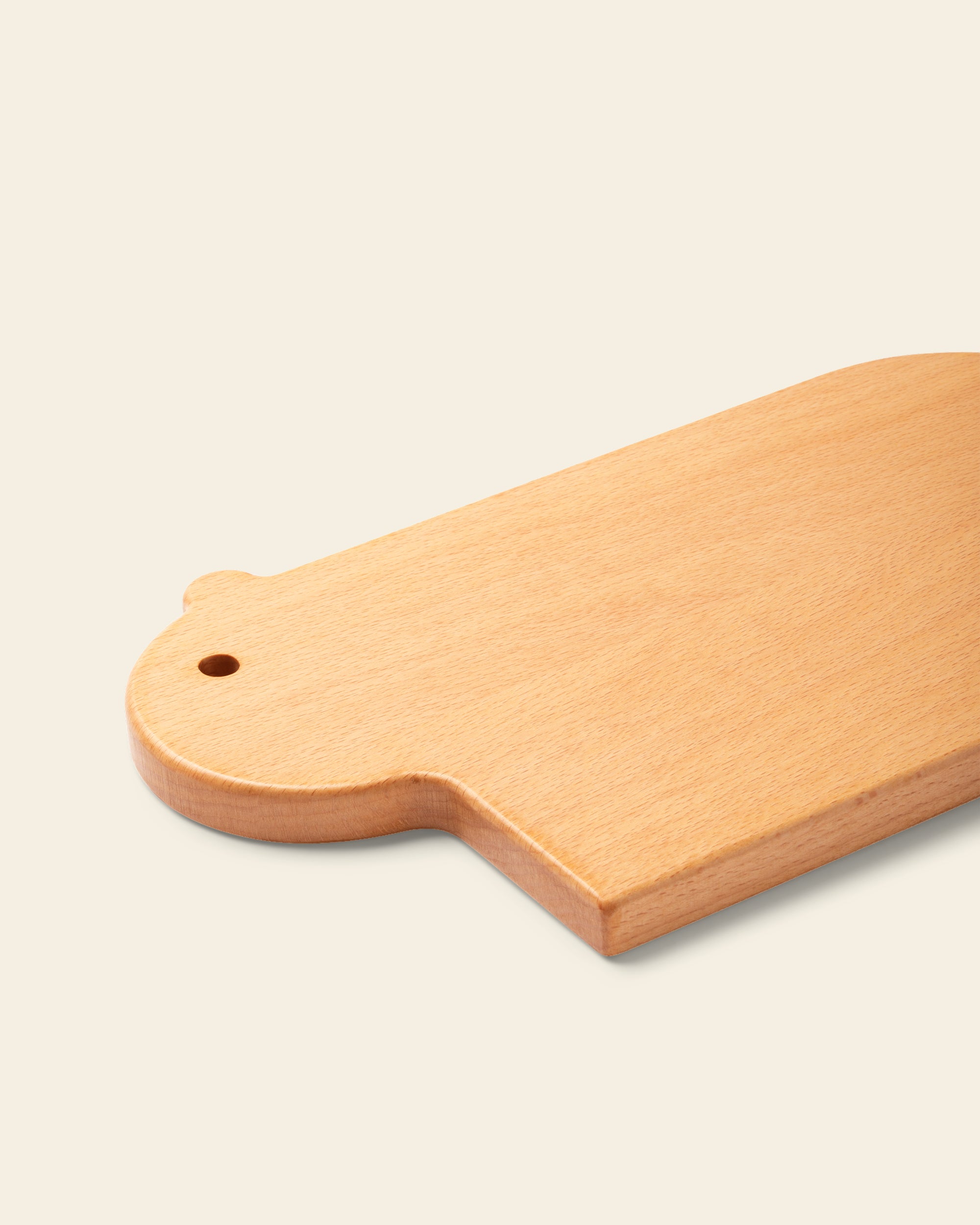
We have the whale, and our 14 month old enjoyed trying to cut his bananas on it, as well as eating from it. One downside is the eyehole and generalized shape, while it is such a fun shape, food will get stuck in the hole and where the tail is.
- Helen A.Verified BuyerReviewingCutting BoardI recommend this productRated 5 out of 5 stars1 month agoA big hit!
My little one adores his cutting board and mini cutter.
- Brooke D.Verified BuyerReviewingCutting BoardI recommend this productRated 5 out of 5 stars1 month agoCutie Cutting Board
Bought this cutting board for my 2 year old nephew. He uses it everyday! Very happy with this purchase.
- Michelle S.Verified BuyerReviewingCutting BoardI recommend this productRated 5 out of 5 stars3 months agoGreat quality!
Great quality!
- Rhonda T.Verified BuyerReviewingCutting BoardI recommend this productRated 5 out of 5 stars5 months agoBear cutting board
Grandson loves “cooking”; having his own cutting board promotes independence and builds skills safely
- Tobi L.Verified BuyerReviewingCutting BoardI recommend this productRated 5 out of 5 stars6 months agoLove this!
This has made it easier for my toddler to be part of making meals in our kitchen. The material is high quality and safe, easy to use with their chopper. Highly recommend!
- Christina B.Verified BuyerReviewingCutting BoardI recommend this productRated 5 out of 5 stars6 months ago5 stars!
Adorable and great quality. I had a hard time choosing which one to get, but I'm pleased with the bear.
- Sydney H.Verified BuyerReviewingCutting BoardI recommend this productRated 5 out of 5 stars7 months agoBirthday Gift
I gifted the cutting board and mini cutter for a two year old and the birthday girl was able to use the gifts in the kitchen and playroom!
- Sara M. L.Verified BuyerReviewingCutting BoardI recommend this productRated 5 out of 5 stars7 months agoBeautiful, adorable cutting board
So cute! The wood is smooth and feels high-quality. Would recommend.