



Our Products
Nature is our greatest inspiration, and we want to inspire people to live a more mindful and sustainable lifestyle.To us, this means buying less, buying better, and keeping things in use for longer. Designing durable, long-lasting products and using ethically sourced and certified materials are two ways we minimize our environmental impact as much as possible.
We don’t just say safe, we certify it
At Piccalio, safety is a top priority for all of our products. Our gold standard for safety means ensuring each of our products exceeds required and optional safety certifications offered by industry leaders.


"We founded Piccalio because we couldn’t find beautiful products that met a high standard of safety. For us, safety means both structural integrity and chemical safety. From the beginning, we’ve sought out third-party testing and leading organizations in the industry to ensure we exceed the highest standards.”
Co-founders, Ali Tavsanoglu and Aneta Kostic


Toddler Tower Safety at Piccalio
Currently, there are no required safety standards for Toddler Towers. That’s why we opt in to rigorous safety testing of essential performance areas such as stability, durability, child safety, non-toxic materials, and more. Learn more about our Toddler Tower safety certifications here.
Our Sustainability Certifications & Initiatives
Good for you, your kids, and the planet
Designed for form, function, longevity
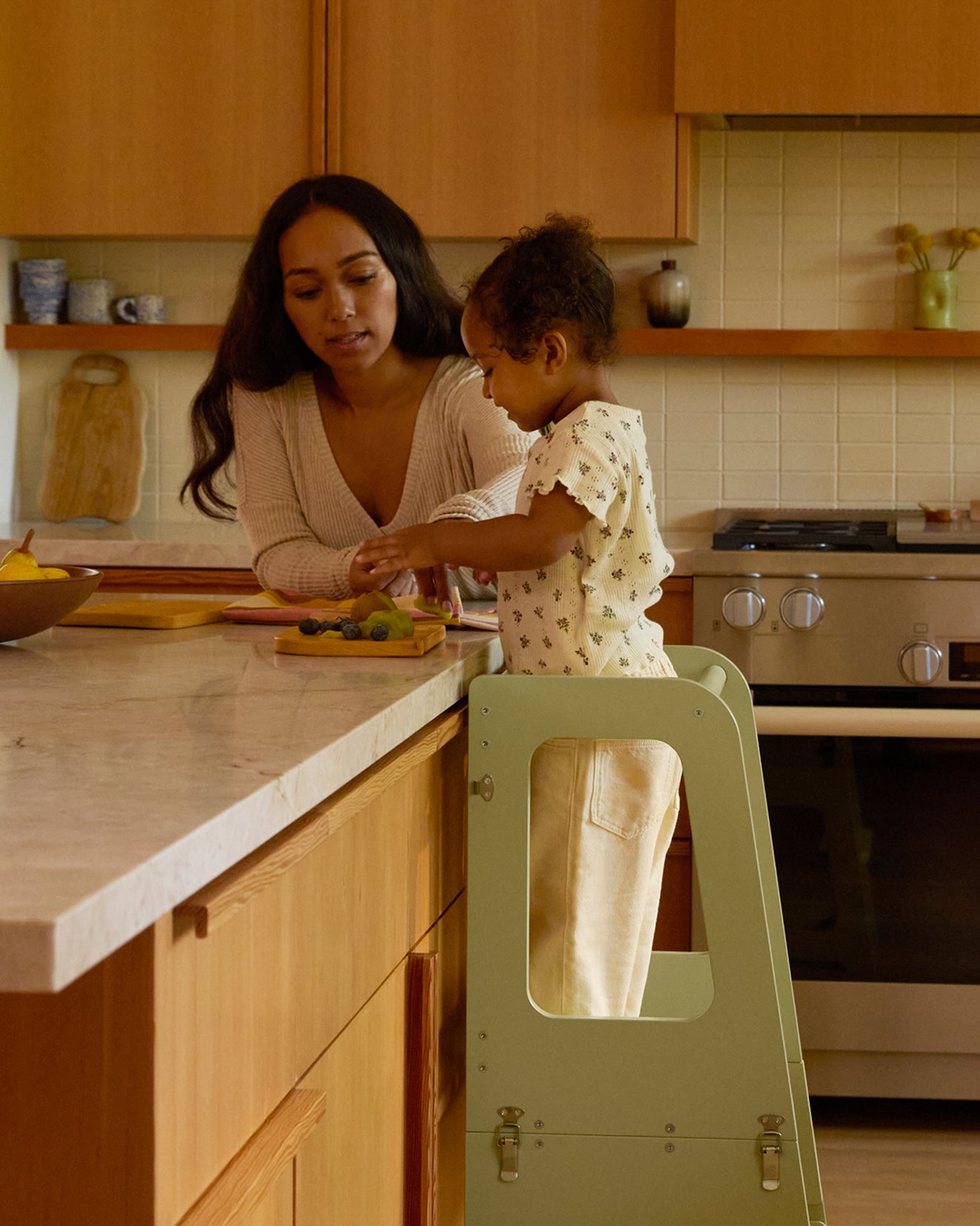
Before creating something new, we always ask, “Does the world need this?” We prioritize creating beautiful, heirloom-quality pieces that serve multiple purposes. Designed by a Montessori mom and AD Top 100 Designer.
Ethically sourced materials

We use wood certified by the Forest Stewardship Council (FSC©), a global organization that ensures lumber is sourced from responsibly managed forests.
GOTS, the Global Organic Textile Standard, is a leading certification that ensures both environmental and social criteria are met throughout the entire supply chain.
Investing in the future

We save, repair, and re-test every single returned item. Refurbished items are sold secondhand through Good Buy Gear. This means fewer materials go to waste and more children can enjoy our products.

A portion of our proceeds goes to One Tree Planted, an environmental non-profit tree-planting charity.

Production & Manufacturing
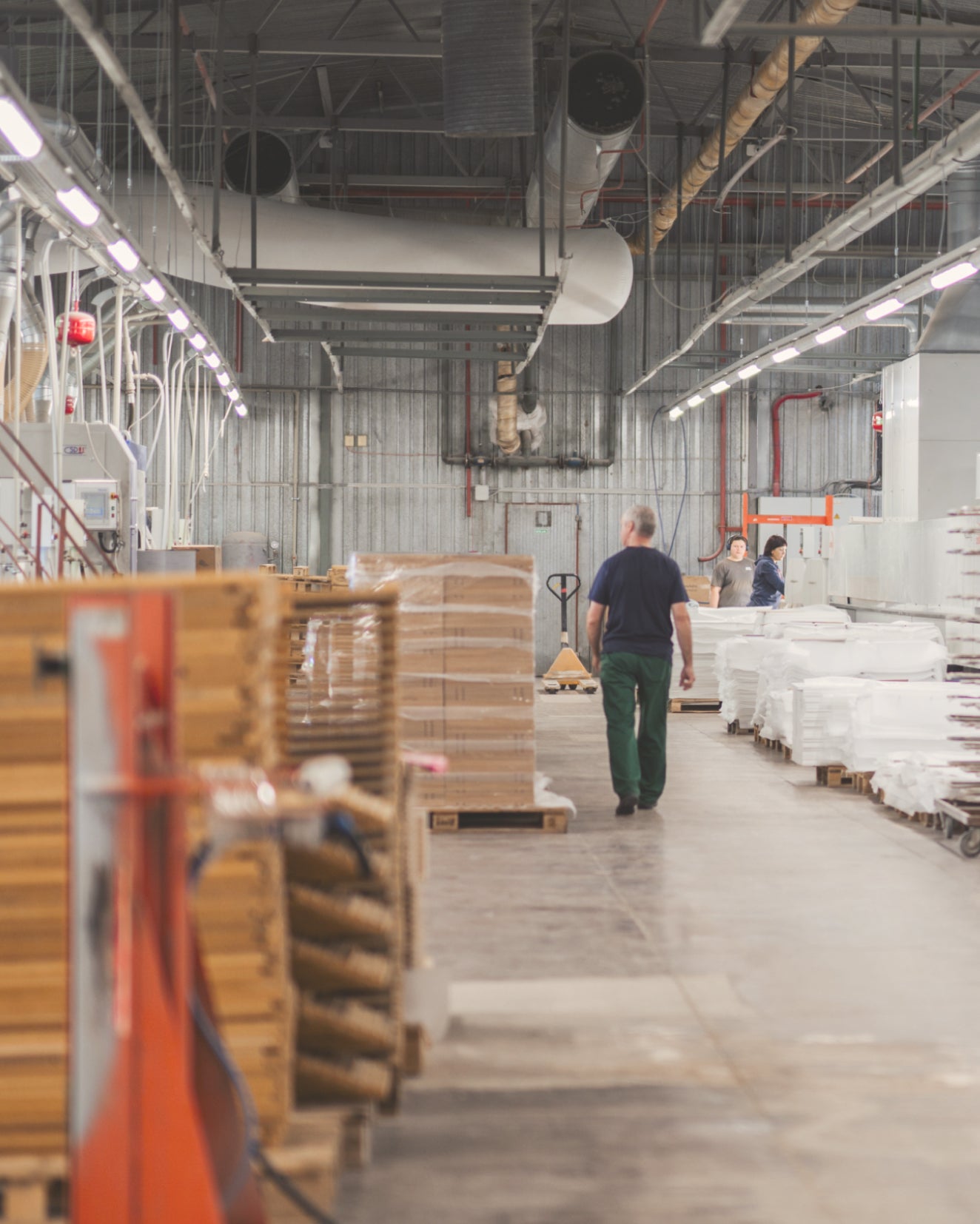
We produce in small batches, only producing to meet demand. As a result, we sometimes offer pre-orders, especially with brand new designs, to better inform our order quantities and avoid overproduction.
We collaborate with skilled and certified factories that adhere to high ethical standards, as verified by BSCI, SEDEX, and GS.
Shipping
We use sea shipments, which create less carbon emissions than other methods. Plus, we offset every domestic U.S. order through carbon removal companies vetted by scientists from Carbon Direct, such as Heirloom, Remora, and Charm.
Packaging
Our packaging is sourced from FSC©-certified cardboard materials. We use the least amount of plastic possible, and we removed all styrofoam from packaging in 2023. Our products are also flat-packed to take up less space when shipping, meaning they require some assembly at home.
Break down the cardboard boxes and place them curbside alongside other paper-based recyclables.
Our Materials
Beauty belongs in your home
We select materials intentionally. Nature is beautiful, and we strive to reflect this beauty in every design and with each material. We prioritize natural materials for every element used in our products, from the main structure to finishing touches.
Choosing quality materials translates to better stewardship of our planet’s resources. We don’t participate in planned obsolescence, a common practice designed to make products fall apart quickly so that you’ll have to buy them again.

Our Woods
Our wooden products feature high-quality varieties of natural wood, such as beech, birch, oak, and pine. We craft each piece with solid wood and/or plywood to ensure durability, longevity, and beauty—qualities not found in fast furniture pieces made with MDF or particle board.
All of our products are made using FSC©-certified wood. This environmental and social certification comes from the Forest Stewardship Council (FSC©), a global organization that certifies forests and lumber based on rigorous standards of responsible forest management.

Non-toxic Paints and Stains
Our wooden products are treated with innovative, water-based, non-toxic topcoats for both protection and easy cleanup. These finishes are low in volatile organic compounds (VOCs) to ensure they are safe for children, your indoor air, and the environment. They are free of harmful substances like lead, BPA, and phthalates. Our Mini Cutter and Cutting Boards are oiled using edible Linseed oil, which is FDA-approved for use with food.

Textiles
For products that use fabric, we prioritize organic textiles certified by the Global Organic Textile Standard (GOTS). Organic cotton has a lower environmental impact than conventionally produced cotton due to reduced water usage, lower greenhouse gas emissions, and restricted use of chemicals. Many families also find that organic cotton is gentler on the sensitive skin of babies and young children.
What it means to choose quality
In a world full of fast furniture, we feel a responsibility to make a positive impact on the industry. The USA created 12.1 million tons of furniture waste in 2018, with 99.5% of that ending up in landfills. To avoid contributing to this trend, we focus on crafting elegant, long-lasting pieces that can be passed down for generations. Our commitment to quality means we invest in premium materials, expert craftsmanship, and certifications that guarantee quality.
This speaks to one of Piccalio's core values: “Good for you, your kids, and the planet.” We strive to make sustainable choices at every stage of our business, from product design and manufacturing to the moment your Piccalio product reaches your doorstep. These decisions help create a brighter future for the next generation, but they come at a cost.
We know that when compared to the average fast furniture brand, our prices are on the higher side. However, we believe it’s worth every penny to uphold our values. Here’s what’s behind our products’ price tags.
How much it costs to make our products
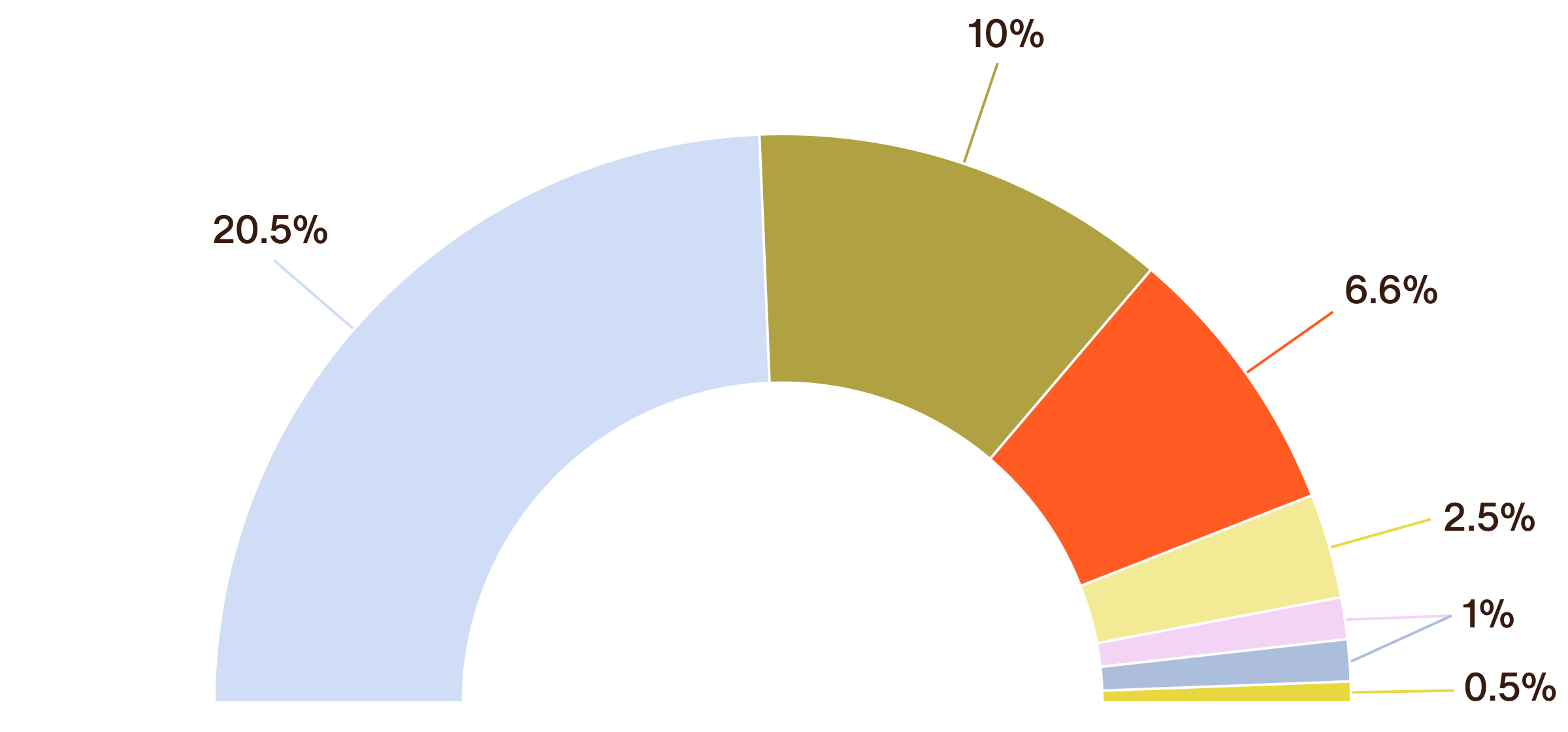
- Materials and manufacturing - 20.5%
- Domestic shipping - 10%
- Import costs - 6.6%
- Warehousing - 2.5%
- Product tooling - 1%
- Quality control and compliance - 1%
- Sustainable packaging - 0.5%
Our Manufacturing Partners
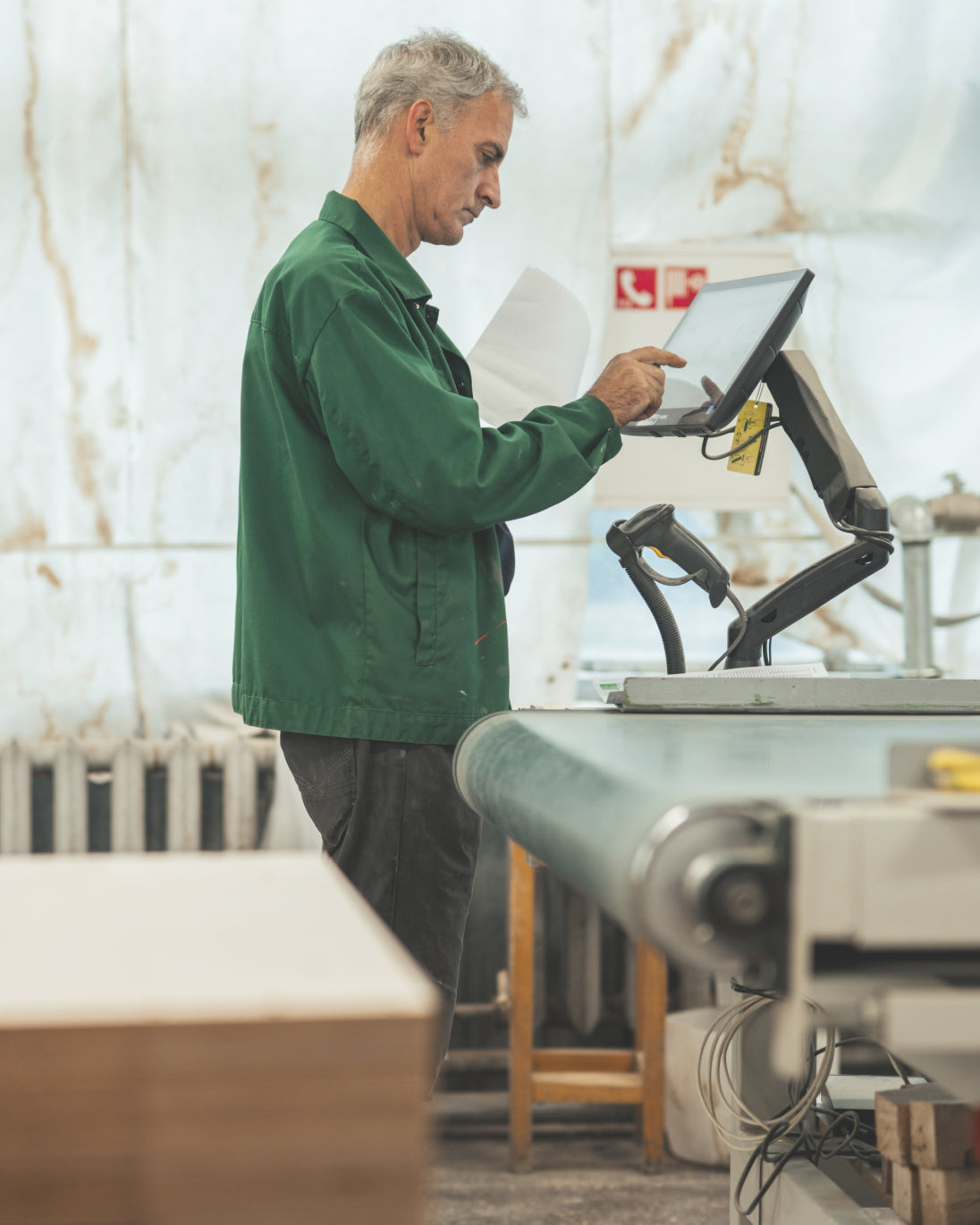
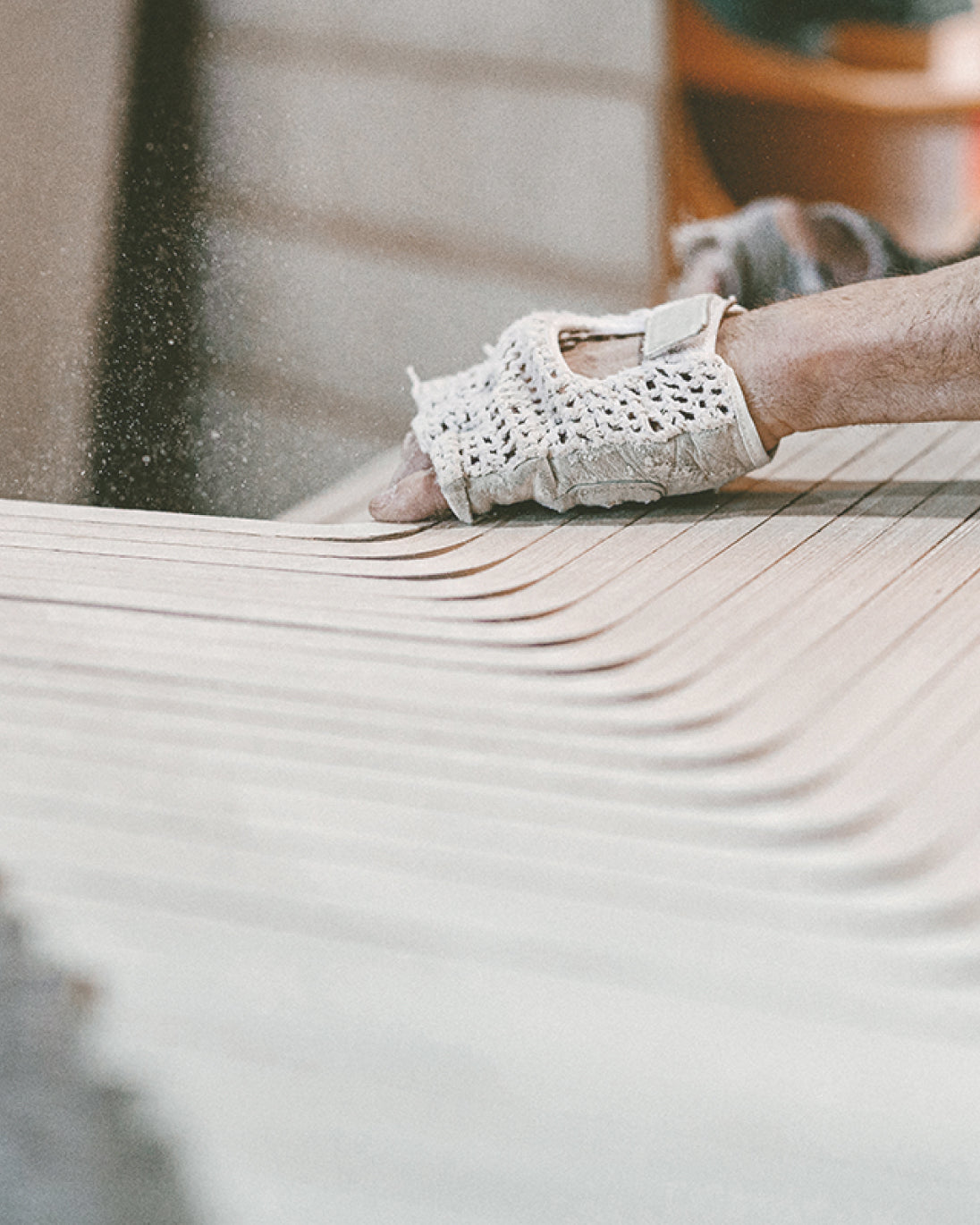
Choosing manufacturing partners is a complex process involving many factors. Not only do we prioritize working with experts in wood craftsmanship, but we also want to maintain high ethical and environmental standards. We collaborate with outstanding factories that hold rigorous certifications, such as BSCI, SEDEX, and GS.
"We visit factories personally and send out a third-party quality control team when that's not possible."
Says Ali Tavsanoglu, Piccalio co-founder. Personal interaction with each factory helps us build a close working relationship for successful long-term partnerships.