


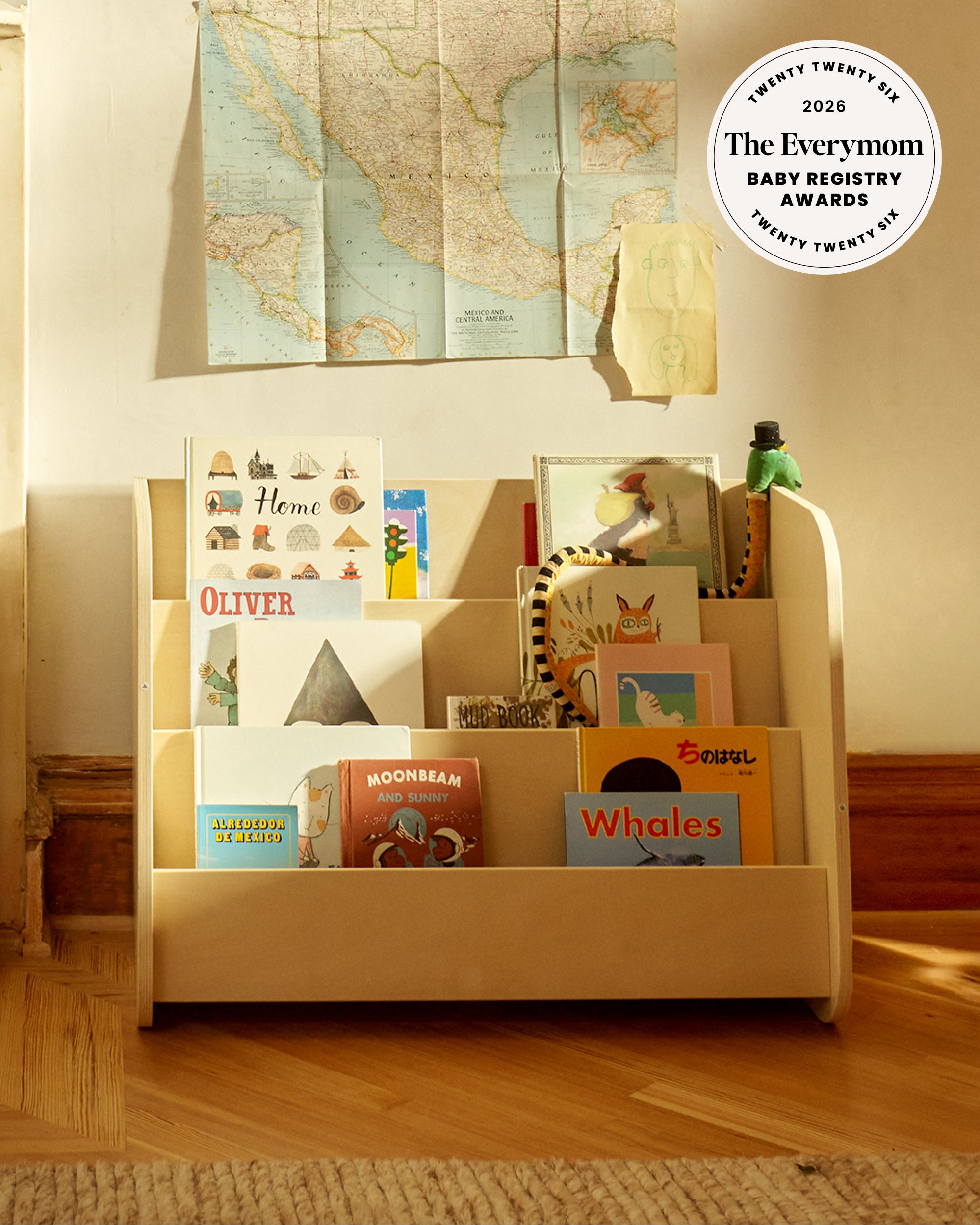
"Made to last for generations.”

The Everymom Registry Award Winner

“Simple and chic."

Why Choose Piccalio Kids Storage
At Piccalio, we believe beauty belongs in your home. We design and sustainably craft long-lasting kids’ furniture that looks elegant in your space—while also prioritizing safety.
Greenguard Gold certified
FSC© certified birch wood
Safety certified
Montessori inspired design
Easier toy organization and clean-up
Multi-functional Toddler Towers

Storage FAQs
Montessori toy storage designed for real homes
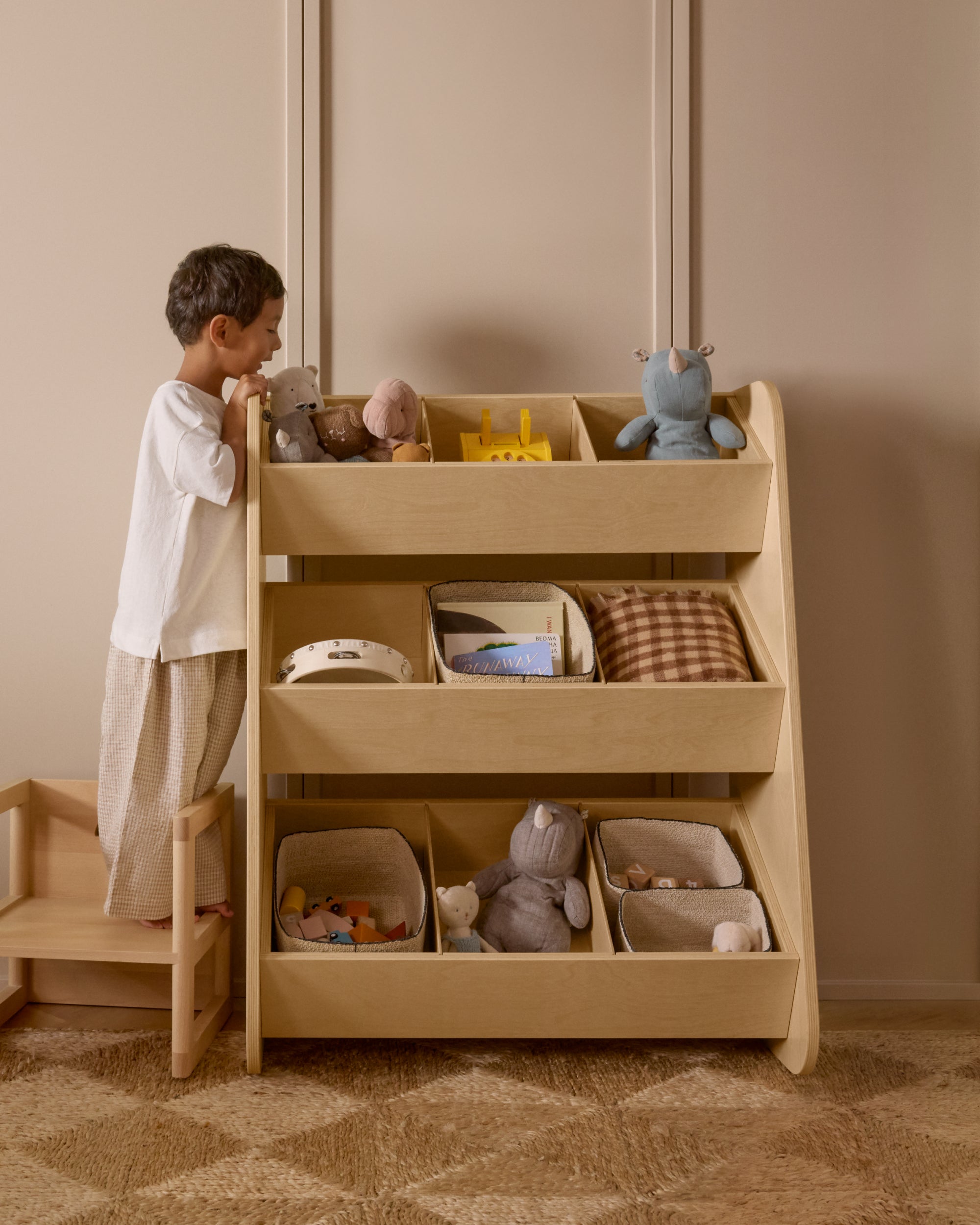
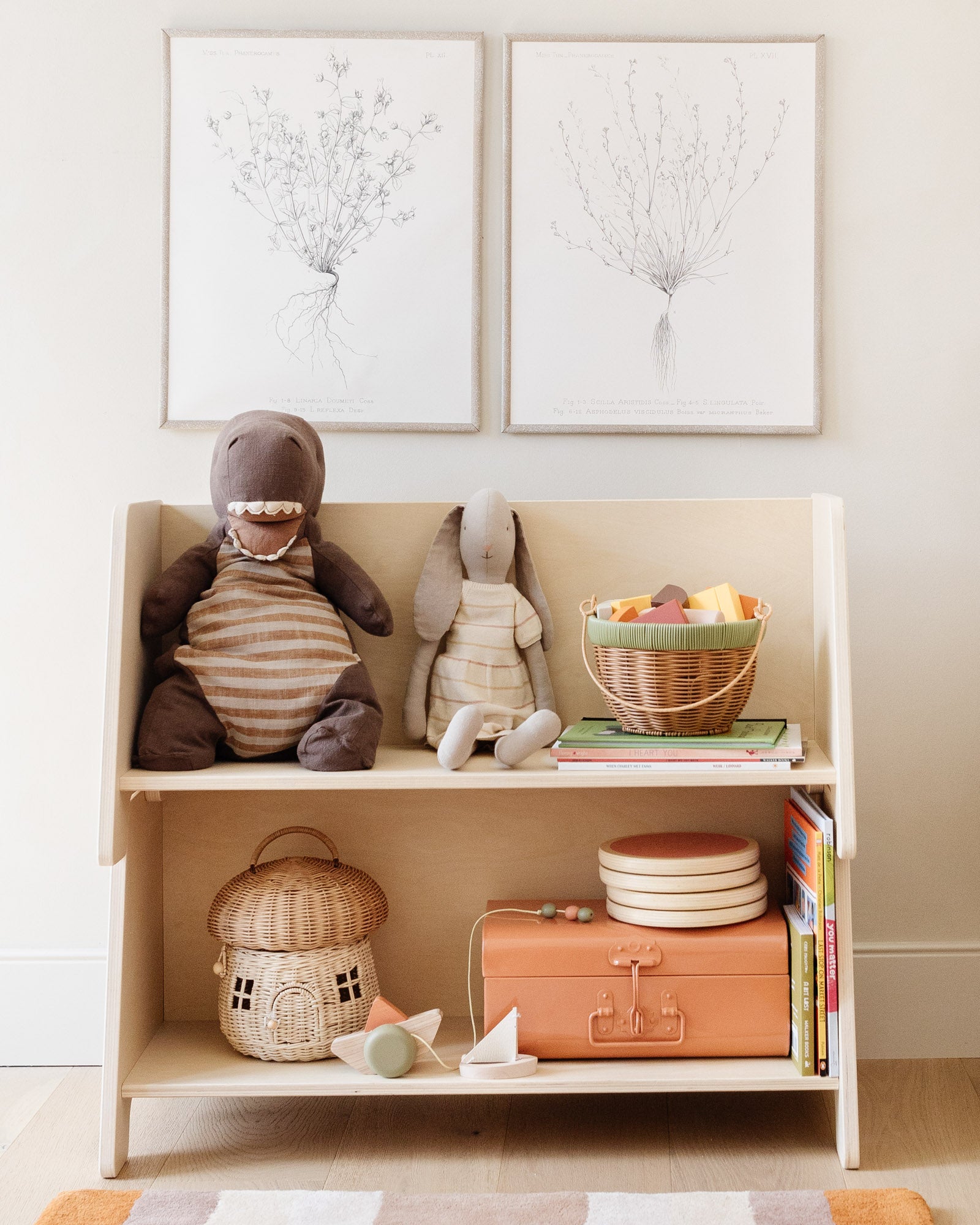
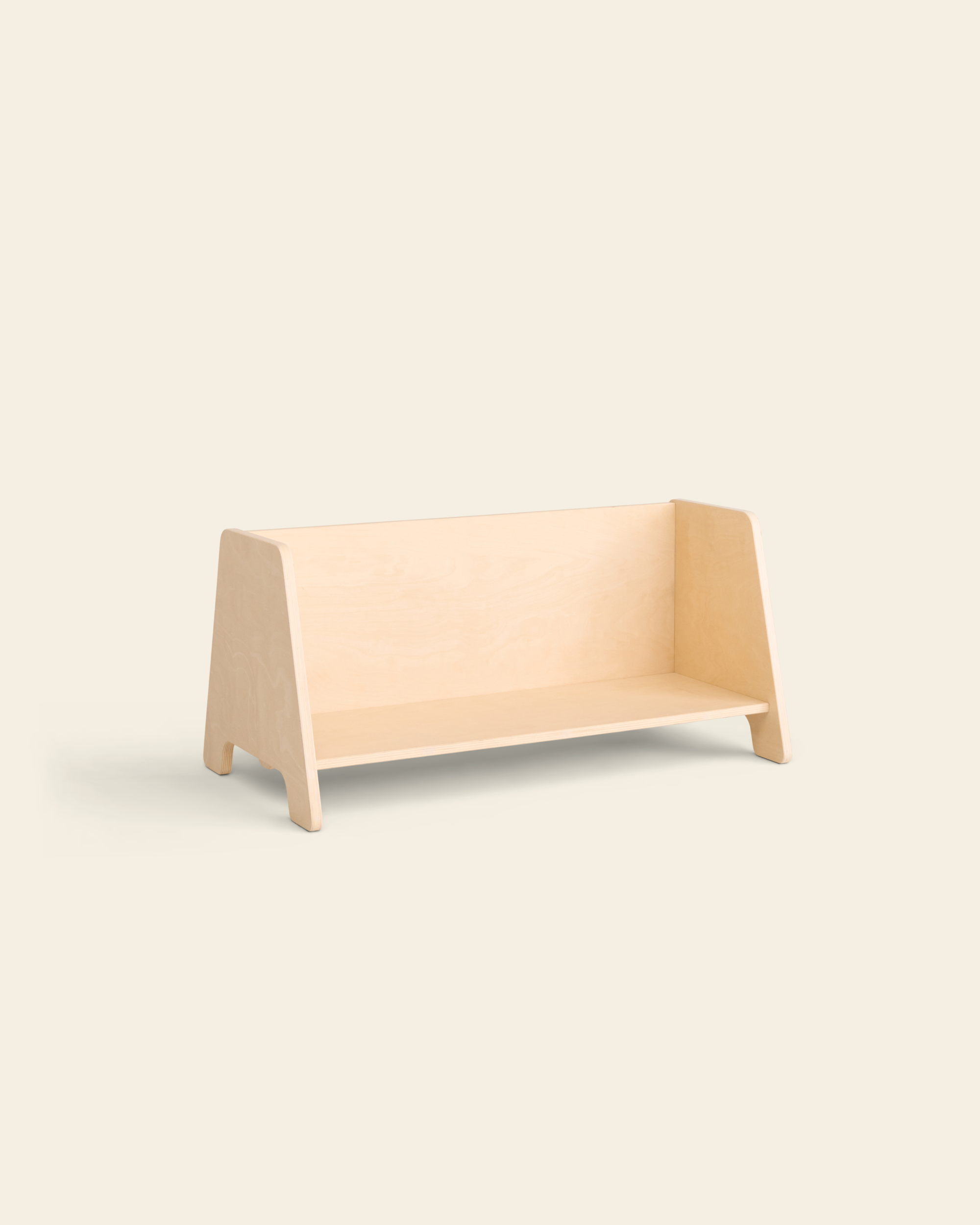
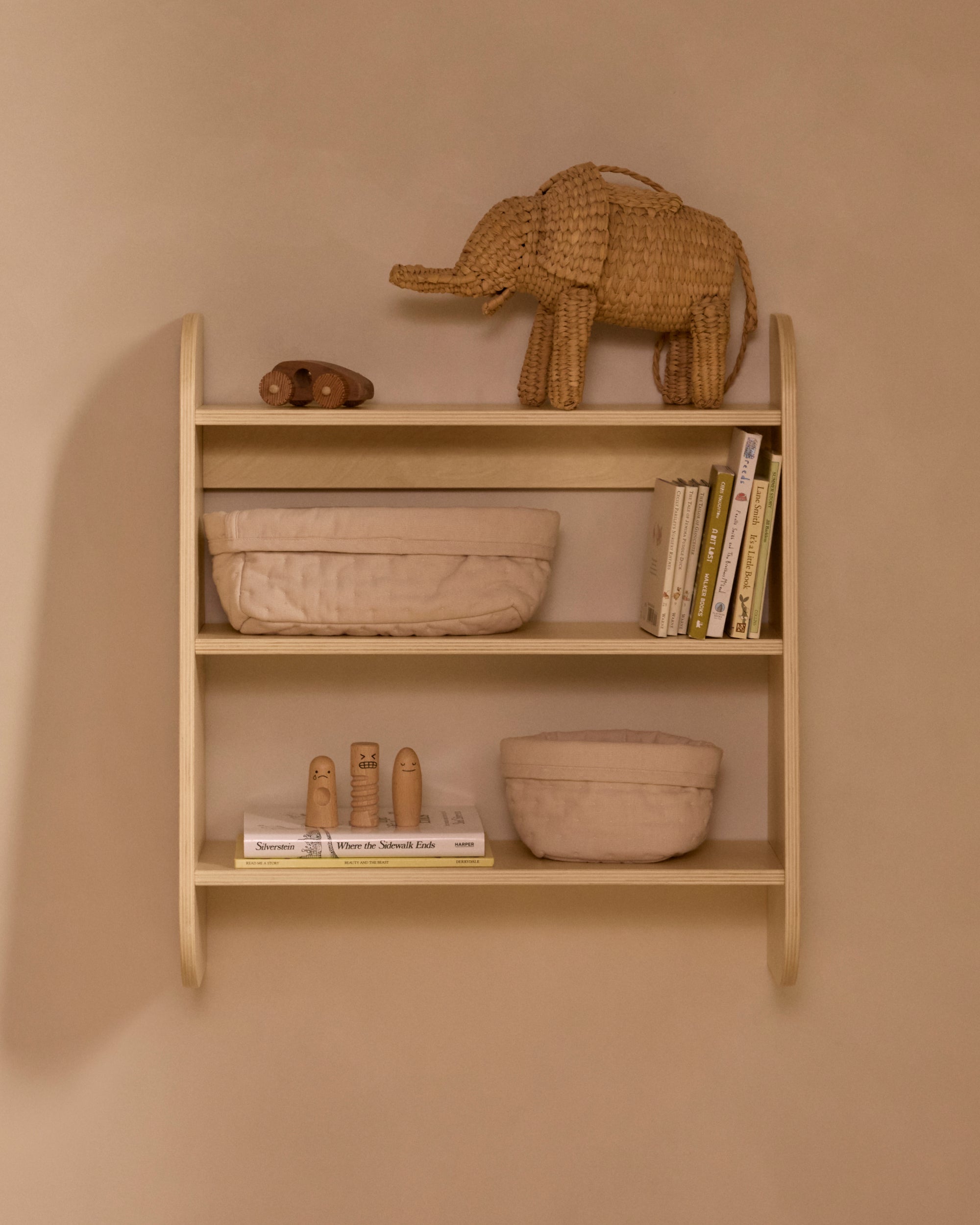
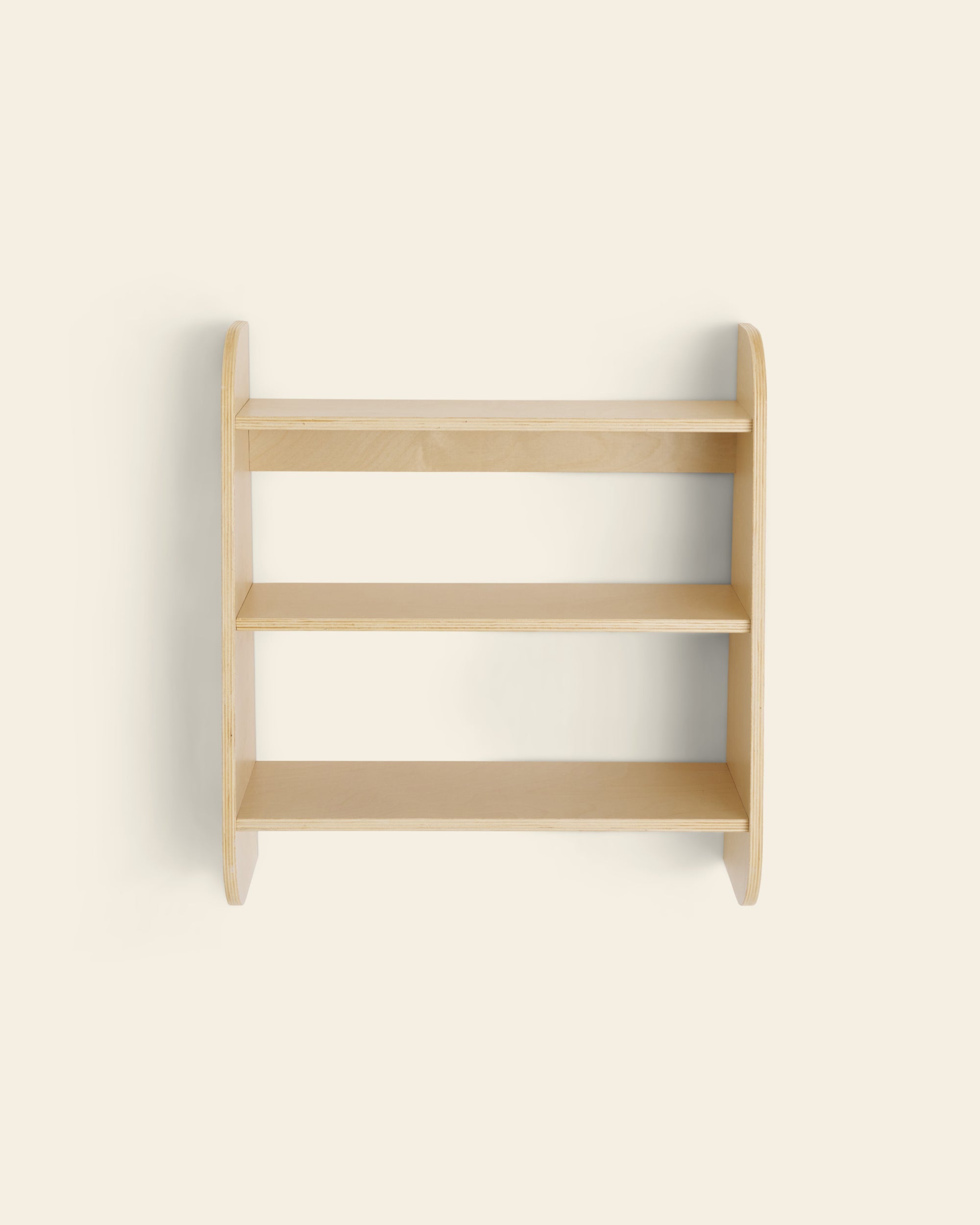
We design our kids’ storage furniture to function as complete toy organization furniture—not oversized bins or brightly colored plastic that disrupt shared spaces. With clean lines, neutral finishes, and solid wood construction, our kids’ storage pieces integrate naturally into living rooms, playrooms, and open-concept homes.
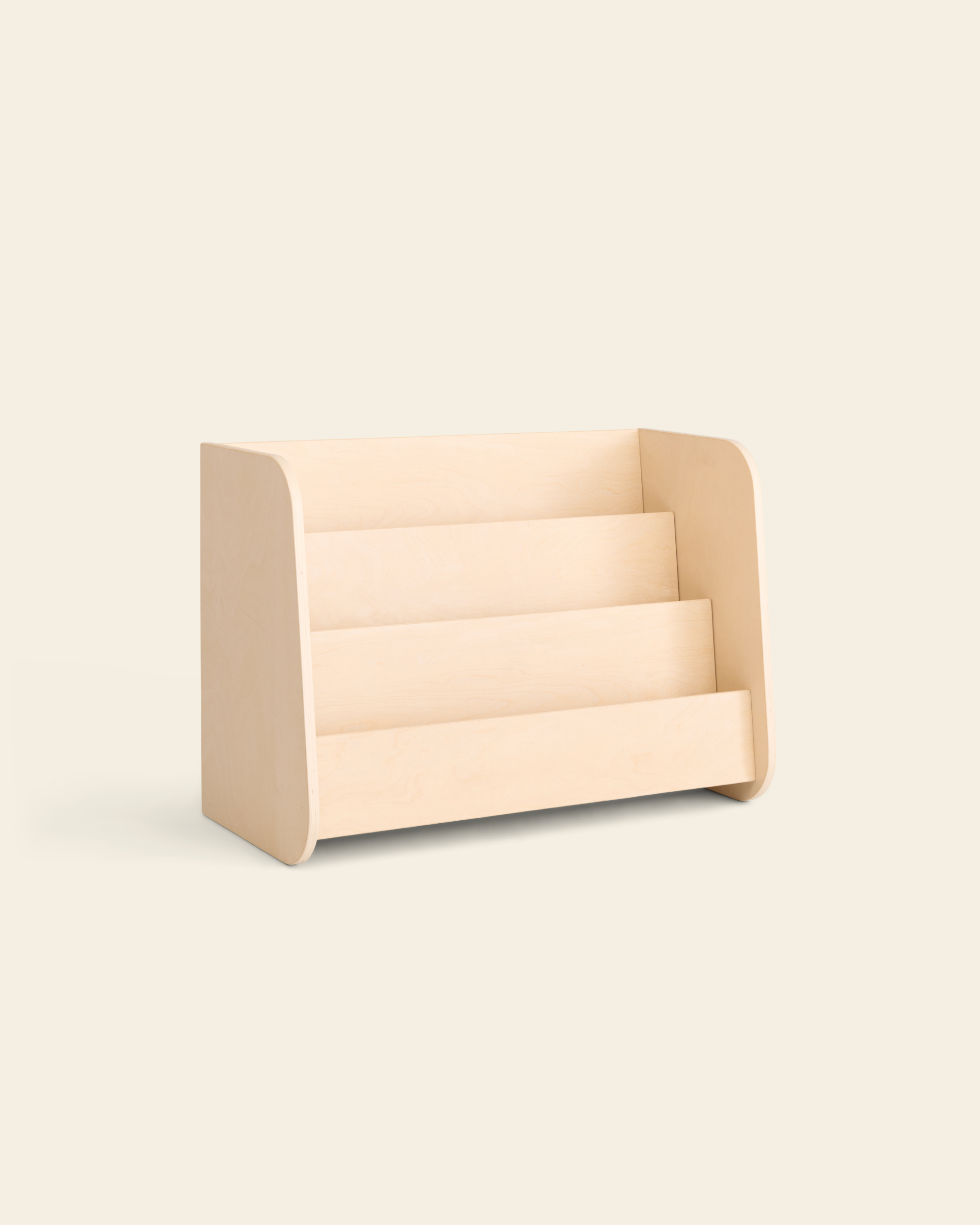
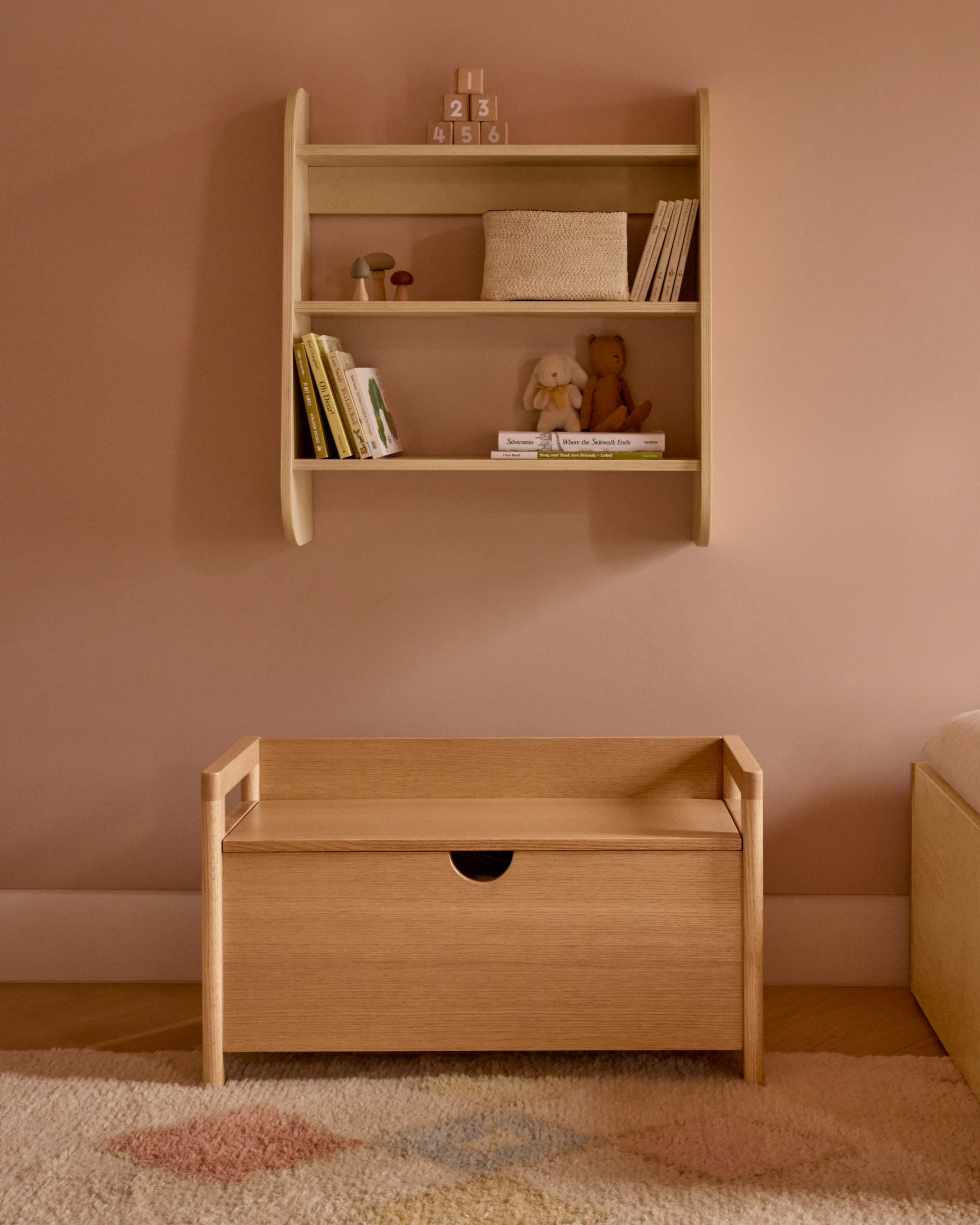
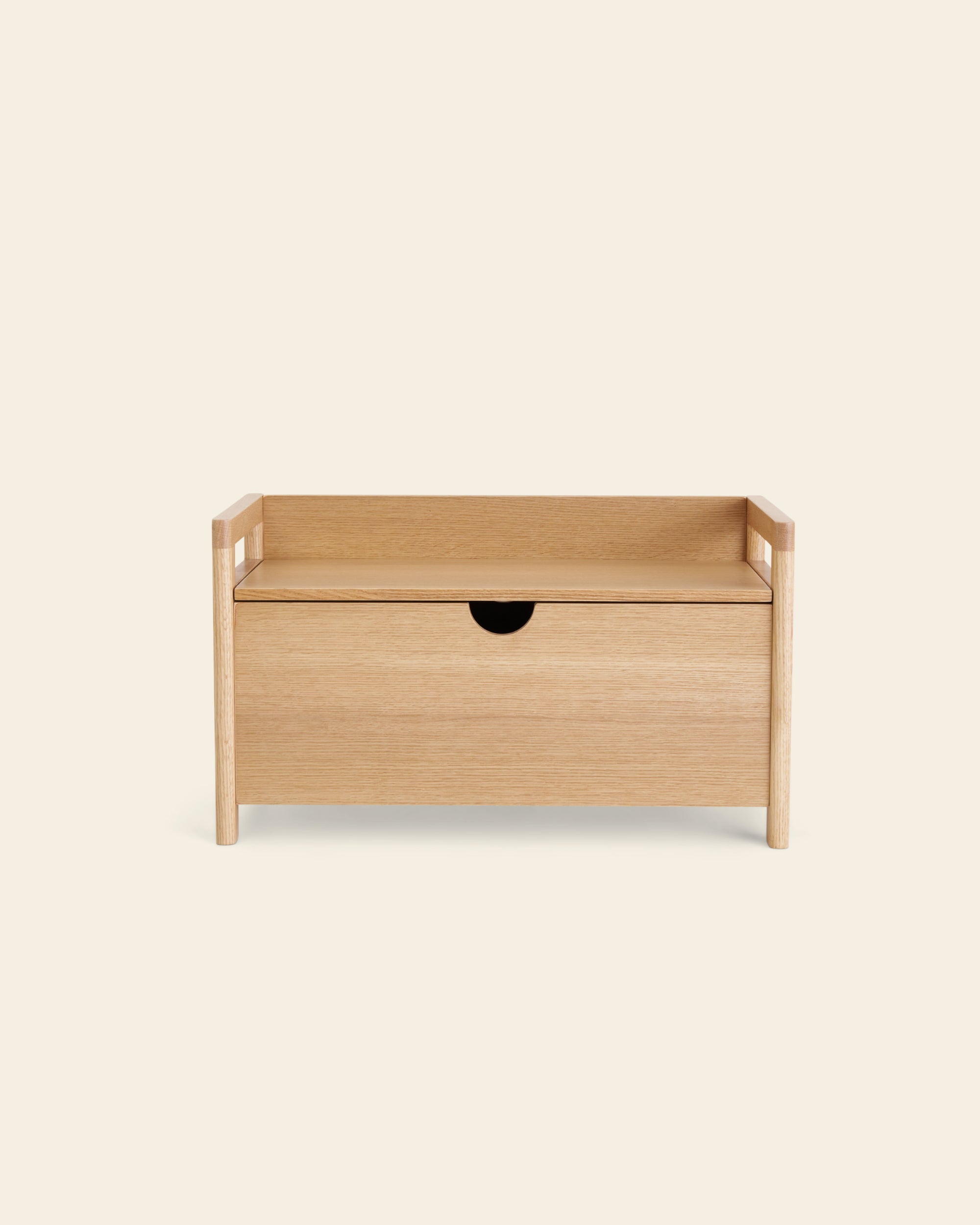
From a structured kids’ storage organizer to a thoughtfully crafted kids’ toy box, each piece supports organization without sacrificing aesthetic integrity.
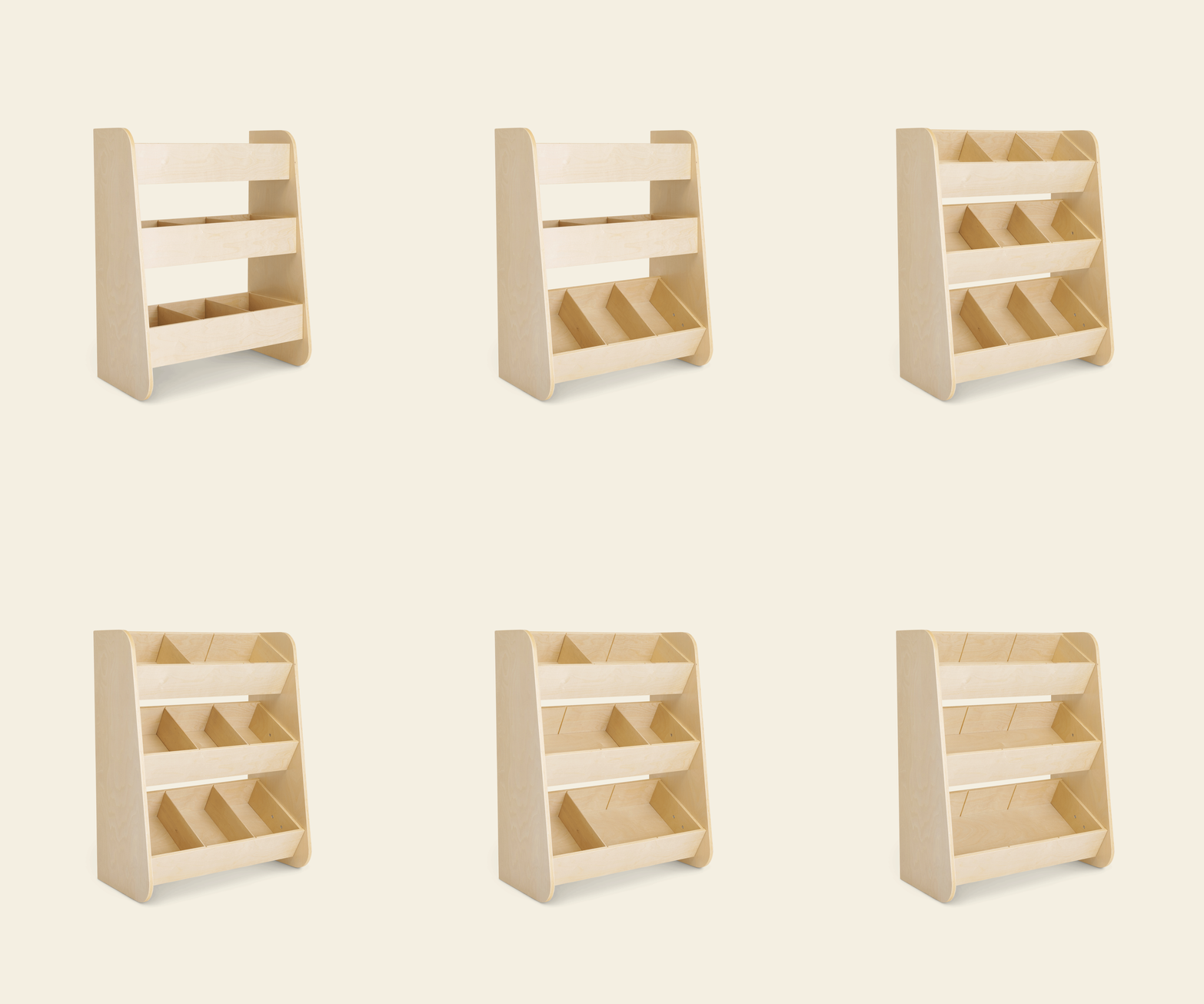
Rather than hiding toys away completely, we prioritize structured kids’ storage that keeps materials accessible while maintaining visual calm. Defined compartments, contained toy boxes, and open organizational systems help families reduce clutter while encouraging independence.
Families who prioritize a cohesive Montessori-inspired home often build intentionally across rooms. Organized kids’ storage in the play area complements movement and creativity found in our Playroom collection, supports practical life routines that begin in the Kitchen collection, and layers seamlessly with display and shelving pieces from our Bookcases & Storage collection. Together, these spaces create continuity across daily rhythms rather than isolated furniture moments.
Supporting Montessori independence through organization
In Montessori environments, order supports independence. Well-designed kids’ storage furniture creates defined systems that children understand and can maintain independently.
Our kids’ storage is designed at child height to support:
- Independent selection
- Focused engagement
- Self-guided cleanup
- Predictable daily rhythms
A structured kids’ storage organizer defines clear categories for puzzles, blocks, art materials, and small toys. A durable kids’ toy box provides contained storage for bulkier items while maintaining a calm visual footprint.
Instead of overcrowded shelves, Montessori toy storage emphasizes intentional organization—displaying fewer items at a time and rotating materials as needed. This approach supports focus, ownership, and smoother daily transitions.
Non-toxic materials and safety-first construction
Kids’ storage furniture should be safe at every touchpoint. That’s why we use FSC®-certified wood and GREENGUARD Gold–certified materials tested for low emissions and indoor air quality.
Our kids’ storage organizers and kids’ toy boxes meet relevant ASTM and U.S. CPSC standards and comply with California Prop 65. Third-party testing confirms structural stability and finish safety, ensuring our toy organization furniture withstands daily handling and evolving routines.
We prioritize smooth edges, durable craftsmanship, and finishes designed to withstand daily handling without chipping or degrading over time.
Heirloom-quality furniture made to last
Children grow quickly, but kids’ storage furniture shouldn’t need constant replacing. We build our kids’ storage organizers and kids’ toy boxes to transition across stages—from toddler play to early elementary organization and beyond.
Because we focus on solid construction and timeless design, many families reuse our Montessori toy storage solutions across siblings or incorporate them into evolving room layouts over time.
This long-term mindset reflects our broader philosophy: fewer, better pieces that support real daily life.
Creating a calm, organized Montessori space
A well-designed kids’ storage system does more than hold toys—it sets the tone for the entire room. Clear zones for play, reading, rest, and movement help children understand expectations and build consistent habits.
When kids’ storage furniture is thoughtfully integrated into the home, children learn:
- Where materials belong
- How to reset their space
- How to manage transitions
- How to care for shared environments
That foundation extends far beyond play—it supports independence in every room.