

Your Guide to How to Get a Toddler to Sleep in Own Bed
Getting your toddler to go to bed and stay in bed can be a challenge. Bedtime battles are common in toddlers—right alongside tantrums and meltdowns. As a mom of three, I've experienced a variety of toddler sleep concerns, from bedtime anxiety to hyperactivity and running around to tantrums. In addition to my own experience, I spoke with sleep researcher Dr. Natalie Barnett about best practices for getting a toddler to sleep.
See the complete interview with Dr. Barnett on "How to Get 2-Year-Olds to Sleep" here.
Toddler Sleep Training: Routines that Work
If you struggle to get your toddler to sleep, the best place to start is with a consistent bedtime routine. Dr. Barnett explained, "The scientific evidence is very clear that babies, toddlers, and children who have a consistent bedtime routine sleep better and sleep longer than children who don’t."
Dr. Barnett emphasized that your sleep routine should be short, simple, and something you enjoy. Also, she stressed that it should be simple enough that anyone can do it. That way, a babysitter, grandparent, or any other caregiver can easily step in.
You can create a unique routine for your child. Some options to consider include:
- A bath
- Read a book (reading before bed can reduce stress and improve sleep quality!)
- Listen to quiet music
- Listen to a meditation together
- Try a massage or roll up your child like a burrito
Pick just one or two activities along with brushing teeth and changing into pajamas.
Another important element of the routine is keeping the timing consistent. In general, you want your child to go to sleep and get up around the same time every day. Keeping a regular sleep schedule can support your child's inner body clock, making it easier to fall asleep easily.
That said, Dr. Barnett warns parents that toddler sleep needs evolve. "As they develop, they’re capable of staying awake for longer periods without being tired. We want to keep an eye on wake windows to optimize timing so they’re not napping too late or too long," she explained.
Troubleshooting: Why Isn't Your Toddler Sleeping in Their Own Bed?
If your toddler is experiencing night wakings, wanting to sleep in your bed, separation anxiety, or resisting bedtime, there are a few considerations.
Adjust Naptime and/or Bedtime
"If you’re seeing bedtime resistance, the first thing I would look at is the timing," Dr. Barnett says. As your toddler grows, they need less sleep. As a general rule, your child should be asleep within about 30 minutes after putting them down, Dr. Barnett says.
Consider cutting their nap time shorter or making bedtime slightly later. For example, if your child usually has a daytime sleep from 1 pm to 3 pm, try waking them up at 2 pm. Or, shift bedtime from 7 pm to 8 pm.
Address Your Toddler's Need for Attention
"The second thing is that toddlers are often looking for attention. They don’t care whether it’s negative or positive attention," Dr Barnett asserted. "If they’re protesting, acting up, or behaving in ways you don’t deem appropriate at bedtime, and you give them a lot of attention for that behavior, they’re going to continue it."
The solution? Dr. Barnett recommends giving your toddler your undivided attention for about 10 minutes in the evening. You can try going for a walk, coloring together, or even playing a short game. This short time of special attention can help reduce bedtime struggles.
Consistent Return to Bed
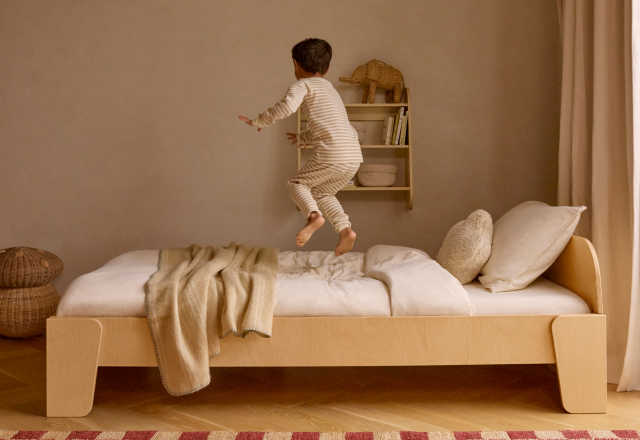
Toddlers may leave their room and jump into bed with you. How can you get your little one to stay in bed? Sleeping through the night is a skill children need to learn.
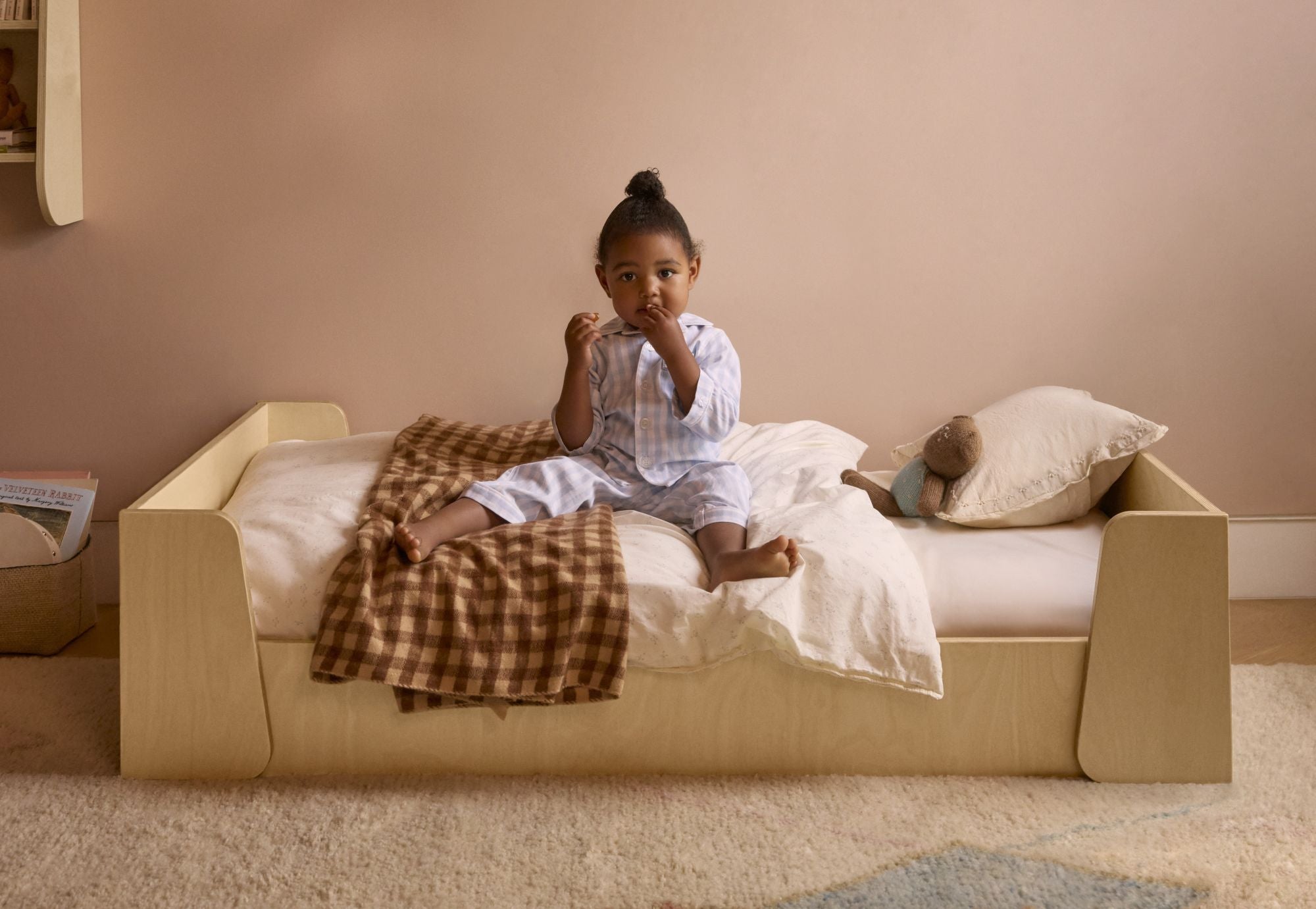
If your child has recently transitioned to a toddler bed, keeping your child in their room can pose a challenge. In my experience, other changes like potty training or new childcare arrangements can also interfere with a child's sleep.
Dr. Barnett says the best approach is to maintain consistency. "If they climb out of bed, we silently walk them back," she suggests. She also recommends giving as little attention as possible. You want to send the message that "Daytime is for playing, fun, and cuddles, and nighttime is for sleeping," Dr. Barnett explained.
Evaluate the Sleep Environment
The ideal sleep environment should be dark, cool, and comfortable. If your child is anxious about sleep, you can add a soft nightlight. In my experience, soft, relaxing music can also help toddlers feel better about going to sleep alone.

Toddler Sleep Regressions: What Are They?
You may have heard parents or sleep experts talk about sleep regressions. This means your child may be sleeping through the night and suddenly backslide on this skill. They'll start waking up, coming to get you, and resisting sleep.
This is normal—even as adults, we may experience struggles with sleeping from time to time. Usually, toddler sleep regressions are associated with travel, illness, or meeting a new milestone, like walking. "Typically, a disruption around a milestone should only last a couple of days," Dr. Barnett says. "If it lasts longer, talk to your pediatrician or healthcare provider."
Managing Toddler Sleep Regressions
The best way to manage a sleep regression is to continue with your regular sleep routines. Check to make sure your child doesn't have a fever or illness. If there's no illness, give your child the chance to fall back asleep independently.
"When you’re traveling, do the best you can to recreate your home environment. Stick to your bedtime routine, and offer sleep at roughly the right times," Dr. Barnett recommends.
Consistent Messages and Responses During Sleep Training and Sleep Regressions
If you get into habits like holding your child until they fall asleep, lying down with them, or co-sleeping, there's hope. Dr. Barnett says parents simply need to commit to returning to (or starting) independent routines. Because toddlers are more aware than babies, Dr. Barnett recommends preparing your child during the day.
One option is to role-play with stuffed animals, she explained. This role-playing should happen during the day, before you change your nightly routine.
"You might say, for example, there’s a parent teddy and a parent teddy, and the big kid teddy. The parent teddies fall asleep by themselves in their beds and stay in their beds all night long. The big kid teddy falls asleep by himself in his bed and stays in his bed all night long," Dr. Barnett says.
Then, take some time to explain to your child that they're going to be the big kid teddy. Say to your child, "You’re going to fall asleep by yourself in your bed, and when you wake up in the middle of the night, you’re going to get yourself back to sleep. Then in the morning we’ll come in, and we’ll go to the playground or do something fun together," Dr. Barnett suggests.
Acting out this role play several times can help your child prepare to sleep independently. Then, respond to your child in a consistent manner every time they wake up. The best approach? Silently return them to bed without entertaining their protests. You can simply say, "It's time to sleep," and tuck them in again.
Transitioning from Co-Sleeping to Independent Sleep for Toddlers
The same role play from above also works for families that co-sleep with their toddlers and want to move to independent sleep. Some additional steps you can consider are:
- Putting your child's bed next to your bed for a few days or a week before moving your child's bed to their own room.
- Lying down with your child in their room for a few days or weeks as they get used to sleeping alone.
- Allowing your child to pick out their own bedding or pillow.
- Have your child pick out one or two stuffed animals to sleep with.
How to Get Your Toddler to Sleep
Even if you follow all the expert advice, getting your toddler to sleep won't always be easy. However, by using a consistent approach, you can minimize difficulties along the way. Do you have any go-to strategies that help your toddler sleep? Tell us about them in the comments below.
About Dr. Natalie Barnett

As the VP of Clinical Research at Nanit, Dr. Natalie Barnett oversees research on pediatric sleep and parental health and well-being. She holds a Ph.D. in Genetics from the University of New England in Australia and a Postgraduate Certificate in Pediatric Sleep Science from the University of Western Australia. Dr. Barnett was an Assistant Professor in the Neurogenetics Unit at NYU School of Medicine before joining Nanit.











Leave a comment