

Expert Tips on How to Use a Montessori Bookshelf
As a former Montessori teacher, I love seeing Montessori ideas go viral. Recently, Montessori bookshelves have entered the mainstream. Beautiful and practical, Montessori bookshelves offer a child-friendly book display that naturally fosters a love of reading.
What is a Montessori bookshelf exactly? How is it different from a traditional bookshelf? And how do you use one? Read on to learn more.
What is a Montessori Bookshelf?
A Montessori bookshelf is a simple, beautiful shelf designed to foster independence in young children. While Dr. Montessori herself never specifically created a bookshelf, she was one of the first educators to use child-sized furniture. According to Dr. Montessori, shelves should:
- Be made of beautiful natural materials, like wood
- Be child-sized for easy access to materials or materials
- Support independence
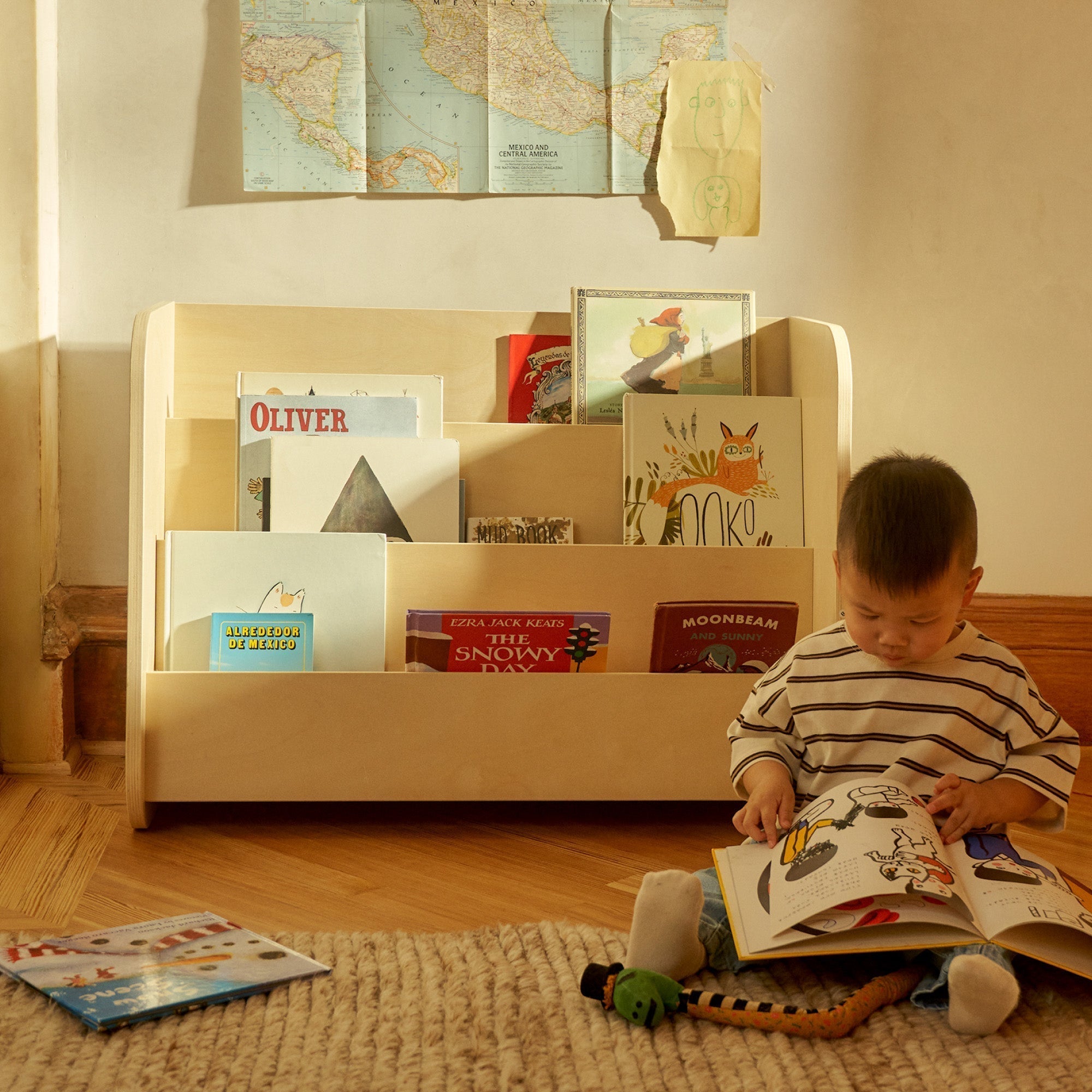
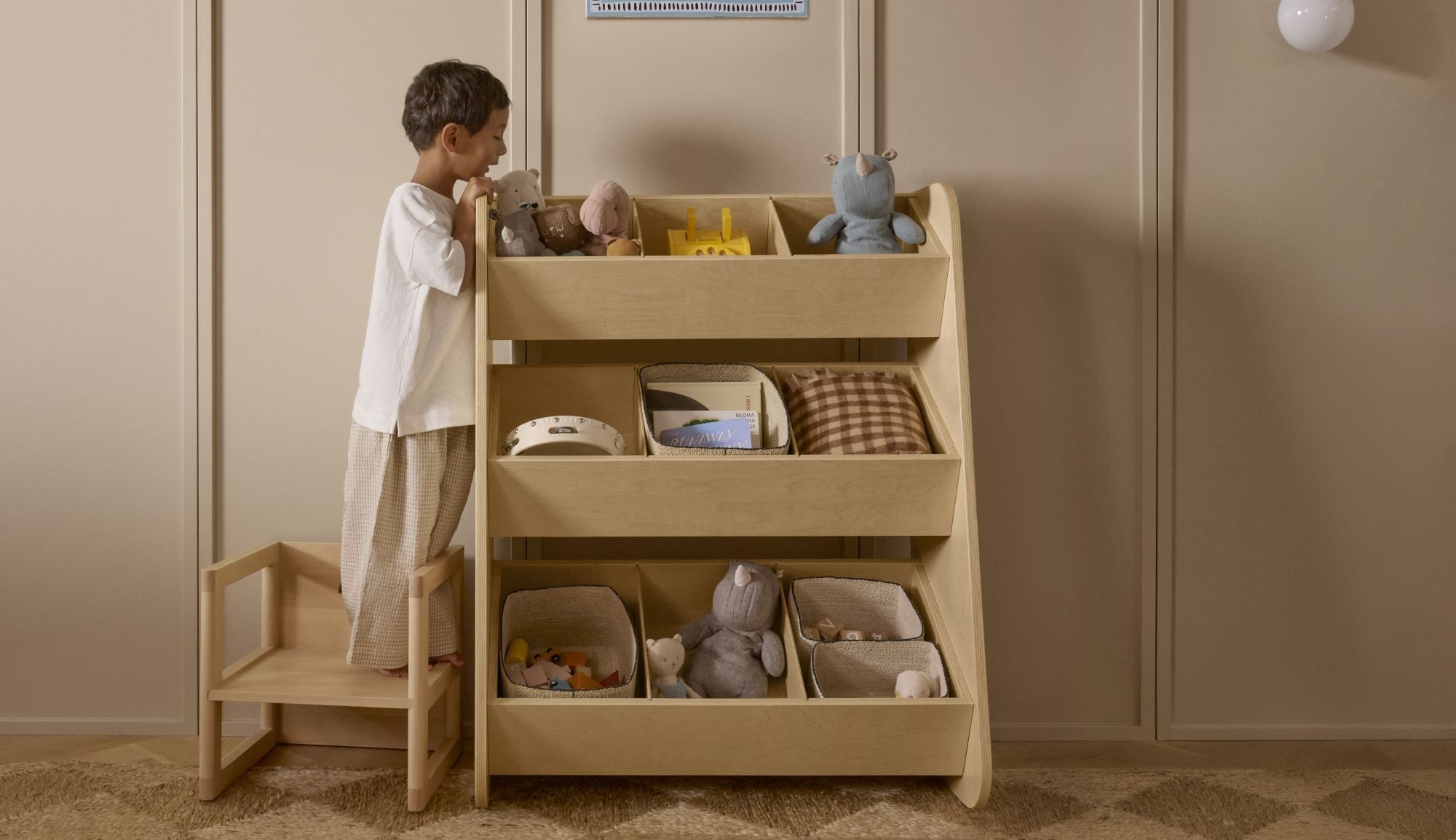
A front-facing bookshelf that displays book covers is a common choice in Montessori bookshelf design. Viewing book covers is more engaging for young children, boosting interest in reading. This style also encourages independence, as a front-facing bookshelf makes it easy to select and return books.
Montessori Bookshelves vs. Traditional Bookshelves: How They're Different
How do Montessori bookshelves differ from traditional bookshelves?
Both types of bookshelves are useful, but they serve different purposes. A typical bookshelf stores books stacked side by side, maximizing the use of space. However, only the spines are visible, which isn't as engaging for children, especially for picture books. Plus, finding and returning books can be challenging for young children.
Montessori bookshelves focus on the child's experience. Instead of looking at spines, children can view the covers, making their favorite stories visible. Easily accessible, children can get out and return books without help, promoting independence.
Montessori Bookshelves vs. Traditional Bookshelves
Here are the main differences between Montessori and Traditional Bookshelves:
| Montessori Bookshelf |
Traditional Bookshelf |
| Front-facing bookcase design |
Only spines visible |
| Made of beautiful natural wood | Materials vary |
| Ideal for picture books |
Works for any type of book |
| Extra storage in the back |
No extra storage |
| Child-friendly for independence |
Can be difficult for young children to use |

5 Tips on How to Use a Montessori Bookshelf
How should you set up your Montessori Bookshelf? Using a Montessori shelf is similar to using any other piece of furniture. However, if you want to follow the Montessori philosophy, there are some fundamentals to follow.
As a Montessori teacher and mom of three, here are my top tips for using a bookshelf while following Montessori principles:
1. Rotate Books
Ignite your child's interest in books and reading by rotating the collection available. Every week or two, put away the books you have out and display new ones.
If your child has a favorite book they've been enjoying, you can keep it out. However, switching out the majority of books keeps topics and stories fresh and engaging.
You don't need a huge book collection to practice book rotation. Try swapping books with friends and using your local library to supplement your own collection.
2. Limit the Number of Books
Instead of stuffing your Montessori Bookshelf with as many books as possible, display a limited number of books.
Why? Research shows that too many choices can be distracting for young children. Additionally, Dr. Montessori encouraged teachers to keep Montessori shelves neat and organized. Adding too many books makes them difficult to arrange and complicates the child's ability to use the bookshelf independently.
Limiting the number of books goes hand in hand with rotation. When you change books regularly, you can have fewer available at a time.
Pro Tip: Limiting the number of toys and practicing toy rotation can improve your child's play. Learn how to do toy rotation the Montessori way here.
3. Try Themes
Occasionally, it can be fun to fill your child's bookshelf with books that surround a theme. For example, you might focus on books about a certain continent or country. You can include both fiction and non-fiction books that cover the continent's food, cultural practices, legends, geography, and more.
For young children, themes about animals are often popular. You can go broad, such as ocean animals, or specific, only focusing on a singular animal.
4. Go Beyond Picture Books
So often, I see people offer young children picture books and board books exclusively. While there's nothing wrong with these books, toddlers and preschoolers have a wide range of interests. By limiting the types of books we offer, we miss the chance to inspire them. Plus, exploring different types of books also opens the door to new topics, conversations, and ideas.
Some picture book alternatives I've seen young children enjoy include:
- Non-fiction books about animals, space, history, etc.
- Atlas-style books
- Poetry books
- Children's reference books (encyclopedias and dictionaries)
- Early chapter books
- Arts and crafts (how-to) books
- Experiment and science activity books
Your child will need support to enjoy some of these books, such as chapter books, but they can explore many of the others independently.
Going beyond picture books and board books can help your child build literacy skills, expand their vocabulary, and foster curiosity.
5. Choose Realistic Illustrations and Stories
If you want to follow the Montessori philosophy, choose books that use photographs or realistic illustrations. Dr. Montessori believed that children need to build a strong understanding of reality before exploring fantasy.
Before the age of 6, she noticed that children have a hard time differentiating between fiction and reality. Believing this would be scary, she recommended that younger children focus on fiction and realistic fiction. She supported the use of fairy tales and fantastical fiction after children turned 6.
Piccalio's Montessori Bookshelf
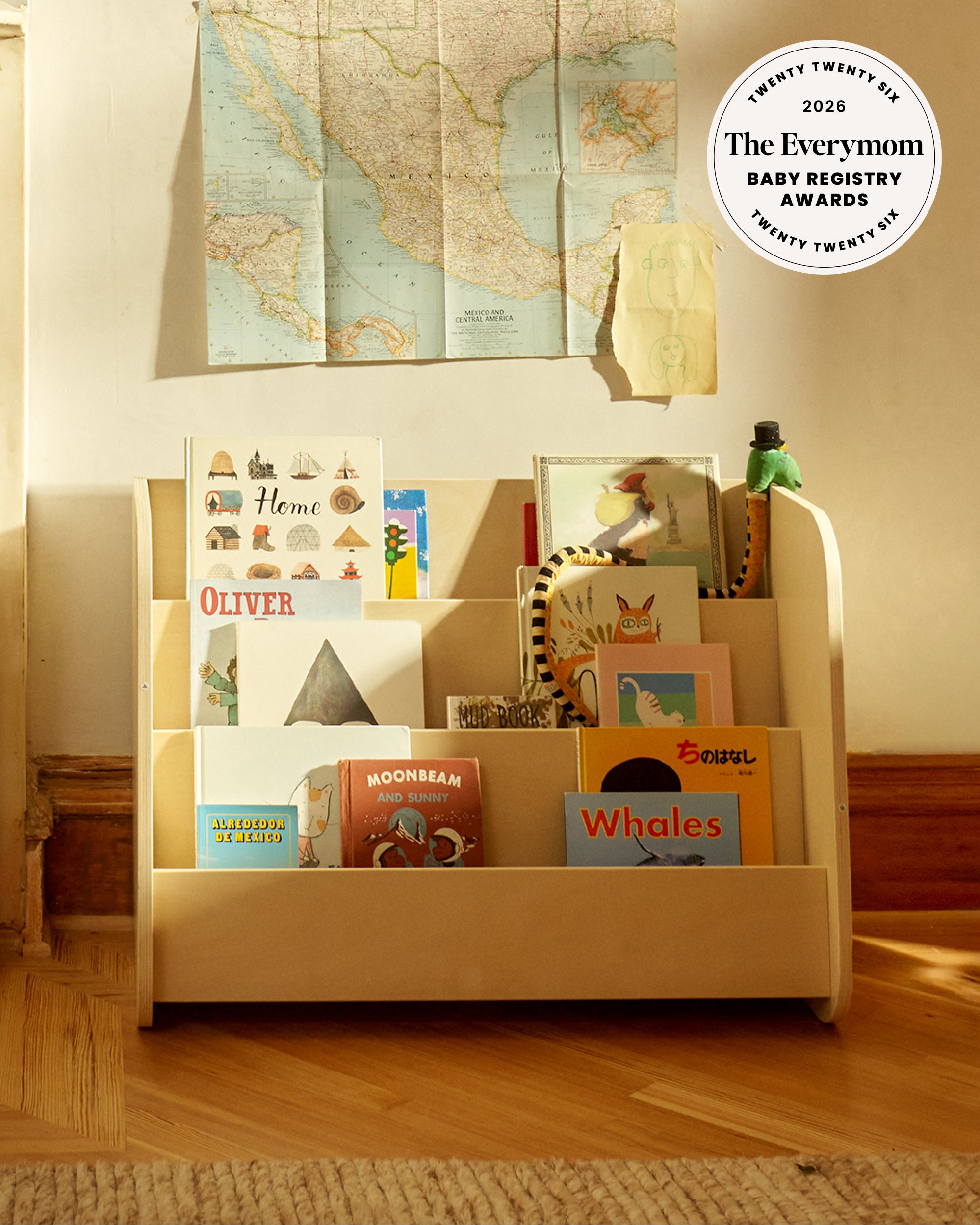
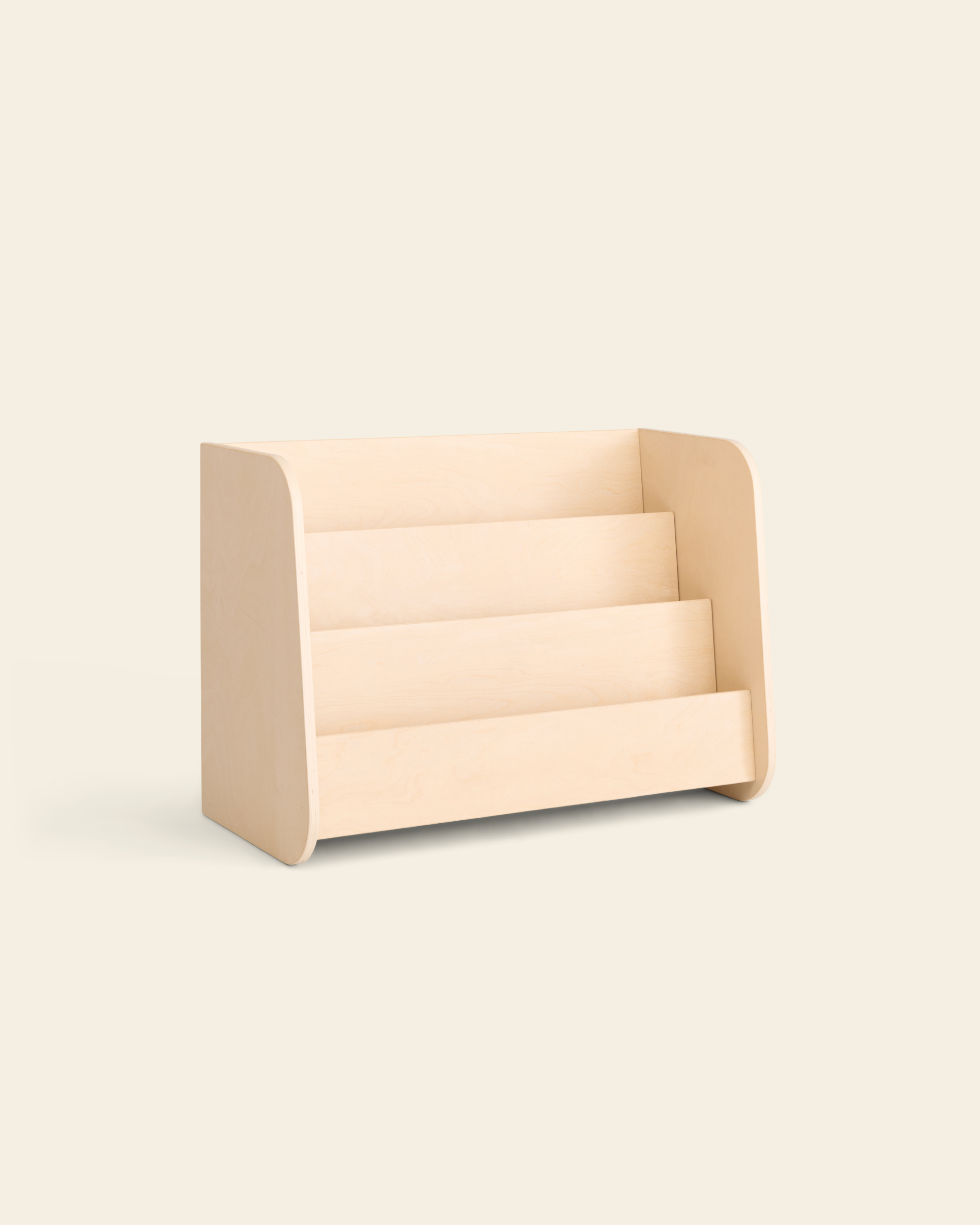
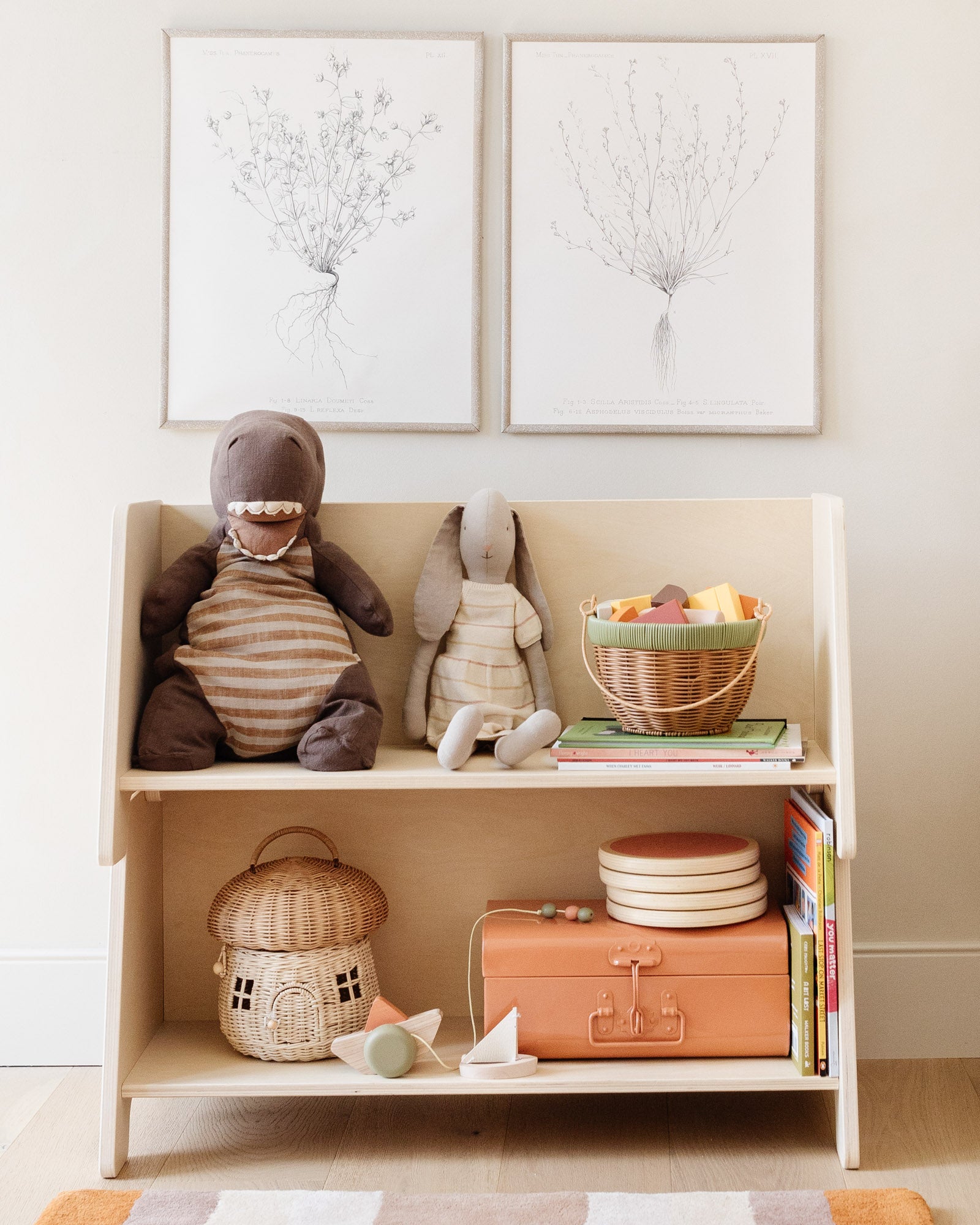
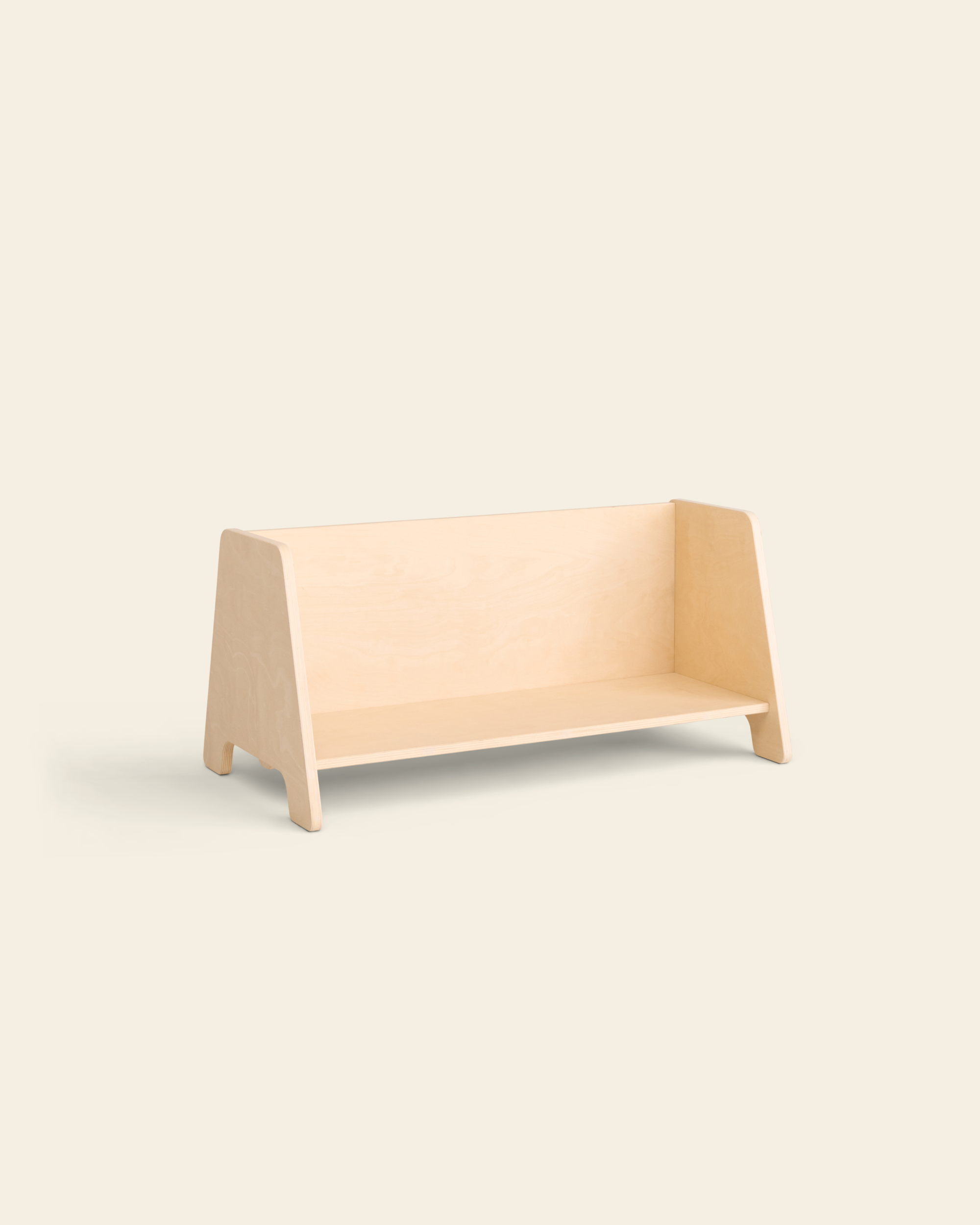
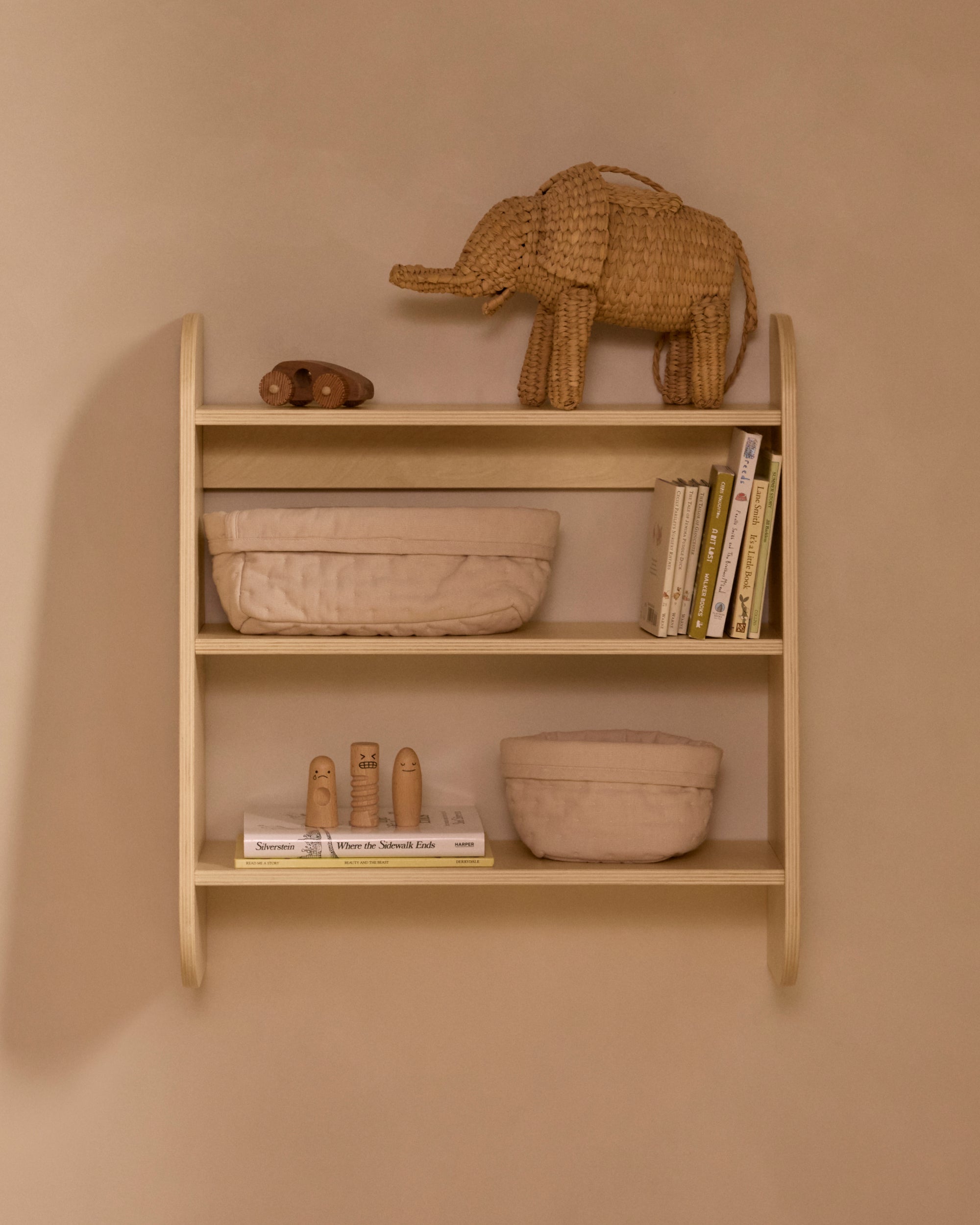
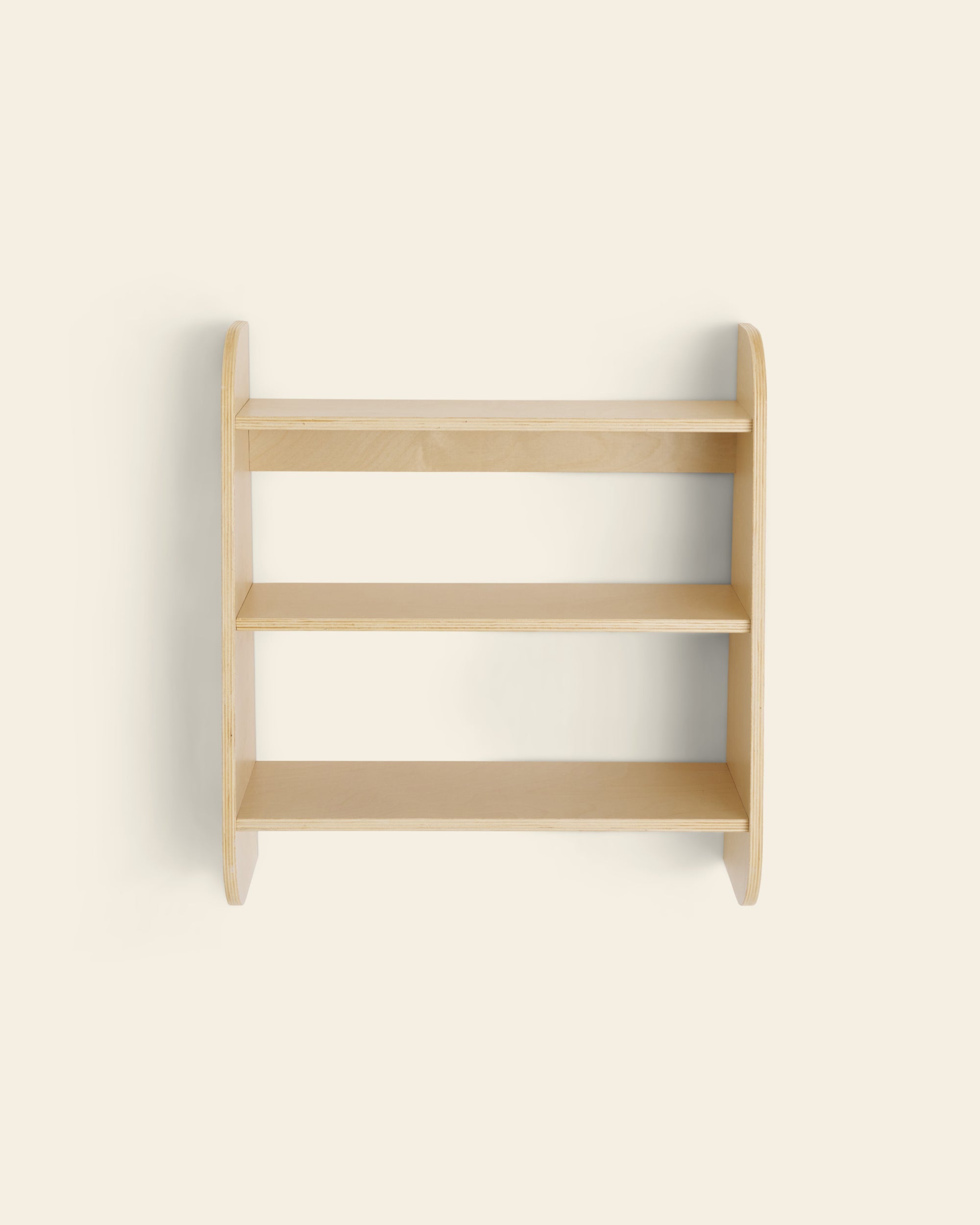
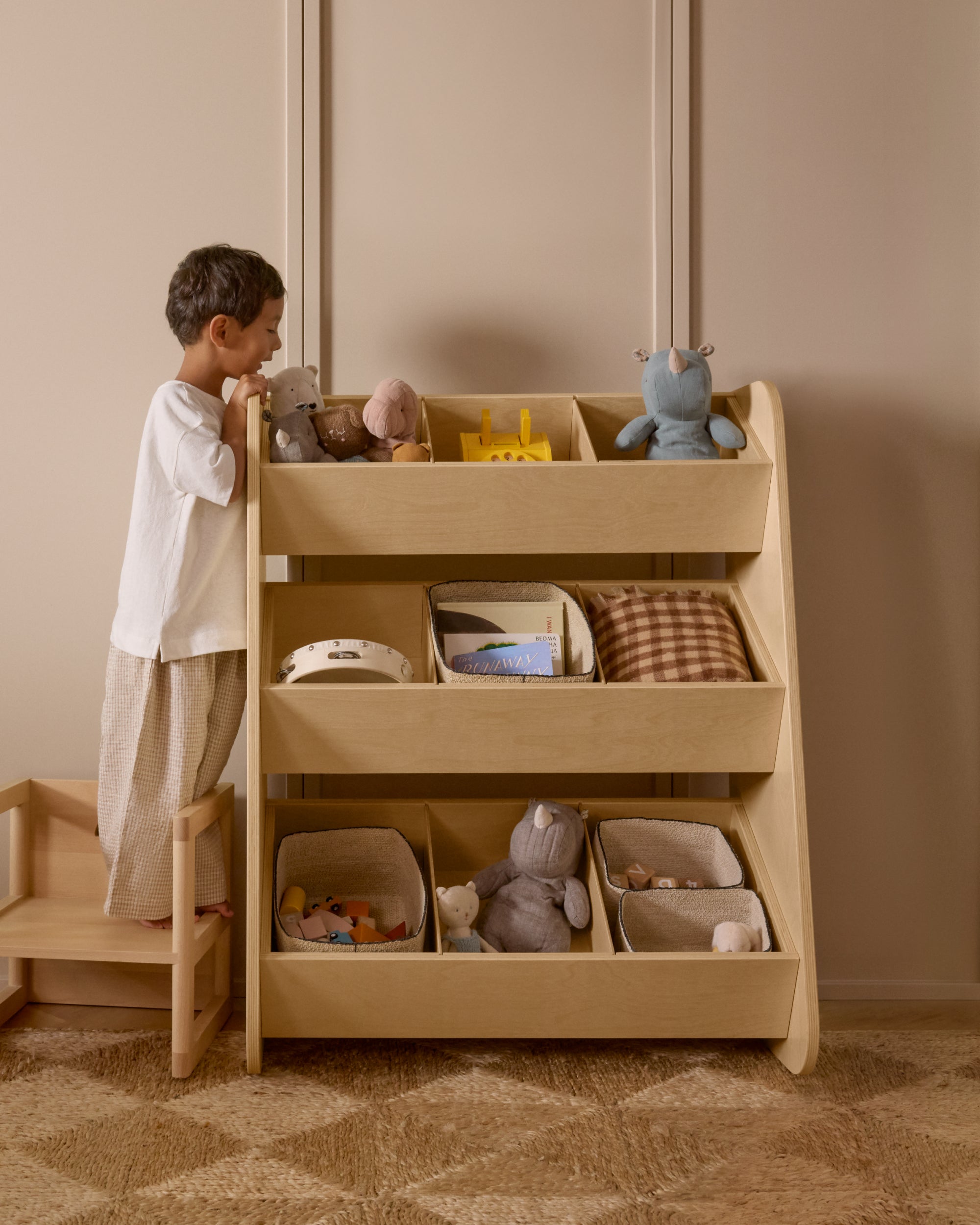
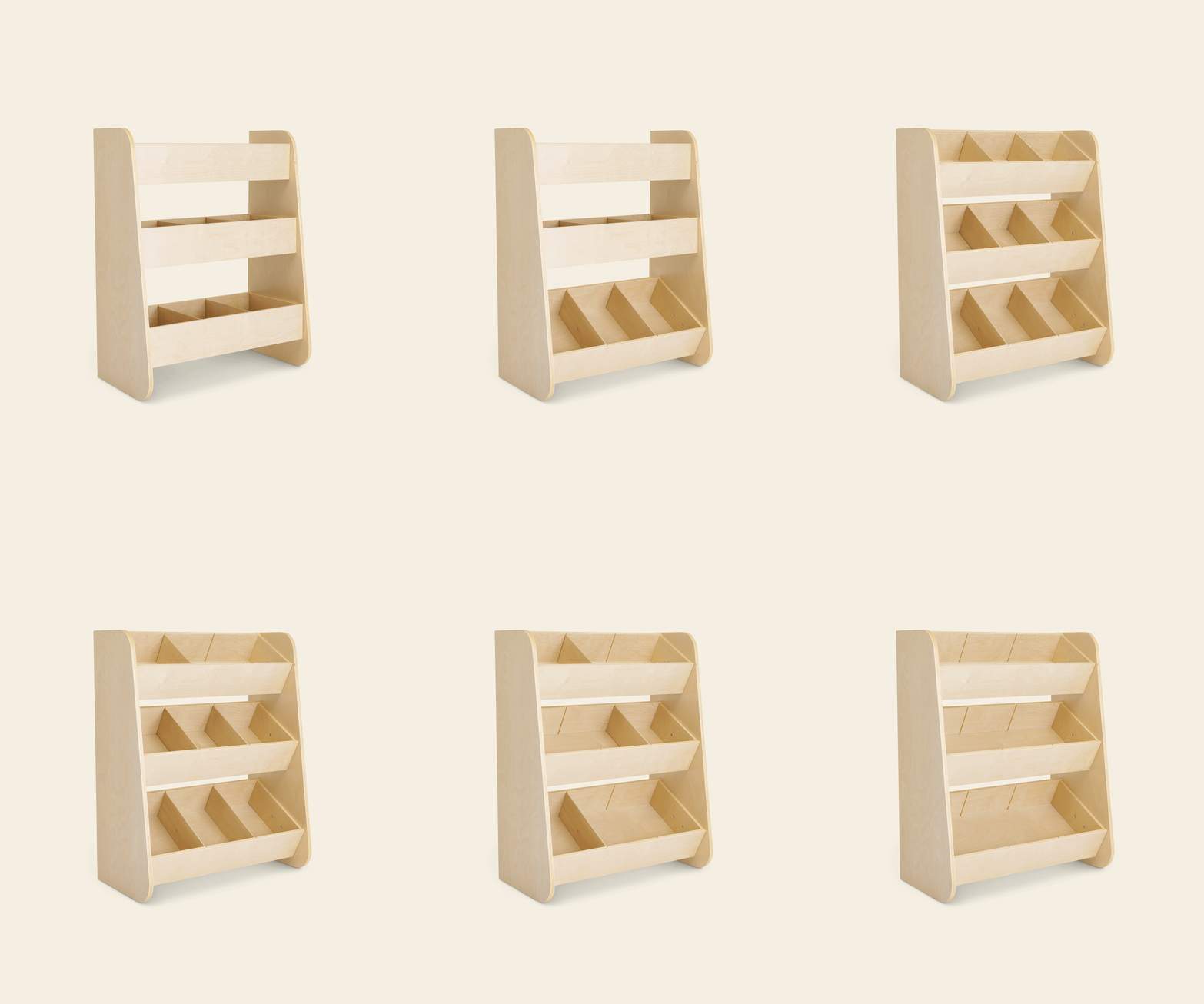
Piccalio's Montessori Bookshelf is a high-quality front-facing bookshelf made of FSC® birch plywood. Featuring a non-toxic finish, the bookshelf features three tiers of deep shelves for displaying books, large and small. Additionally, the Montessori Bookshelf has extra storage in the back for toys or even more books.
Discover our full Bookcase and Storage Collection here.
Instill a Love of Reading with a Montessori Bookshelf
Even taking a few minutes every day to read with your little one can help set them up for success. Prioritizing literacy from an early age offers your child many benefits. Through reading, your child builds their vocabulary, attention, concentration, and critical thinking skills.
Setting up a reading area with a Montessori Bookshelf can help foster your child's interest in reading. A cozy, inviting space alongside an engaging bookshelf filled with interesting books makes reading something your child looks forward to.
What does your reading area at home look like? Let us know in the comments below.
Looking for more resources to help build your child's literacy skills. Discover when children learn to read and how to boost reading comprehension skills.




Leave a comment