

When Should Toddlers Start Using Crayons? A Montessori Teacher Offers Tips to Help Your Child
As a Montessori teacher and mom, I've seen children start coloring as early as 1 year old. Other children aren't ready to color until they're 2 or 3 years old. Read on to learn some Montessori tips and activities to prepare your child for coloring, drawing, and writing.
At What Age Do Kids Learn to Use Crayons and Color?
Most children are ready to start coloring and using crayons around 2 or 3 years old. Usually, children start by scribbling and using a whole-hand grasp rather than a pincer grasp. Over time, little ones build their skills and become more interested in coloring within the lines and making their own shapes.
Prerequisites to Coloring: How Young Children Learn to Use Crayons
While coloring seems simple, it involves a lot of skills for little ones! Using crayons involves advanced hand-eye coordination and fine motor skills.
Before children are ready to open a coloring book, here are some skills you can work on from as early as 12 to 18 months old:
Hand-eye Coordination
Young children need a lot of practice getting their hands and fingers to do what their brain wants them to do. Some activities to practice this skill include:
- Self-feeding finger foods
- Block sorter toys
- Using a dustpan and brush
- Playing with an object permanence box
Pincer Grasp
Before children can hold a crayon the traditional way, they need to build finger strength and motor development. Dr. Montessori created many activities and materials to help prepare children for writing. Working with specially sized blocks,
Some activities to work on this skill include:
- Playing with playdough
- Using a spoon
- Playing with knobbed puzzles
- Using tongs
They're "Ready"
Dr. Montessori recommended that adults "follow the child." She noticed that children are more motivated and concentrate better when they can choose their own activities. By observing children and noticing their interests, we can better help them explore and learn new skills when they're ready.
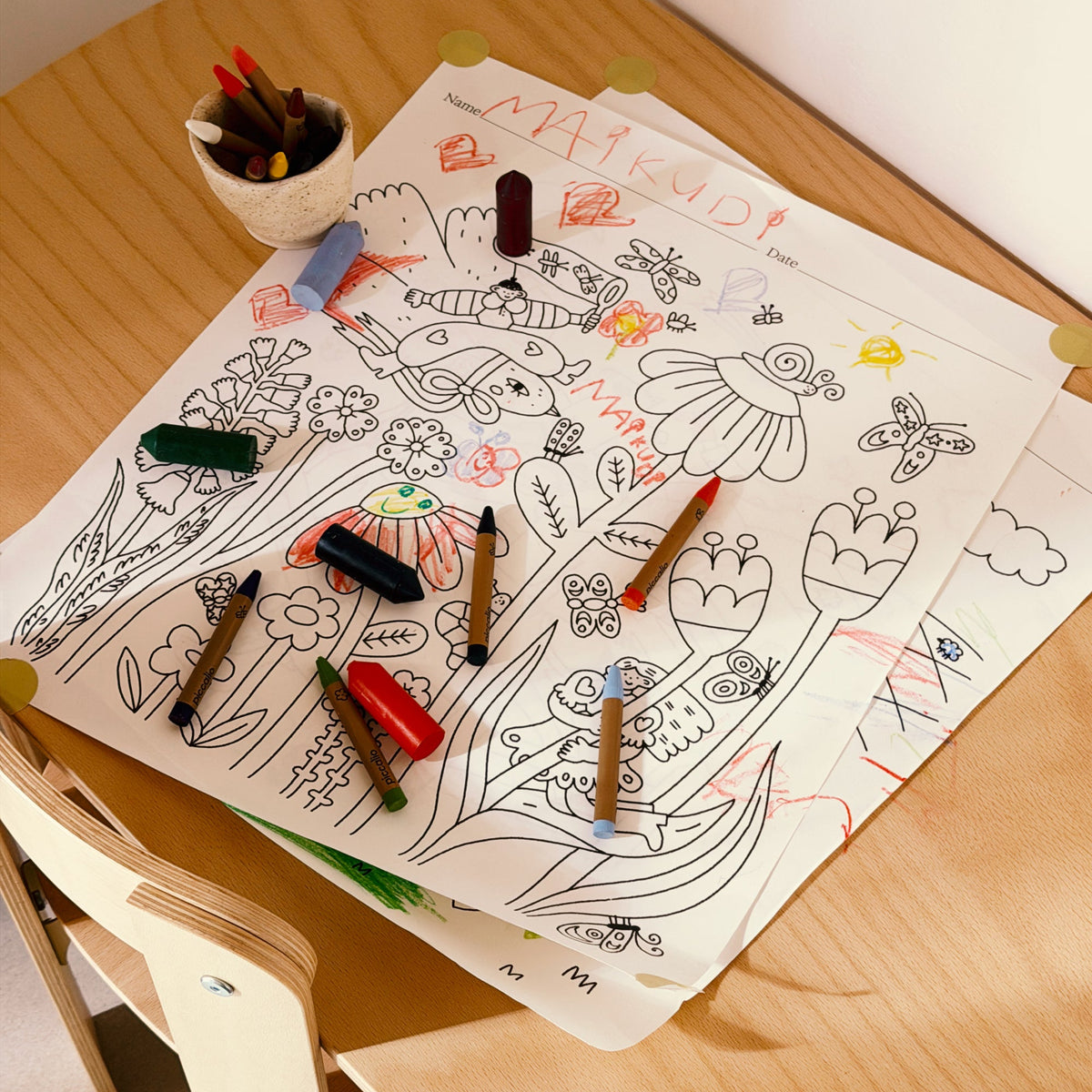
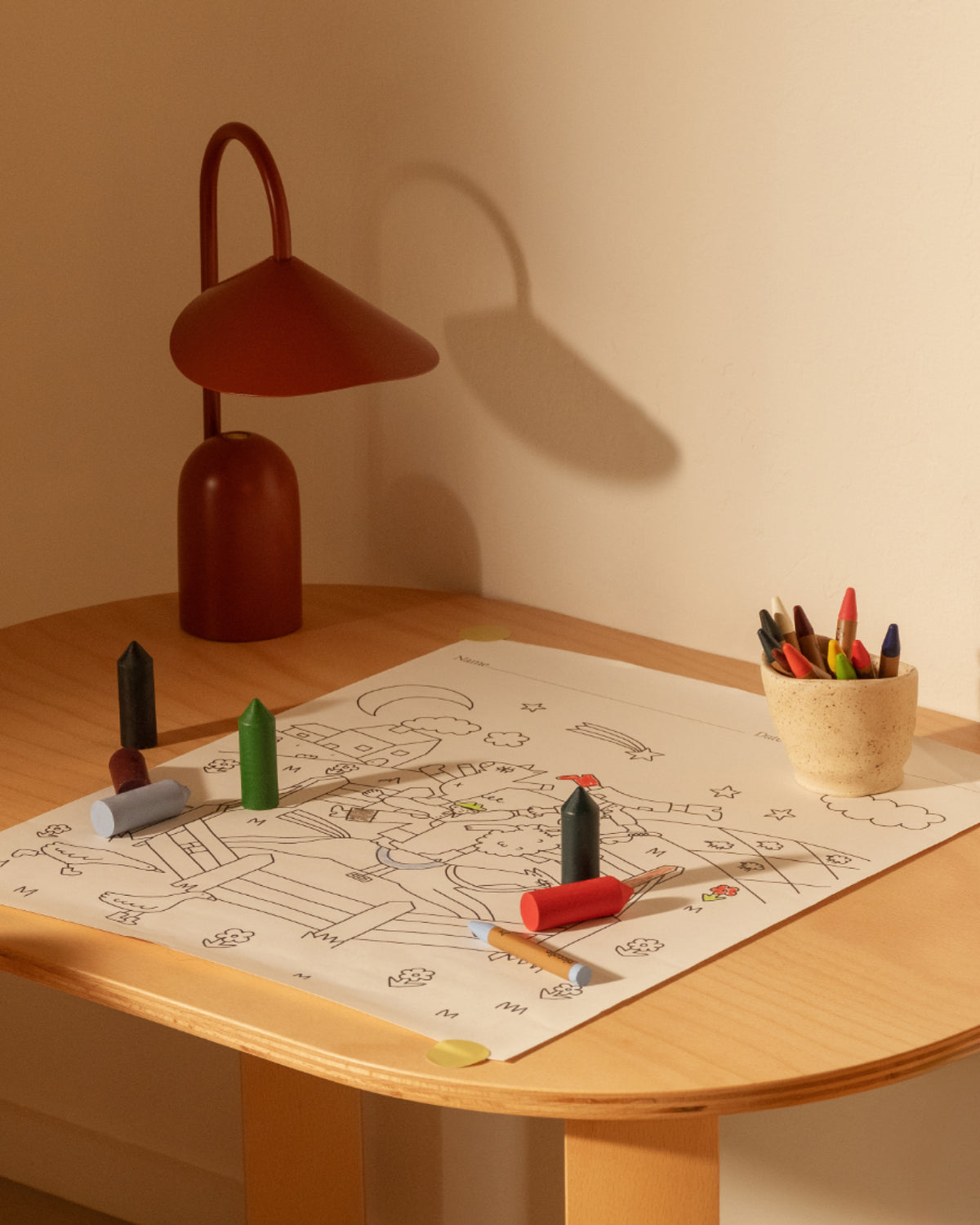
Instead of forcing coloring, offer them opportunities and wait for them to show interest. For example, you might create an invitation to color by setting out paper and crayons at their table. Then, let them take the lead.

When Do Kids Start Coloring? Montessori Tips for Teaching Coloring
When your child is ready to color, how can you support them? Here are my top tips.
Choose the Right Coloring Tools
Washable markers are a popular choice for young children because they're easy to use and glide across the page. For building hand strength, crayons and colored pencils are a better choice because they require the child to apply some pressure. This also means children can explore applying pressure and the different markings they create.
Another concern is ingestion. Young children famously put anything and everything in their mouths, so choosing a safe option for toddlers is also a priority.
Crayons for Toddlers
Choose a chunkier, thicker crayon to support their grip. As toddlers, children usually grasp items with their whole fist, so you want something thick enough for them to hold easily.
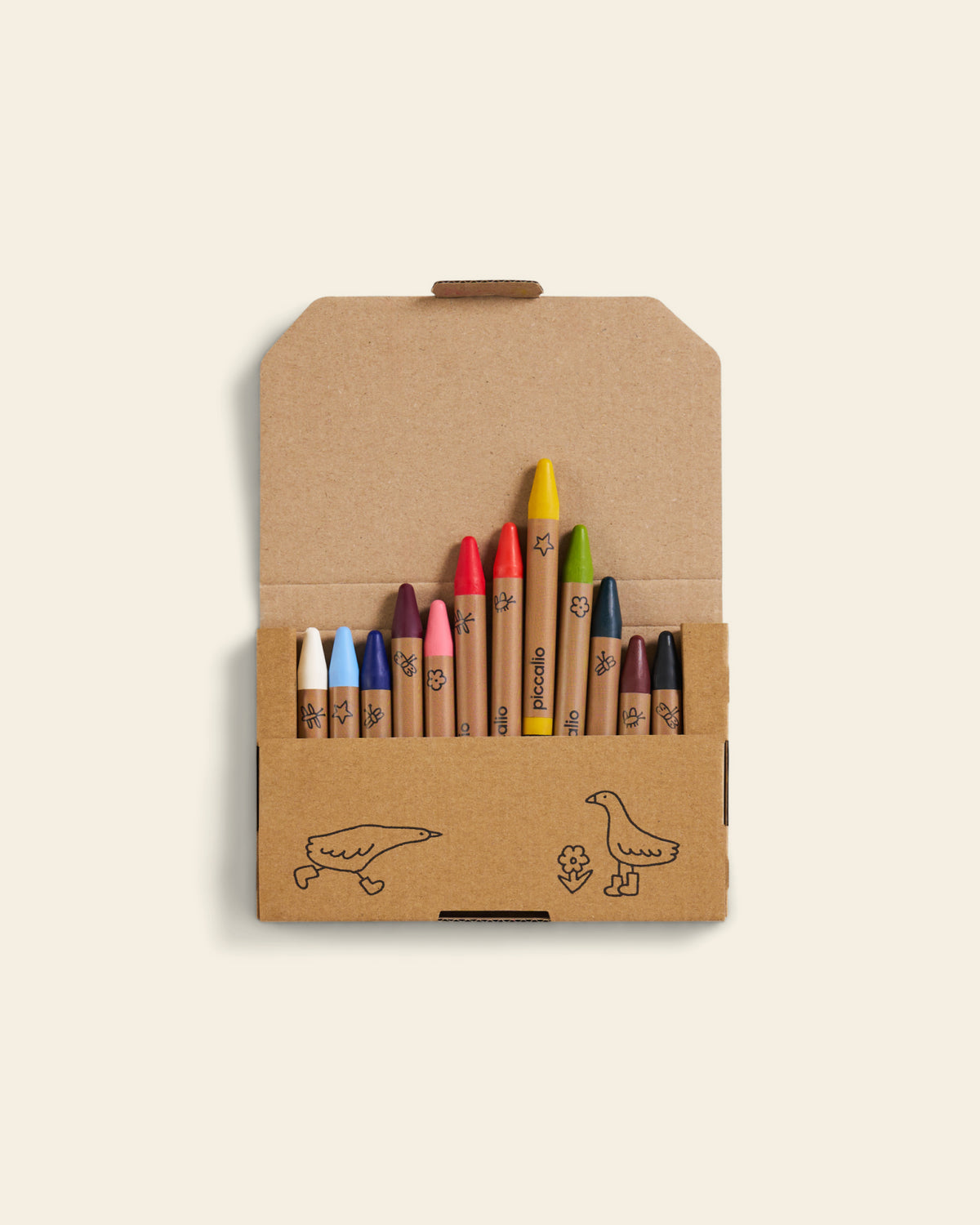
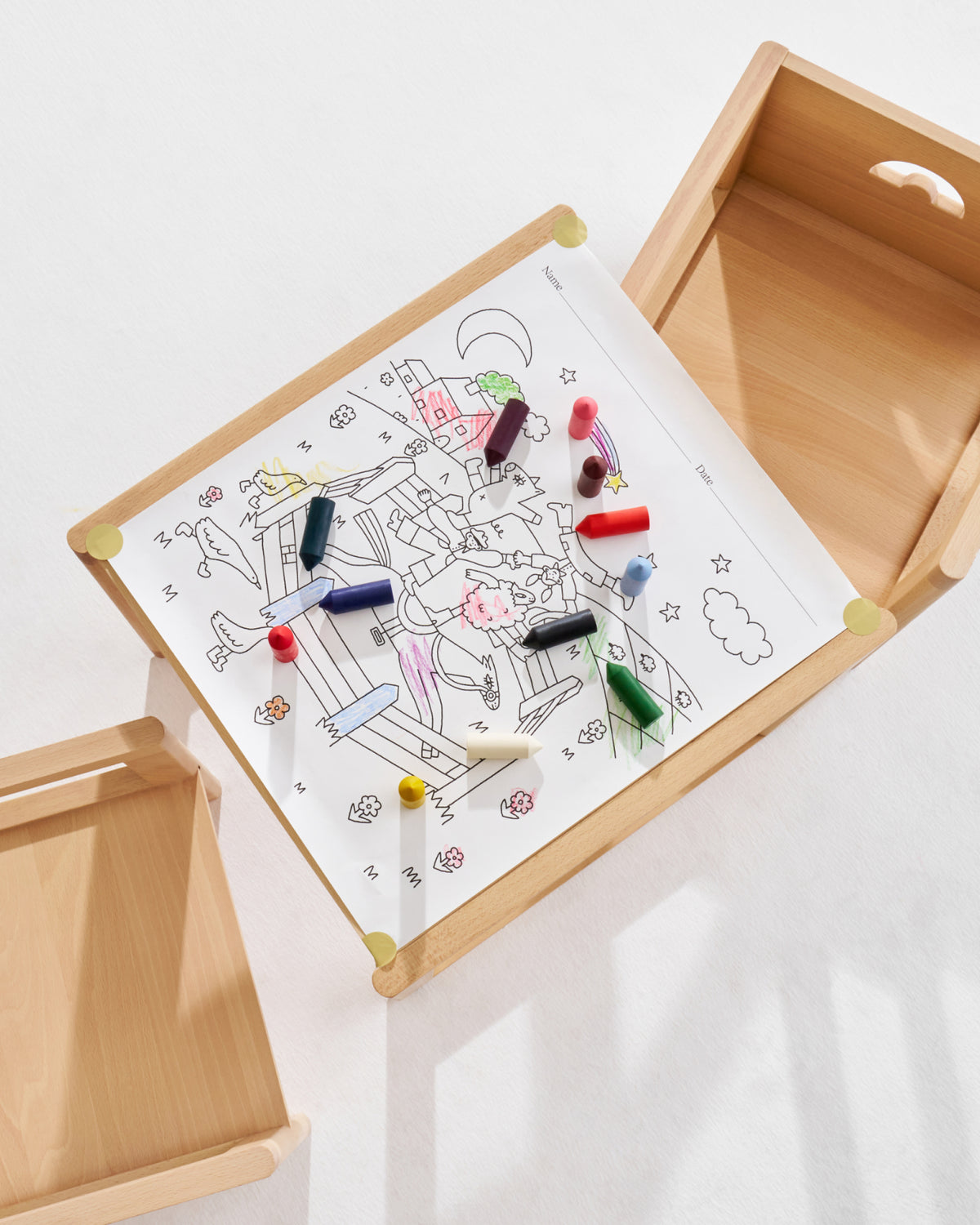
Piccalio's Beeswax Crayons Junior 1+: Our Beeswax Crayons for toddlers are 1 inch wide, perfect for your little one's grasp. They are made of all-natural materials, including beeswax and organic pigments.
Crayons for Children 3+
As your child moves toward a pincer grasp, you can offer thinner crayons. Standard-size crayons and colored pencils make it easier to add details and color within the lines.
The exact right age depends on your child's skills and development. Some kids are ready at 2, while others aren't ready until they're 3 years old.
Piccalio's Beeswax Crayons Classic 3+: Unleash your little one's creativity with all-natural beeswax crayons in a classic size. Beeswax glides smoothly across the page, offering a wonderful medium to explore vibrant colors.
Simple First Coloring Activities
Coloring activities should be fun and focus more on the process than the result. So, instead of bringing a lot of structure to coloring, it can be more open-ended. Some activities include:
Free Scribbling
Blank paper and crayons are sometimes all you need. You can also offer your child scrap paper.
As toddlers, my children often liked coloring in notebooks or on scrap paper with text. I think it somehow made them feel grown up!
Montessori Metal Insets
The metal insets are a classic Montessori material ideal for children ages 3 and up. It consists of a set of large stencils in simple geometric shapes. Children trace the stencils and then draw lines, patterns, or color in the shape.
This provides a simple structure for coloring with plenty of opportunity for learning.
How to Choose Coloring Pages and Books
Children do enjoy coloring pages, books, and more structured artwork as well.
As a Montessori mom, I prioritize realistic drawings and high-quality illustrations for my children to color. There's something special about a thoughtfully created coloring page designed by a real artist.
My children have especially enjoyed themed coloring books, such as one showcasing different types of birds drawn realistically. Another favorite has been realistic drawings of dinosaurs.
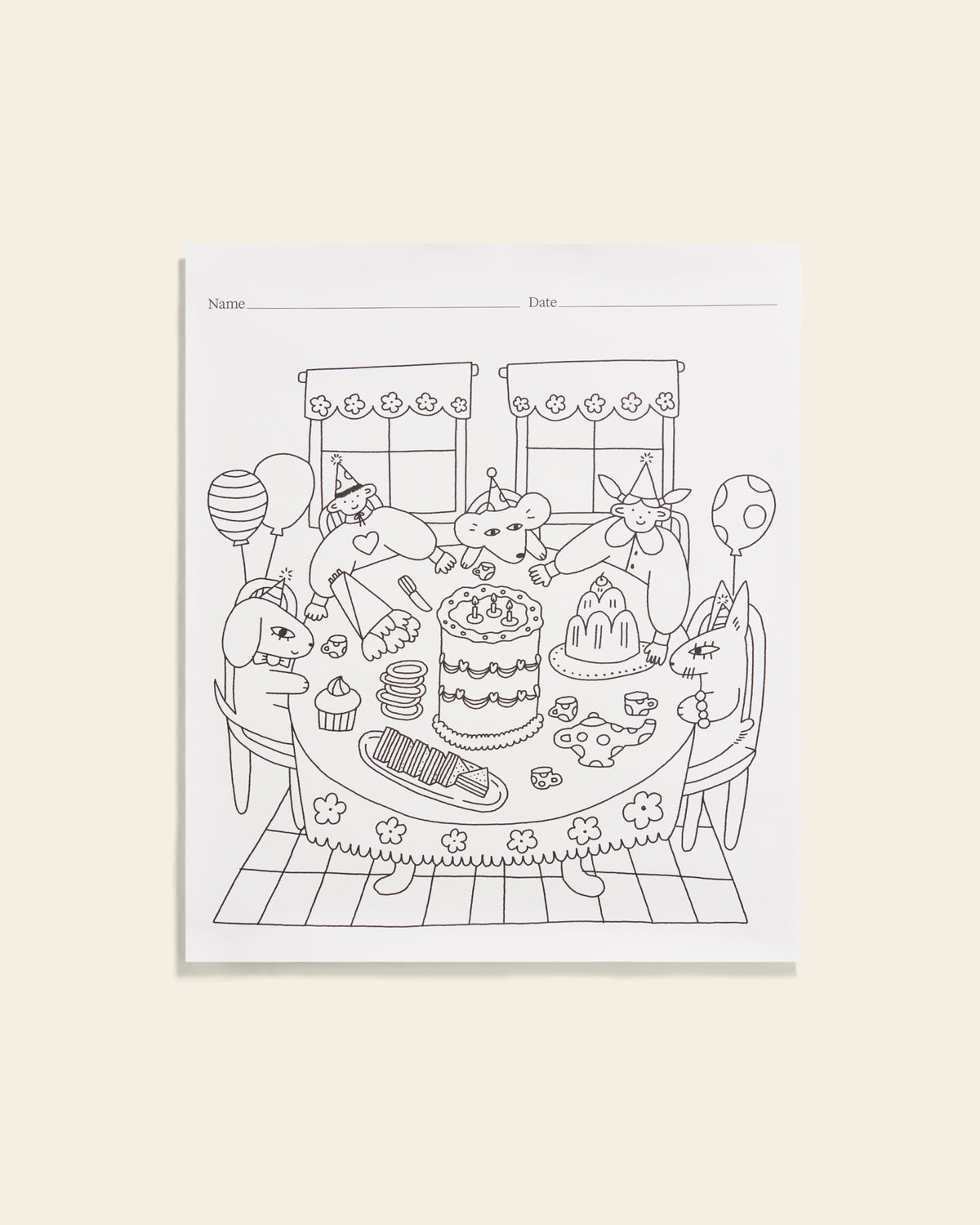
Piccalio's Large Coloring Pages: Our coloring pages feature 5 original hand-drawn illustrations for little artists to color, add to, and explore. In a large format, these pages are perfect for sharing with a sibling or a friend.

Advanced Coloring and Drawing Activities
Once your child has advanced their skills, you can build their interest in coloring and drawing with more challenging activities.
Drawing Tutorials
Print tutorials that show step-by-step drawing. For example, this resource shows children how to draw vehicles, animals, and everyday items. Then, you can set up a space with options for drawing, blank paper, and crayons or pencils so your child can explore and create.
Exploring Artists and Styles
Another activity to try is to explore different art styles. You can print out and show your child examples of artists and styles. Some popular options include:
- Pointilism
- Van Goh
- Yayoi Kusama
- Jackson Pollock
- Piet Mondrian
- Pop Art
- Andy Goldsworthy
Then, offer a variety of art supplies and invite your child to recreate their own versions of art using these styles and artists as inspiration.
Benefits of Coloring for Young Children
Coloring is more than a fun pastime for children.
Through coloring, children build skills such as:
- Concentration
- Fine motor skills
- Preparation for writing
- Exploring colors
- Problem-solving
These are essential skills for future academic success.
Learning to Use Crayons: A Process
From their first scribbles and doodles to more refined coloring and artistic expression, each child develops at their own pace. With support and opportunities to practice when they're ready, children can build amazing coloring skills.
Ready to move on to writing? Try these Montessori activities for teaching your child to write.




Leave a comment