


One of the biggest challenges of parenting is wrangling an unwilling toddler at bedtime. Even if you know they're tired, they often resist bedtime. Recently, I had the pleasure of interviewing Dr. Natalie Barnett, who is an expert in pediatric sleep. She offered insights into what actually works for toddler sleep, from getting your 2-year-old to sleep to how to keep your toddler in bed all night long.
Here is our conversation, lightly edited for readability.
How to Make a Toddler Sleep
Piccalio: What tips would you offer parents to help get their toddlers to bed?
Dr. Barnett: Toddlers and children who have a consistent bedtime routine sleep better and sleep longer than children who don’t.
The bedtime routine should be short, simple, enjoyable, and easily replicable. I don’t want the routine to be an hour or an hour and a half. It just needs to be a few things you do every night that are the same, at roughly the same time, that signal to your child that it’s time to go to bed.
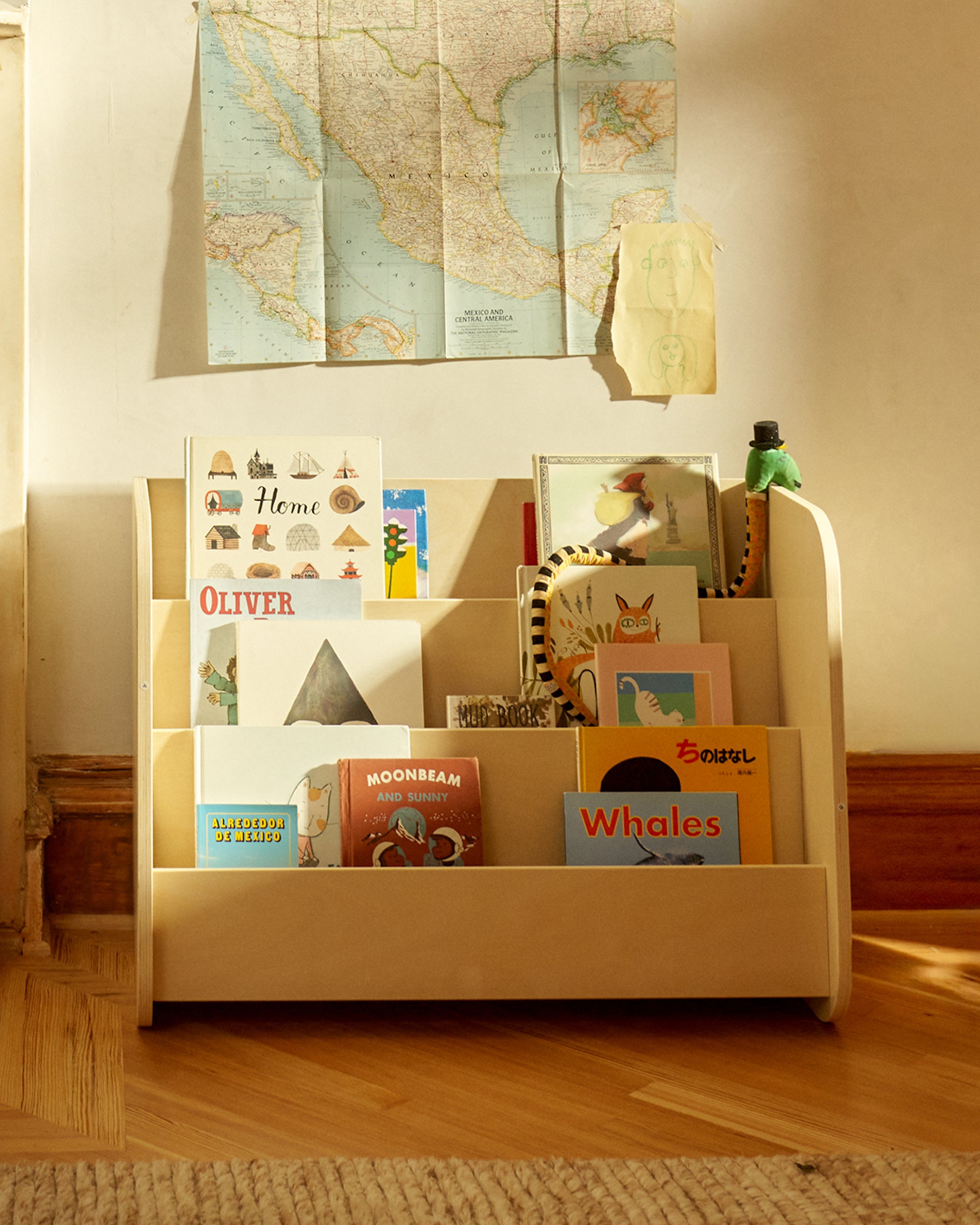
Did you know reading as part of your bedtime routine can help improve sleep?
If a bath is stressful at that time of day, don’t do a bath. If a bath is something you and your child enjoy, absolutely go for it. I want bedtime to be a time of day you look forward to, not a battle or something that feels difficult.
Toddlers are built to test limits and push boundaries. It’s our job as parents and caregivers to consistently set limits and boundaries. When those limits and boundaries are in place, children are less likely to act out.
Need support setting limits and boundaries? Try these tips on "how to say no" from a child therapist.
Why Is My Toddler Acting Out Before Bed?
Piccalio: Toddlers are notorious for bedtime meltdowns, getting hyper and running around, or resisting bedtime. Why does this happen, and what can parents do?
Dr. Barnett: There are two major things I often see: a sleep schedule misalignment or a need for attention.
Sleep Schedule Misalignment
Dr. Barnett: One thing I often see in toddlers with bedtime resistance is that it often arises due to a timing misalignment. As your child grows, their sleep needs change. Maybe they used to nap consistently from 1 to 3 every afternoon and go to bed at 7 or 7:30 PM. If they’re still taking that 1 to 3 nap, it may be that they’re simply not tired enough at 7 or 7:30.
As they develop, they’re capable of staying awake for longer periods without being tired. We want to keep an eye on wake windows to optimize timing so they’re not napping too late or too long.
Instead of a 1 to 3 nap, maybe it becomes 1 to 2. Or maybe bedtime shifts from 7 to 8 for a while. Adjusting the timing can make a big difference with bedtime resistance.
Toddlers and Attention
Dr. Barnett: Another common cause is that toddlers are often looking for attention. They don’t care whether it’s negative or positive attention. If they’re protesting, acting up, or behaving in ways you don’t deem appropriate at bedtime, and you give them a lot of attention for that behavior, they’re going to continue it.
Try to reframe things and ignore negative behavior as much as you reasonably can. Instead, focus on giving them one-on-one attention during the day. That can be hard to carve out—especially if you’re a working parent with multiple children—but I highly recommend trying to find 10–15 minutes where it’s just you and that toddler doing something together that you both enjoy.
Try a Walk
Dr. Barnett: One thing I love to recommend is taking a short walk with your toddler in the evening—before or after dinner. No stroller, and it’s okay if it’s dark. Just a 10-minute walk outside. Look at the trees, the sidewalk, the cars, the doors—whatever you see around you.
You’re not going to talk about sleep or behavior issues. All day, toddlers hear “Don’t do this, don’t do that, hurry up, we need to finish dinner, get in the bath.” Giving that positive one-on-one attention in a way that feels different and special is valuable to them and often translates to less resistance and fewer battles at bedtime.
That said, we’re still going to have bedtime battles from time to time.

Sleep Schedules and Naps
Piccalio: How should parents manage sleep schedules if the daycare has a set nap time?
Dr. Barnett: It really varies from daycare to daycare. Some daycares will say, “Nap time is 12 to 2, and that’s that.” Other daycares will work with you, especially as kids get older and start transitioning away from naps. They might say, “We’ll give them quiet time and let them read books or do puzzles,” or “We’ll wake them after 45 minutes.”
If your daycare is willing to work with you, that’s fantastic. At a minimum, have a conversation with them. What we see every day is kids who have very long naps at daycare and then aren’t tired enough at bedtime. It’s the parents who deal with the fallout in the evening—children who are up until 9:30 or 10 PM because they’ve had a two-hour nap.
If your child takes more than 30 minutes to fall asleep at night, they’re typically not tired enough at bedtime. You can either move bedtime later or shorten the nap.
You might also structure things so daycare days are nap days with a later bedtime, while non-daycare days are no-nap days with a much earlier bedtime. That can be a way to transition away from naps.
How to Get a Toddler to Sleep Through the Night
Piccalio: Do you have any tips for toddlers who keep waking up at night?
Dr. Barnett: The scientific evidence is very clear that babies, toddlers, and children who have a consistent bedtime routine sleep better and sleep longer than children who don’t.
I also want the room to be really dark and relatively cool. For the most part, I prefer the room to be dark without a nightlight. Some children develop a fear of the dark around age 2 or 3. If they need a soft nightlight in one part of the room, that’s fine.
Build the perfect bedtime routine with these tips and hacks.
Try Music for Sleeping Through the Night
Dr. Barnett: Music can be a great option for many toddlers. You might play quiet music during the bedtime routine and then transition to white noise or pink noise overnight. I really like having something soothing and calming.
Whatever you have playing as they fall asleep, I want it to play all night long. Toddlers wake throughout the night, and what they need to fall asleep at the beginning of the night is what they’ll need to get back to sleep when they wake up.
If that’s music, white noise, mom’s hand, or dad’s arms, they’ll look for the same thing in the middle of the night. We want an environment that’s consistent throughout the night and consistent night to night.
We also want an environment that allows them to get themselves to sleep so they can get themselves back to sleep. If they need something they can’t access in the middle of the night, it can be very frustrating. So we want to create independent sleep habits as much as we can, particularly for toddlers, to make nighttime easier and less frustrating for them.
What About Separation Anxiety at Bedtime?
Piccalio: You mentioned the option of being together as a family as part of a bedtime routine. Is there anything that shows this helps reduce anxiety around bedtime—that having a moment of connection helps toddlers and young children with fear or anxiety about bedtime?
Dr. Barnett: I think it definitely can help. I also want to normalize bedtime as much as we can. Try to create a general calmness and confidence around bedtime.
You can explain, “This is just what we do as a family: we get up, have breakfast, go to school or work, have dinner, get ready for bed, and go to sleep.” Then bedtime becomes just another routine, not something scary or stressful.
Going to bed should be something we all enjoy as a family. Framing it that way can go a long way in normalizing the bedtime routine and everyone going to sleep.
Role Playing to Encourage Your Child to Sleep on Their Own
Piccalio: What about cases where your child needs you to lie down with them to fall asleep, and the parents want to stop this habit?
Dr. Barnett: If you’ve had a child who consistently gets out of bed and you don’t know what to do, it’s very easy to give in and lie down with them until they fall asleep. And to be perfectly honest, if you want to lie down with your child and that’s how they fall asleep, and it works for your family, that’s fine.
But if it’s a problem for you or your child and you want to make a change, it's essential to be consistent with that change. Since we’re talking about toddlers, not infants, they do understand what’s going on. Communicate with them during the day about what is going to happen and be clear about expectations, so you're not springing it on them at night.
One thing I love to recommend is doing a bit of role play with teddy bears or dolls. It may feel strange and unnatural, but it can be effective for helping your child learn to sleep independently.
I typically recommend putting out three stuffed animals on the couch or sofa. You might say, for example, there’s a parent teddy and a parent teddy, and the big kid teddy. The parent teddies fall asleep by themselves in their beds and stay in their beds all night long.
The big kid teddy falls asleep by himself in his bed and stays in his bed all night long.
Then you say to your child, “You’re going to be just like the big kid teddy. You’re going to fall asleep by yourself in your bed, and when you wake up in the middle of the night, you’re going to get yourself back to sleep. Then in the morning we’ll come in, and we’ll go to the playground or do something fun together.”
I recommend doing that role play about five times during the day on the day you’re going to start, to help your child understand what’s going to happen. To make the change, we want to be consistent, prepare your child during the day, and make sure they’re happy in their sleeping environment.
Stuffed Animals and New Bedding
Dr. Barnett: You might let them choose a new blanket or pillow with a character they like, and they can have one or two stuffed animals in their space. I don’t love a whole lineup of stuffed animals because that often leads to “This one isn’t in the right place,” or constant rearranging. I’m happy for toddlers to have a couple of special stuffed animals that help them fall asleep.

How to Get a Toddler to Stay in Bed
Piccalio: Do you have tips for toddlers who frequently get out of bed just after bedtime or throughout the night?
Dr. Barnett: When children get out of bed and come find you, my typical recommendation is a “silent return.” We’re not getting upset or angry. We give as little attention as possible to that behavior while helping your toddler understand that daytime is for playing, fun, and cuddles, and nighttime is for sleeping.
You need to recognize that this is something you want to change, and commit to it. I like to equate toddlers to a scratch-off lottery ticket. If they think there’s a chance they’re going to get some attention from you, they’re going to keep trying. They’ll keep “scratching” until they win. We want to be so consistent in our response that they learn nighttime is for sleeping, and daytime is for fun and connection.
Transitioning from Co-Sleeping
Piccalio: A follower says their toddler is 3 and sleeps in their bed. Do you have tips for making the transition from co-sleeping in the parents' bed to their own bed in their own room?
Dr. Barnett: It’s a great question, and it really depends on the family and what you’re comfortable with. Whatever you choose, I want you to commit to it and be consistent.
It could be that you put a mattress on the floor next to your bed for a period of time and gradually move that mattress into your child’s room. It could be that you get them a new bed and lie down with them there for a period of time, then gradually move yourself out of the room. Or it could be that you go “cold turkey.”
For most families, a gradual approach can work well. With a toddler, I really want you to talk to them during the day about what’s going to happen and get them excited about it.
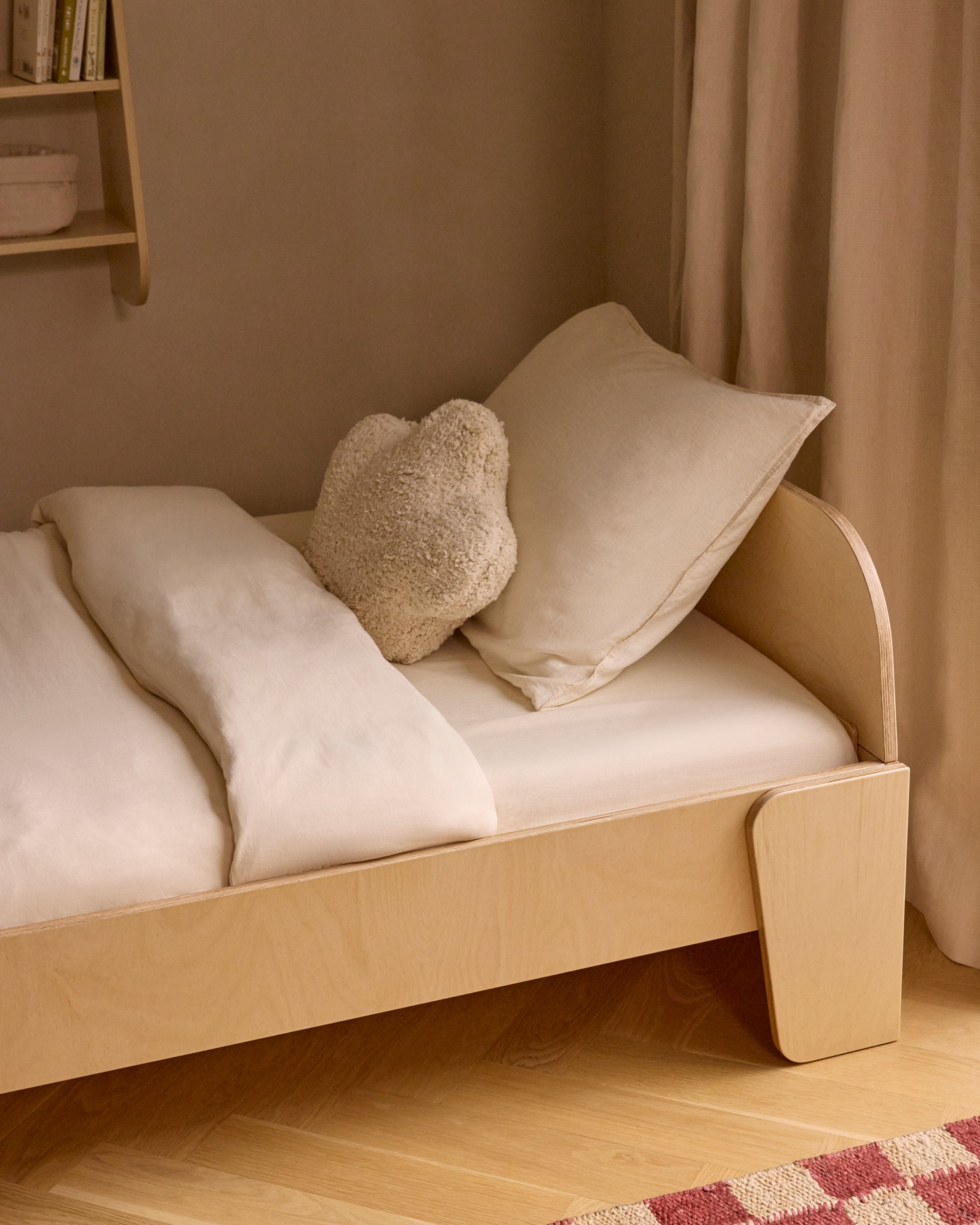
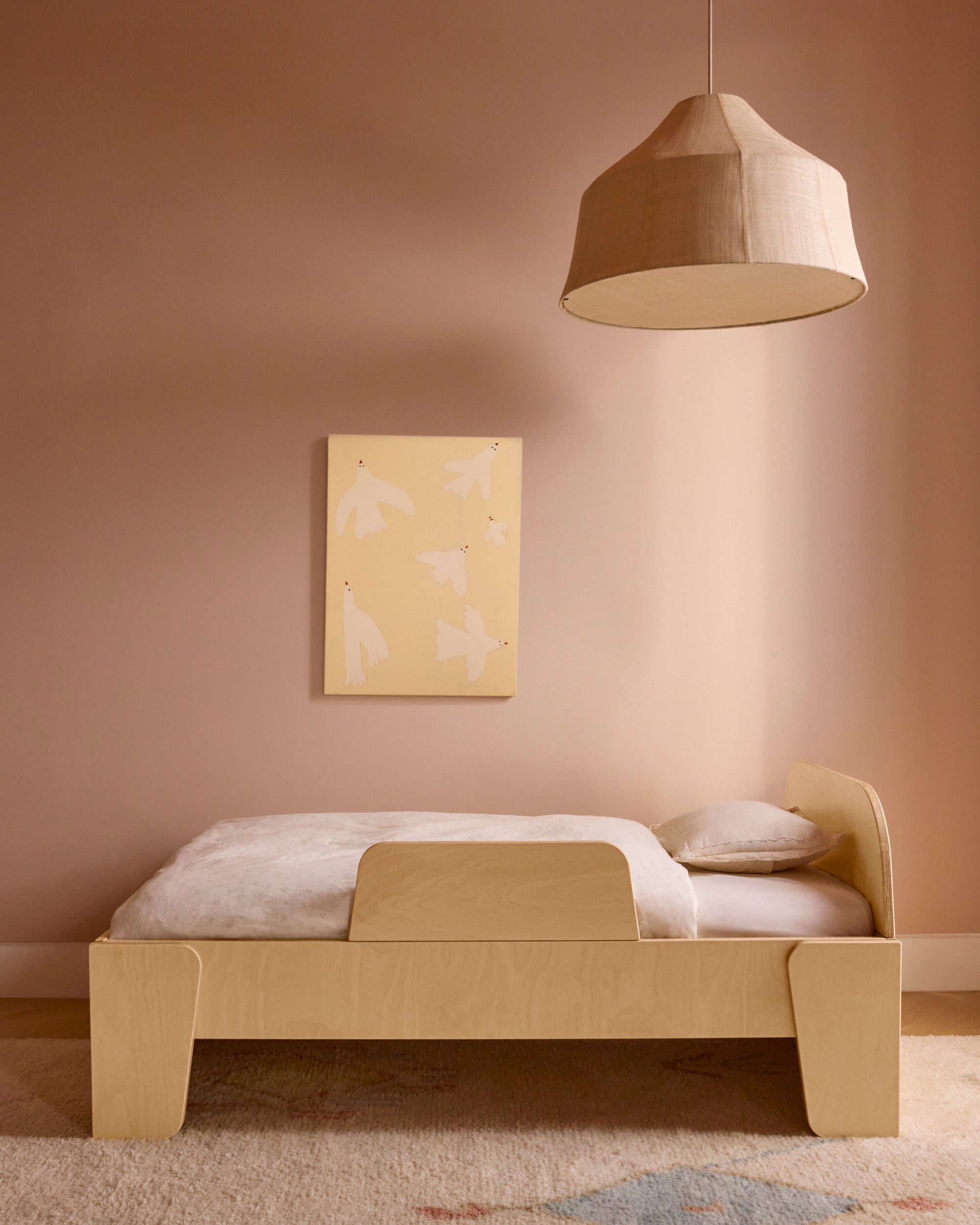
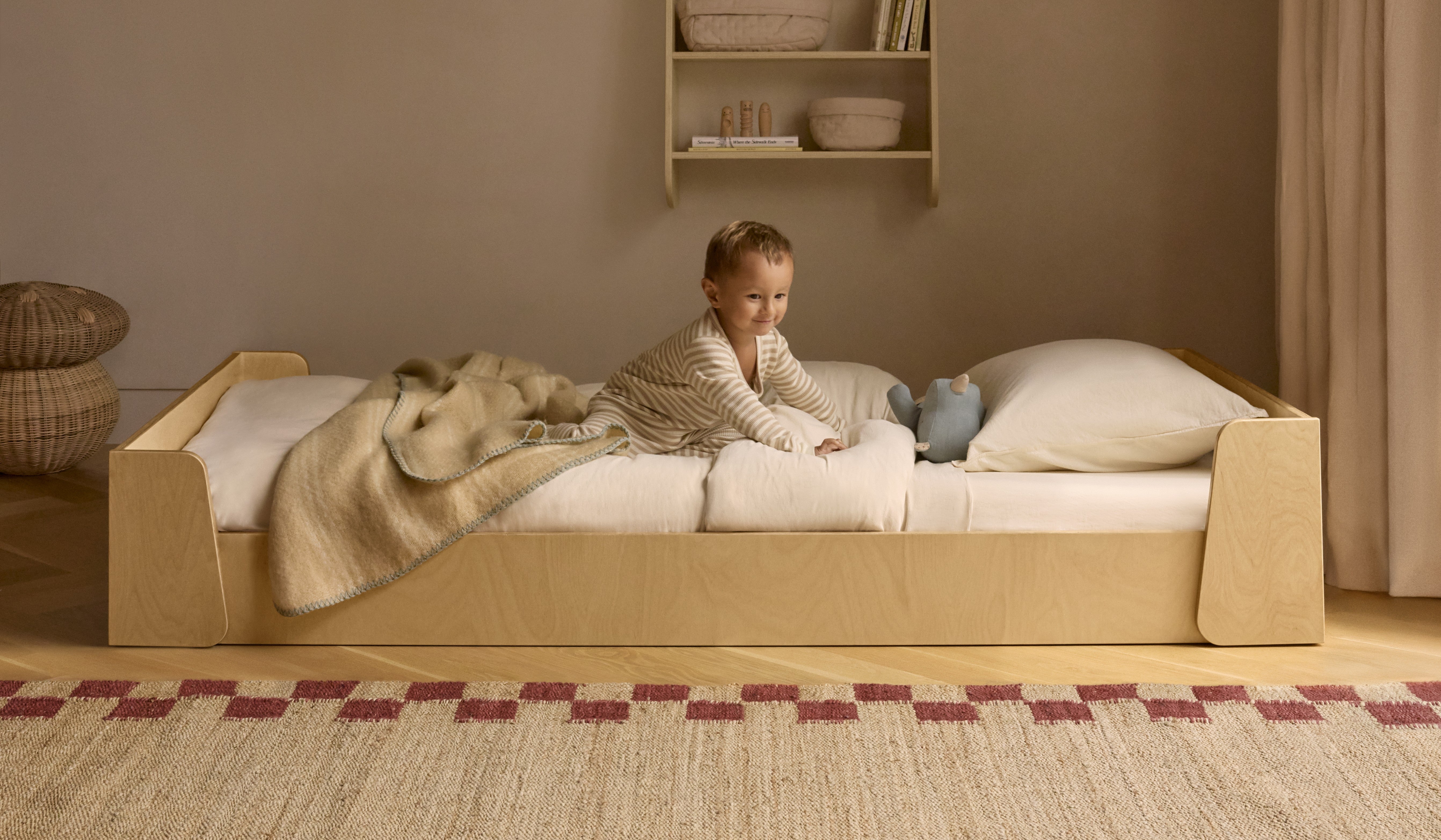
You can involve them in choosing the bed, bedding, a special pillow, or blanket—make it something they’re excited about and feel ownership over. Then gradually transition them, which may mean one of you falls asleep next to them for a while before slowly moving out of the room.
Want more sleep tips? See a pediatrician's recommendations on sleep for babies and toddlers.
About Dr. Natalie Barnett
 As the VP of Clinical Research at Nanit, Dr. Natalie oversees research on pediatric sleep and parental health and well-being. She holds a Ph.D. in Genetics from the University of New England in Australia and a Postgraduate Certificate in Pediatric Sleep Science from the University of Western Australia. Natalie was an Assistant Professor in the Neurogenetics Unit at NYU School of Medicine before joining Nanit.












Leave a comment
This site is protected by hCaptcha and the hCaptcha Privacy Policy and Terms of Service apply.