

How to Shop for Furniture Made of Quality Wood
Shopping for wooden furniture is a confusing endeavor. Misnomers, claims, and synonyms abound. What is the best type of wood for furniture? Discover the most common types of wood and which are the best for your needs.
At Piccalio, we believe that creating heirloom-quality furniture is well worth the effort. Furniture that stands the test of time is not only a better investment, but it also helps create a brighter future. Here's what you need to know about wood varieties in furniture, which wood types are best, and which to avoid.
Different Types of Wood for Furniture
Among the types of wood used for furniture, there are a few main categories.
Hardwoods
When most people think of "real wood" or "solid wood", they're thinking of hardwoods and softwoods. Hardwood comes directly from deciduous trees. A short manufacturing process turns whole trees into natural wood boards.
Hardwood is different from softwood because it is more resistant to scratches and dents.
Some popular choices of hardwoods for making furniture include:
Walnut
Known for its rich color and natural beauty, it often has a straight grain pattern. You can find both European and North American varieties, which are popular. It's an excellent choice for high-quality furniture.
Beech
European Beech is a gorgeous, light-colored wood known for its fine wood grain.
White Oak
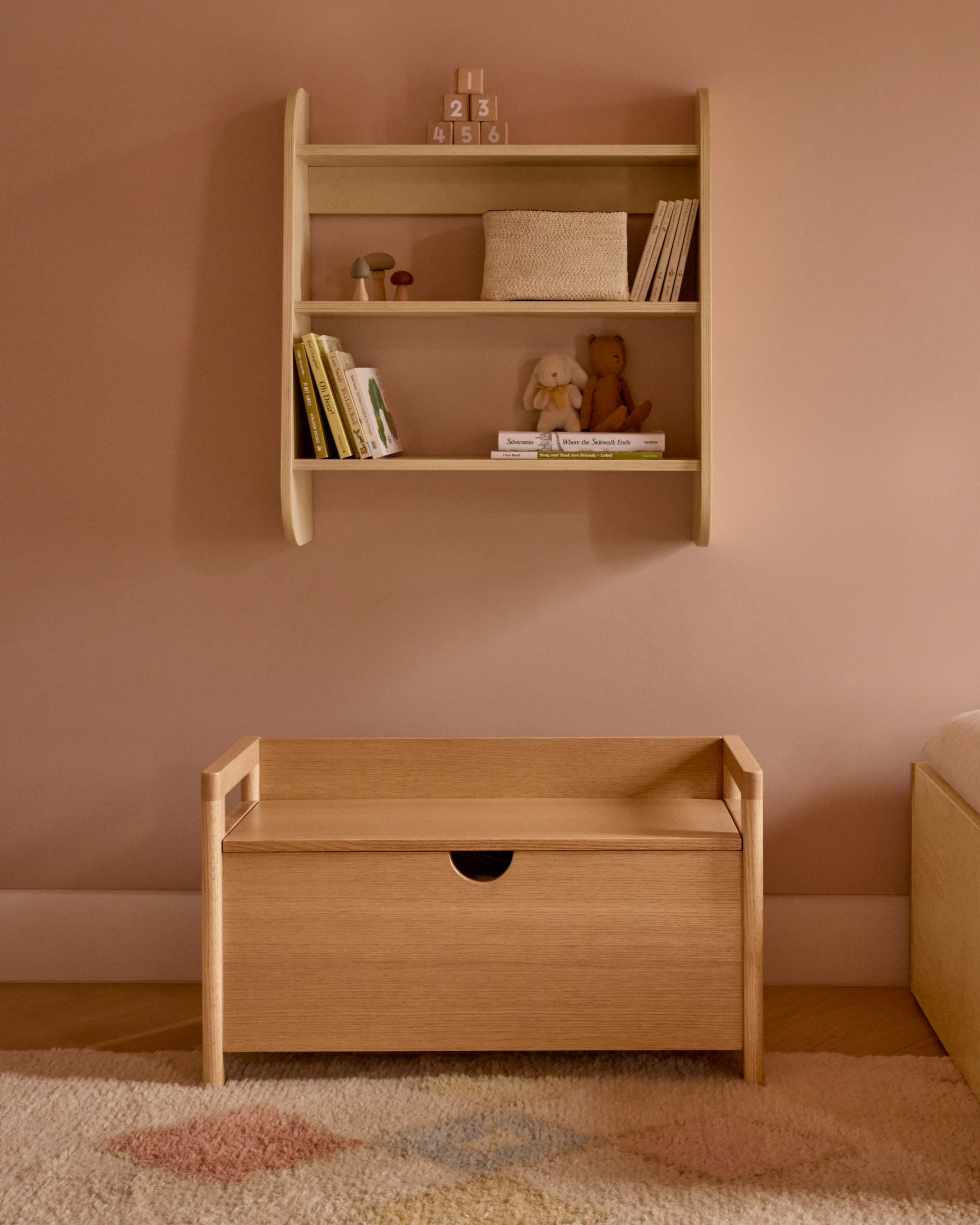
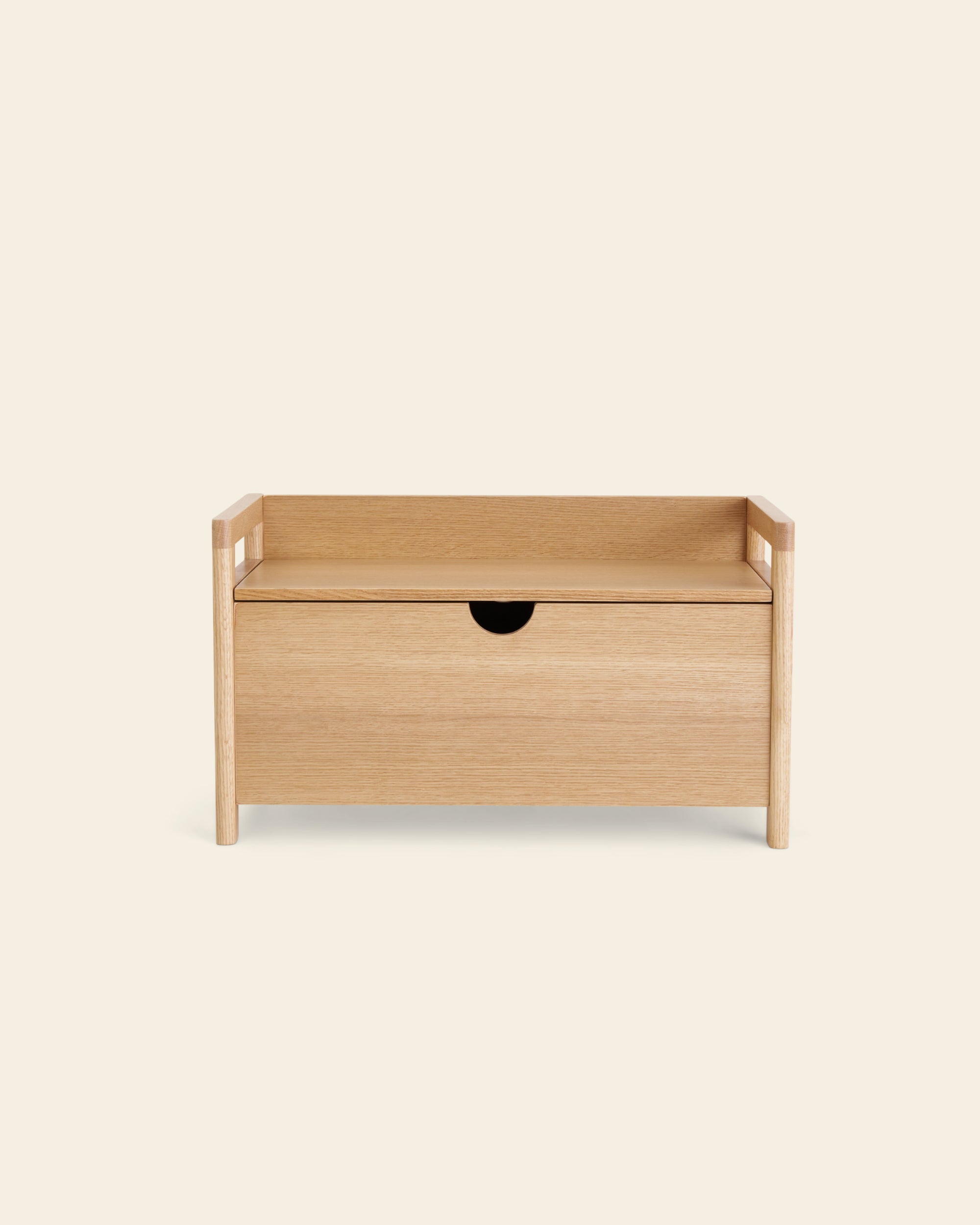
With a similar hardness to beech, white oak has an attractive olive tone. White oak is durable and also has a coarse grain with visible rays in golden to dark brown.
Softwoods
Softwoods include natural wood from coniferous trees, such as pine, cedar, and spruce. Similar to hardwood, softwood trees are turned into natural wood boards. Often more budget-friendly than hardwoods, softwoods offer beautiful, smooth surfaces that are easy to work with.
On the downside, softwoods are often more easily damaged by scratches, dents, and general wear and tear.
Engineered Woods
This category consists of artificial wood made from leftover wood materials like sawdust or wood chips and binding or adhesive agents. A few common engineered woods you may be familiar with include:
- MDF
- Particle board
- Plywood
- Engineered hardwood
Each of these engineered woods has unique properties. Popular for their affordability when compared to hardwoods and softwoods, they also come with some drawbacks.
What is MDF?
MDF, which stands for "Medium Density Fiberboard," is an engineered wood made of wood fiber, glue, water, and wax. While it has excellent qualities for cutting and shaping, it doesn't hold nails and screws as well as other options.
MDF is a popular, low-cost material for furniture making, typically used to make fast furniture. However, you don't often see the MDF boards directly. Most pieces cover MDF with a wood veneer, laminate, or paint.
Unfortunately, MDF has some downsides. Particularly, the use of chemicals during fabrication means it off-gasses some harmful VOCs like formaldehyde. MDF is associated with high levels of formaldehyde and benzene. Both of these VOCs are known carcinogens and are also related to other health concerns.
Another factor is its lifespan, which is about 10 years at best. MDF quickly degrades, especially when exposed to water.
Plywood
Plywood is another popular type of engineered wood. Known for its durability, plywood is created by gluing stacks of veneers, or thin slices of wood, together. Not all plywood is the same. Some types use a variety of woods, including "filler" plies, or lower quality varieties sandwiched between higher quality plies.
Baltic Birch (Birch Plywood)
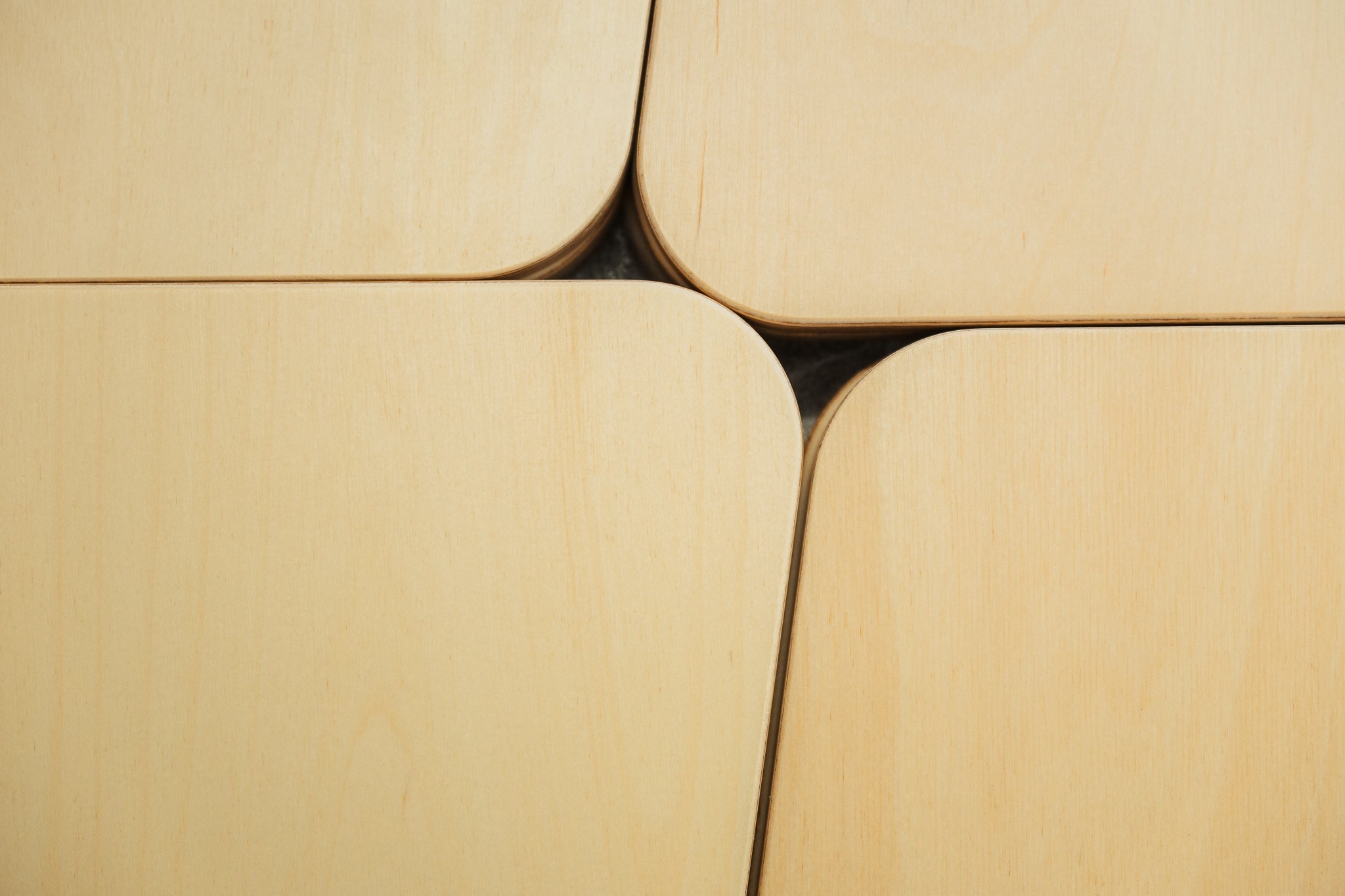
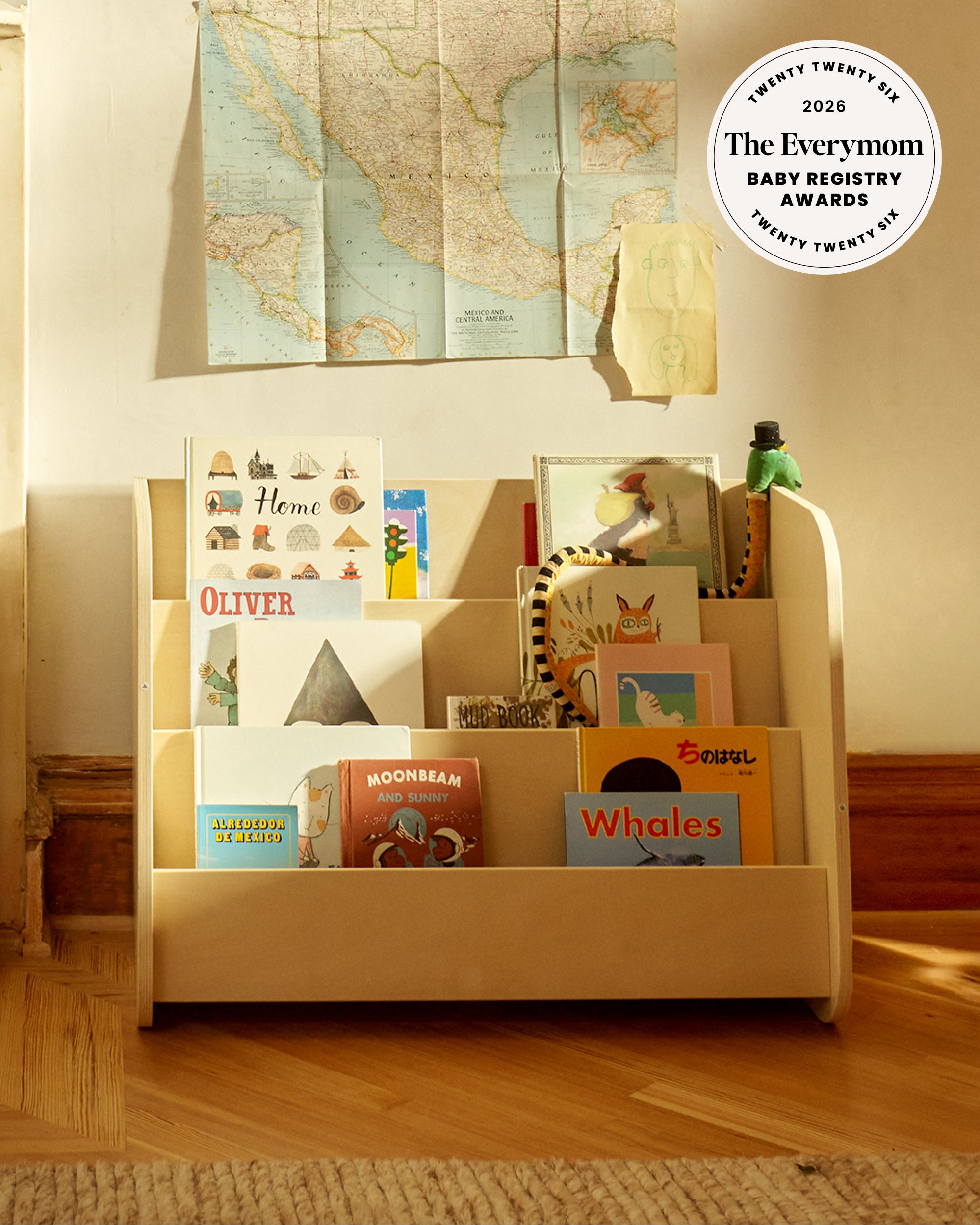
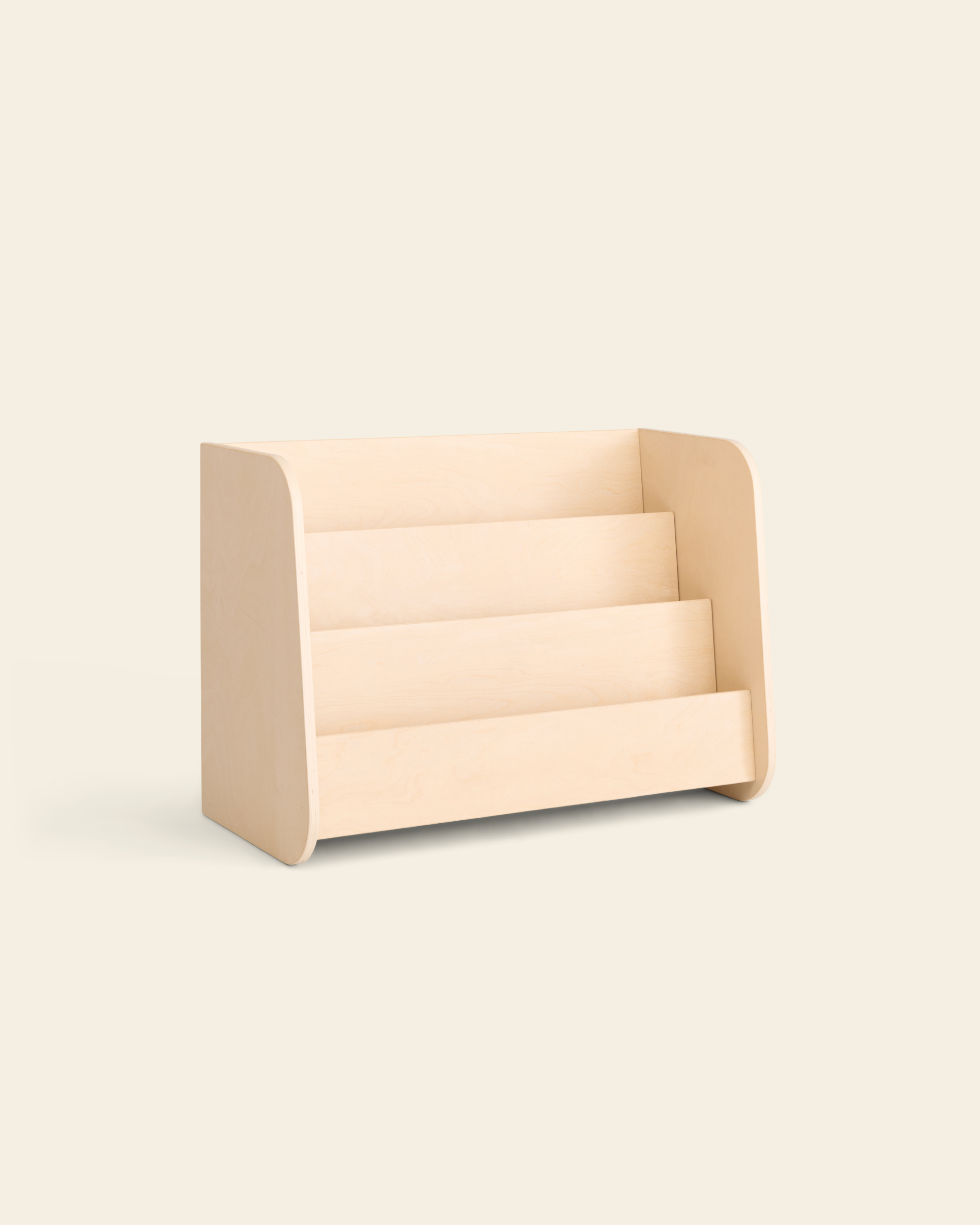
Baltic Birch is a popular, high-quality plywood made of 100% baltic plies. Because the wood is all birch, it has excellent structure and holds screws well. Plus, it has a consistent grain, smooth edges, and looks beautiful with a natural or stained finish.
Particle Board
Similar to MDF, particle board is made with leftover wood materials. Adhesives hold together sawdust and wood chips, creating a material useful for cabinetry and other furniture items.
Particle board is lightweight, which can be a benefit for some furniture elements. However, this also means its useful life is short, typically lasting a maximum of three years.
MDF vs. Particle Board vs. Plywood
How does MDF compare to other engineered woods like particle board and plywood?
Particle Board and MDF are both made of leftover wood materials like sawdust and wood shavings. However, MDF is denser, stronger, and heavier. Particle board often has empty space between the pieces of wood.
Plywood is a higher-quality wood product made with wood sheets instead of sawdust and wood shavings. Although all three types of engineered wood contain some form of adhesive, MDF and particle board require higher amounts and more toxic glues than plywood.
What Are Wood Veneers?
Wood veneers are thin pieces of solid wood secured to a panel. For example, you might see a beautiful oak wood veneer over a plywood base.
Wood veneers offer the beauty of natural wood at a lower cost. Often offered in beautiful hardwoods like oak, walnut, and maple. Luxury options like teak and mahogany wood are other popular choices for veneers.
The Best Types of Wood for Furniture

When furniture shopping, how do you know which type of wood to pick? The main considerations include:
Quality
Overall quality refers to the beauty and durability of the product.
Longevity
Some wood products are more susceptible to rot, humidity, and wear and tear.
Chemical Safety
Wood products often produce VOCs, or Volatile Organic Compounds. Often brushed off as "new furniture smell," it can include harmful chemicals like benzene, formaldehyde, and even lead. These VOCs are often found in adhesives and finishes.
Environmental Impacts
When choosing wood products, sourcing also plays a big role. Are you getting wood harvested from clear-cut forests? Or are the forests sustainably managed? For example, FSC©-Certified wood comes from carefully managed forests, minimizing environmental impacts.
The following chart can help you weigh the options.
| Wood Type | Quality | Longevity | Chemical Safety | Environmental Impact |
| Particle Board | low | low | low | high |
| MDF | low | medium | low | high |
|
FSC©-Certified Plywood |
medium | medium | medium | medium |
|
FSC©-Certified Softwood |
medium | medium | high | low |
|
FSC©-Certified Hardwood |
high | high | high | low |
Your budget will also have an impact on your choice. That said, it's important to weigh the balance between cost and quality. An heirloom-quality piece is often a bigger investment up-front, but also lasts for many years and has higher resale value. On the other hand, inexpensive pieces can help you save in the short term, but quickly degrade and have little to no resale value.
Quality and longevity also influence environmental impacts. Although pieces made of MDF and particle board use up leftover wood products like sawdust, they frequently end up in landfills. Often dubbed "fast furniture," these lower-quality pieces are less likely to be passed down, sold secondhand, or recycled. This, plus the chemicals required in their creation, limits any environmental benefits possibly obtained by using leftover wood.
Shopping for Furniture Made with Quality Wood
When shopping for wood furniture, in addition to the chart above, you can also look for certifications. Certifications like Greenguard Gold, FSC©, and Intertek help guarantee the quality of the wood and furniture.
Wood Type
Transparent brands specify what type of wood they use in each piece of furniture. Instead of vague claims like "made of natural wood," look for details such as "New Zealand pine," or "birch plywood." This gives you more information, helping you evaluate the quality of the piece.
Greenguard Gold Certified
This certification tests products for 15,000+ compounds and VOCs. Certified products help protect your indoor air quality, limiting exposure to substances like benzene, formaldehyde, and more.
FSC©- Certified
FSC©-Certified wood comes from sustainably managed forests. The program limits the environmental impacts of wood products by protecting forests. Instead of logging indiscriminately, companies must also plant trees and use sustainable forestry practices.
Piccalio's Commitment to Quality Furniture
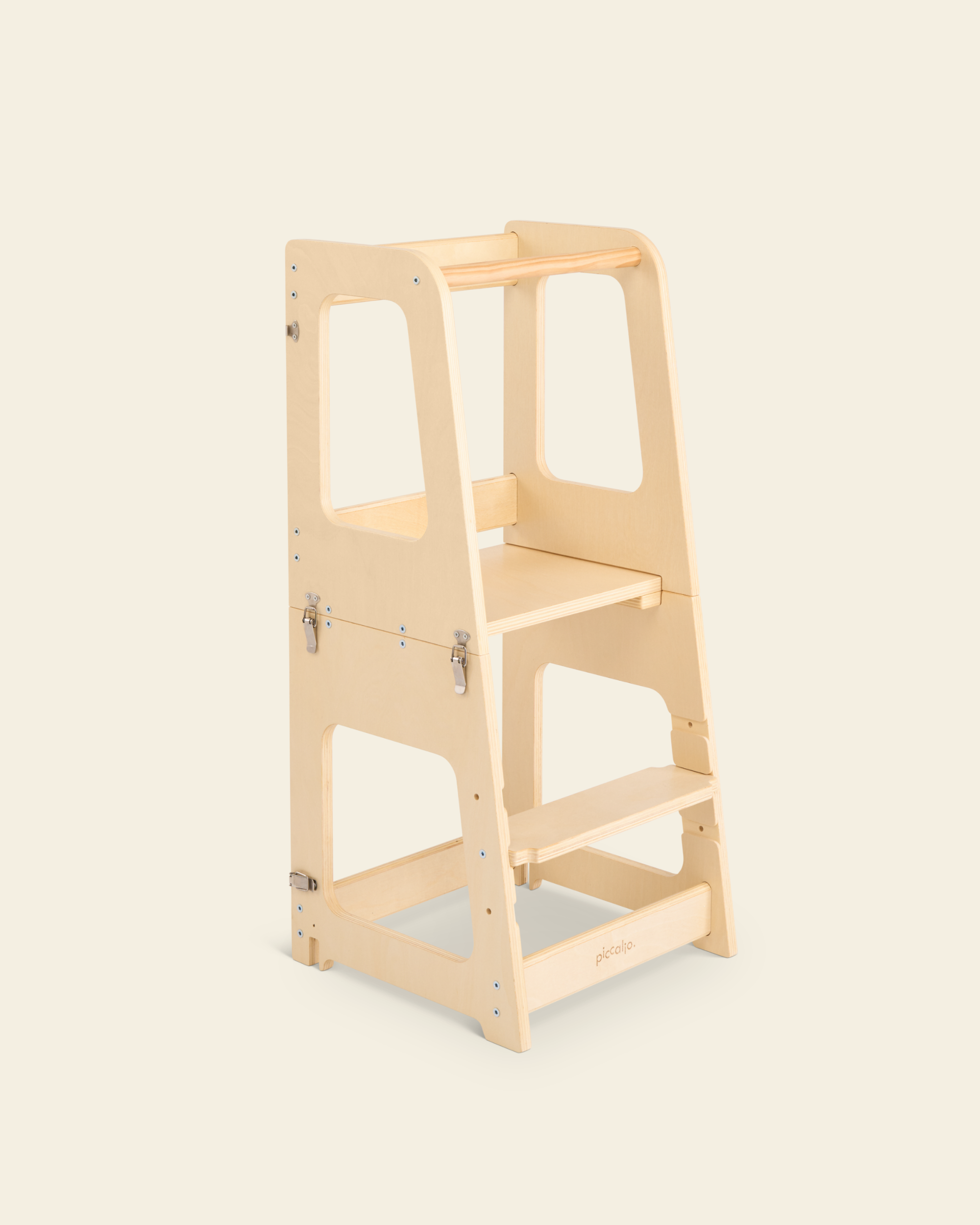
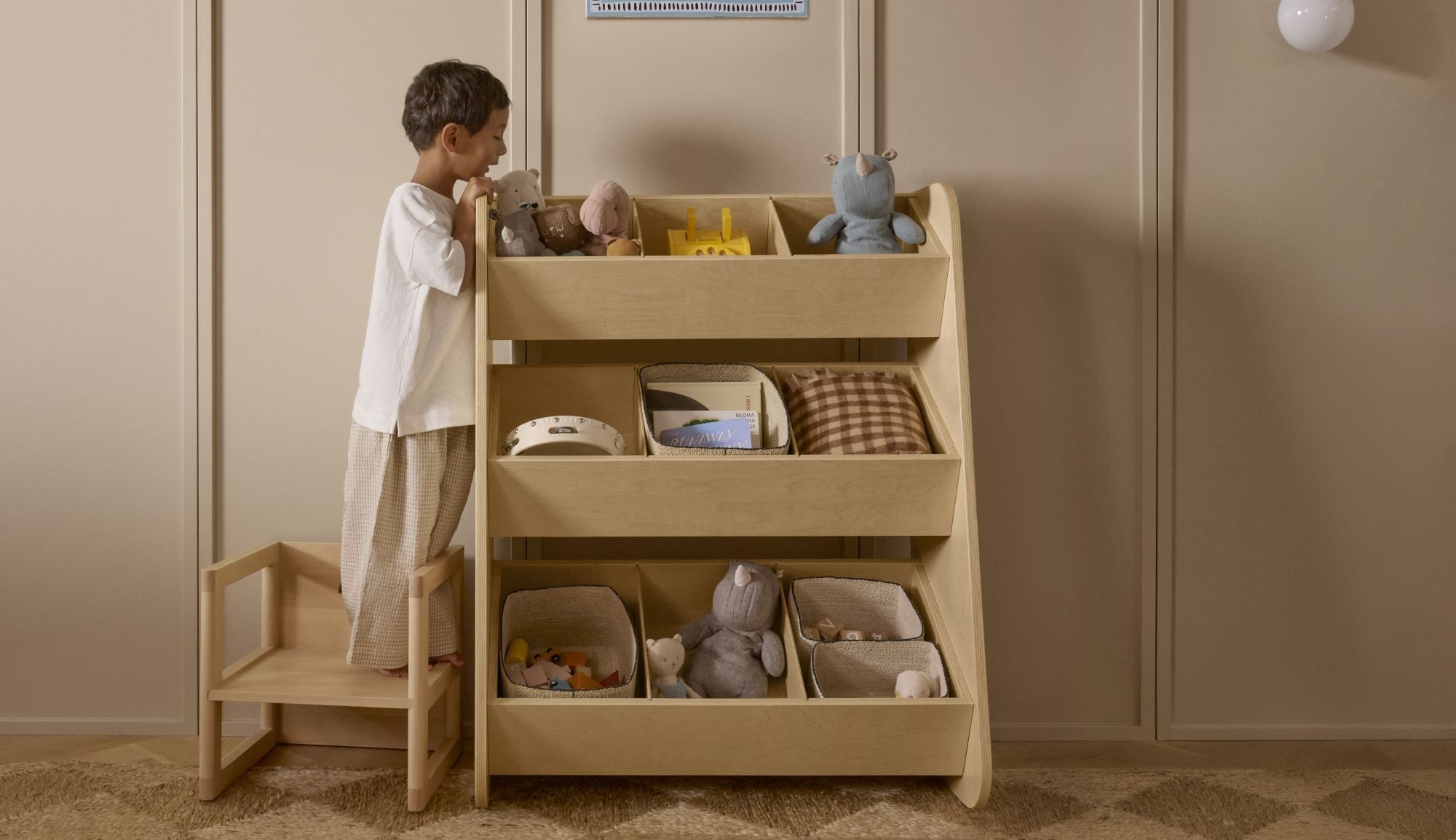
At Piccalio, we prioritize beautiful design, quality, and environmental sustainability. All the wood we use is FSC©-Certified. Additionally, we choose durable wood that is also beautiful, such as birch plywood, European solid beech wood, oak wood, and New Zealand pine wood.
We also believe that furniture can be made without harmful chemicals. Our pieces are also Greenguard Gold Certified, helping you keep your home safe.
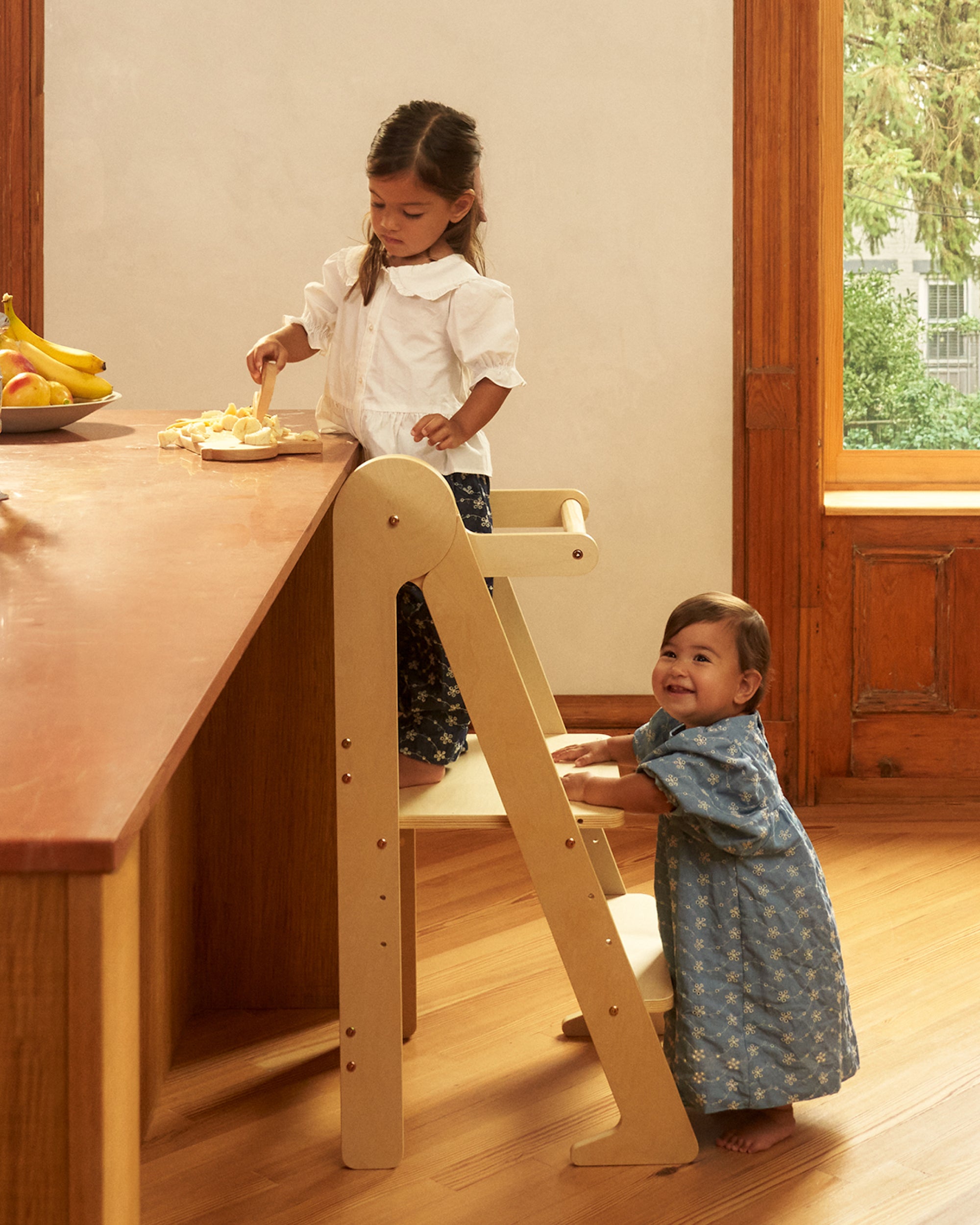
Discover our bestselling quality wood furniture for children—good for you, your kids, and the planet.









Leave a comment