


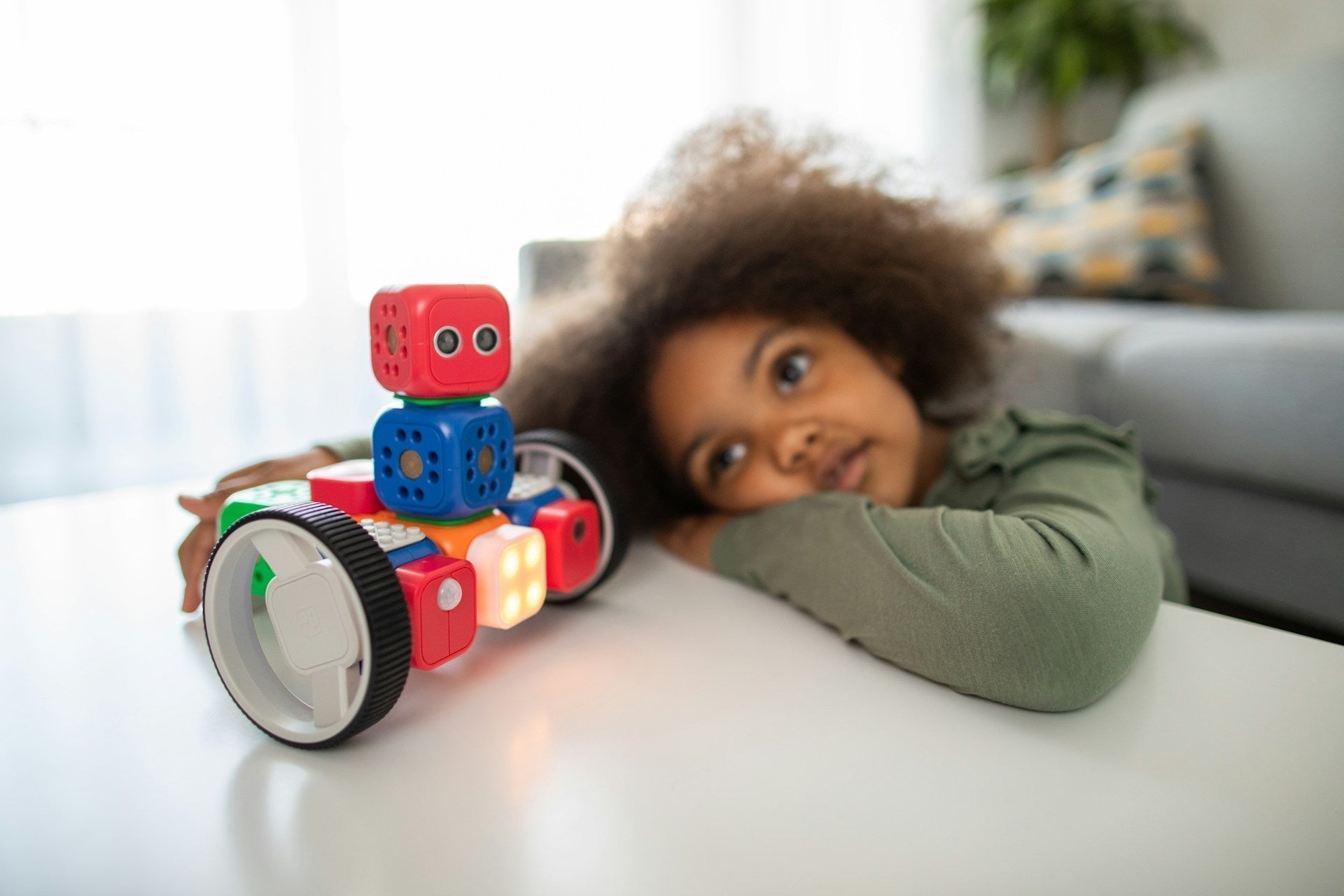
AI Toys in 2026: Key Considerations for Parents
Artificial intelligence toys, like conversational stuffed animals and smart robots, are quickly growing in popularity. You might find AI toys on holiday wish lists for friends and family, or even on your own child's list. Despite the excitement, many wonder if AI-powered toys are safe for children.
To learn more about the potential benefits and risks of AI toys for young children, I spoke with licensed psychologist Dr. Hannah Samaha, PhD, who specializes in child psychology, and clinical child psychologist and parenting coach with 25 years of experience, Dr. Marcy Atkins.
What Are AI Toys?
AI toys for kids are toys powered by generative AI models created by companies like OpenAI or Anthropic. Some AI toys are plush stuffed animals, and others are robot-like in appearance. Other toys like coding robots may include elements of AI, while also being marketed as STEM toys.
Examples of AI Toys for Kids
The majority of AI toys designed for young children feature a conversational chatbot. Some popular examples include "Gabbo" by Curio, Miko 3 by Miko, Benny the Bear by Talkipal, and Teddy Kumma by FoloToy.
What Can AI Toys Do?
Typically advertised for children ages 3 and up, these toys claim to support learning and provide companionship. An interactive alternative to screen time, children can converse with the toy, play games, and even ask it to tell a joke. Some models "speak" several languages, while others only function in English.
Capabilities vary among AI toys. While most focus on conversation and interaction, Miko 3 also offers screen-based activities. The robot-like toy can display videos, tell stories, conduct yoga sessions, host video calls, and more. Some of these features require a subscription for full access.
Potential Risks of AI Toys for Young Children
"I try not to panic with the creation of any new technology, which is often in our nature. Child development is impacted by many factors, and parents should not panic if their child has had brief interactions with AI," Dr. Samaha said when I asked her what she thought of AI toys. That said, she has her reservations about their safety.
When I asked Dr. Samaha for her opinion about claims that these toys are educational and support learning, she explained,
"It's far too early to make claims that these toys benefit kids. Engaging and interactive? Sure. But educational? We actually know that kids learn best from human connection. At this point, I'd be more comfortable with a child watching TV than playing with an AI toy."
Dr. Atkins expressed similar skepticism,
"When we are talking about very young children during a period when relationships are literally helping construct their social, emotional, and regulatory capacities, I think we should be asking why we would introduce a technology designed to imitate those relationships before we understand the developmental consequences."

AI Toys and Relationship Building Skills
During the early years of childhood, children are building essential social and emotional skills. "Young children don't come into the world knowing how to regulate their emotions. They learn regulation through thousands of interactions with other people," Dr. Atkins stated.
Dr. Atkins also listed some examples of how this happens,
- A child becomes frustrated, and a parent helps them work through it.
- A child is afraid, and an adult provides safety while helping them tolerate the feeling.
-
A child says something unexpected, and another person reacts with a facial expression, a tone of voice, a pause, or a question.
"Over time, these back-and-forth experiences help children develop language, emotional regulation, empathy, flexibility, and social skills," Dr. Atkins asserted.
Experts say that interacting frequently with an AI toy may interfere with this skill-building. Why? The following key characteristics of AI toys for kids may be problematic:
AI Toys and People-Pleasing Tendencies
AI chatbots are famous for their people-pleasing tendencies. Dr. Dana Suskind, in an interview with Children and Screens, explained this phenomenon called "sycophancy." Instead of pushing back on an idea, AI models might say, "That's a brilliant idea!"
Dr. Samaha shared similar concerns, stating,
"AI heavily validates the opinions of the user. Real relationships involve differing perspectives, which build problem-solving and empathy. A child accustomed to their AI companion could become more frustrated in real relationships when things do not go their way."
Real relationships can be challenging, especially when compared to easy-going AI chatbots, Dr. Atkins explained:
"Children need the messiness of human relationships. They need to wait while Mom finishes a conversation. They need to realize that their brother doesn't want to play the game they chose. They need to notice that Dad looks tired. They need to tolerate being misunderstood and figure out how to communicate differently. They need to experience disagreement, disappointment, repair, and compromise."
In short, if children interact with AI toys too often, they may not develop the relationship skills they'll need when interacting with real people. As Dr. Atkins expressed, "If an AI companion consistently validates, accommodates, agrees, redirects gently, or adjusts itself to maintain the interaction, I worry about what children may begin to expect relationships to feel like."
That said, children do need validation. Good parenting involves both validation and holding of limits, Dr. Atkins argues. This combination helps children with emotional development.
AI Mimics Real Life and Relationships
"This is probably one of my greatest concerns," Dr. Atkins said when I asked her about young children potentially anthropromorphising AI, or assigning human emotions, thoughts, and feelings to animals, toys, or objects.
"Anthropomorphizing is also a very normal part of childhood," she explained. "Children talk to stuffed animals, tuck dolls into bed, and worry that a toy might feel lonely. But traditionally, the child supplies the voice, thoughts, and emotions of that toy through imaginative play."
AI toys interrupt this process by responding, remembering things, and answering questions, Dr. Atkins says. This means a natural interaction with a toy turns into what feels like a real relationship.
In her practice, Dr. Atkins works with teens who are developing intimate relationships with AI in real time, which is concerning to her. "They confide in it, turn to it for emotional support, and can begin relating to it almost as though there is another person on the other side of the interaction. The lines between what is a real, reciprocal human relationship and what is an artificially generated relationship can become surprisingly blurry," Dr. Atkins stated.
For young children, it may be impossible for young children to understand that AI toys are not real. "Young children are not yet capable of differentiating AI companions versus real life," Dr. Samaha said. In extreme cases, this blurring of the lines can result in AI psychosis or exacerbate loneliness.
Retention: AI Toys Pull Kids In
If you've ever interacted with a chatbot, you know that they always respond. What's more, they often keep the conversation going by asking, "Can I help with anything else?" AI toys are no different, boasting that they offer "endless conversations." This means it's easy for children to go overboard spending time with their AI companion.
Dr. Samaha says, "excessive time with these toys would mean missed opportunities for social interaction and creativity due to boredom." Additionally, Dr. Samaha says that if children play too much with these toys, it may impact early development of social-emotional skills. "These toys could inhibit a child's pretend play rather than increase it. And children learn and practice social skills through imaginative play," she explained.
Wondering what to do when your child says they're bored? Here's a Montessori teacher's approach.
Privacy Concerns About AI Toys
Another common concern about AI toys for kids is privacy. Some of the AI toys I reviewed waited for up to 10 minutes of inactivity to turn off. During this time, the toy is still "listening," which means the toy may hear conversations without you intending it to.
More importantly, young children struggle with discretion, especially if they've built what they feel is trust with the AI toy. Because children can't differentiate between AI companions and real life, Dr. Samaha warns that "Families should expect that their young child's conversations are unfiltered."
Tech companies almost always claim that they prioritize safety and privacy. However, they may also use your child's conversations to train their AI models, or even share the data with third parties.
AI Toys and Appropriate Topics for Kids
Most AI toy companies claim their models are safe for children. However, researchers and testers find it easy to get the toys to talk about inappropriate topics like knives, using matches, and mature or explicit content.
In one example provided by Common Sense Media, a tester mentioned that they enjoyed jumping. Within a few interactions, the toy suggested jumping from the roof or a window with a reminder to "be safe." Needless to say, a suggestion to "jump from the roof" isn't safe for young children who tend to trust others.
Despite claims of safeguards, AI models don't always redirect or shut down inappropriate conversations. More worryingly, they may even accidentally bring up inappropriate topics. Because generative AI and AI toys are still so new, it may be some time before we know whether they are truly appropriate for children.
Alternatives to AI Toys for Kids
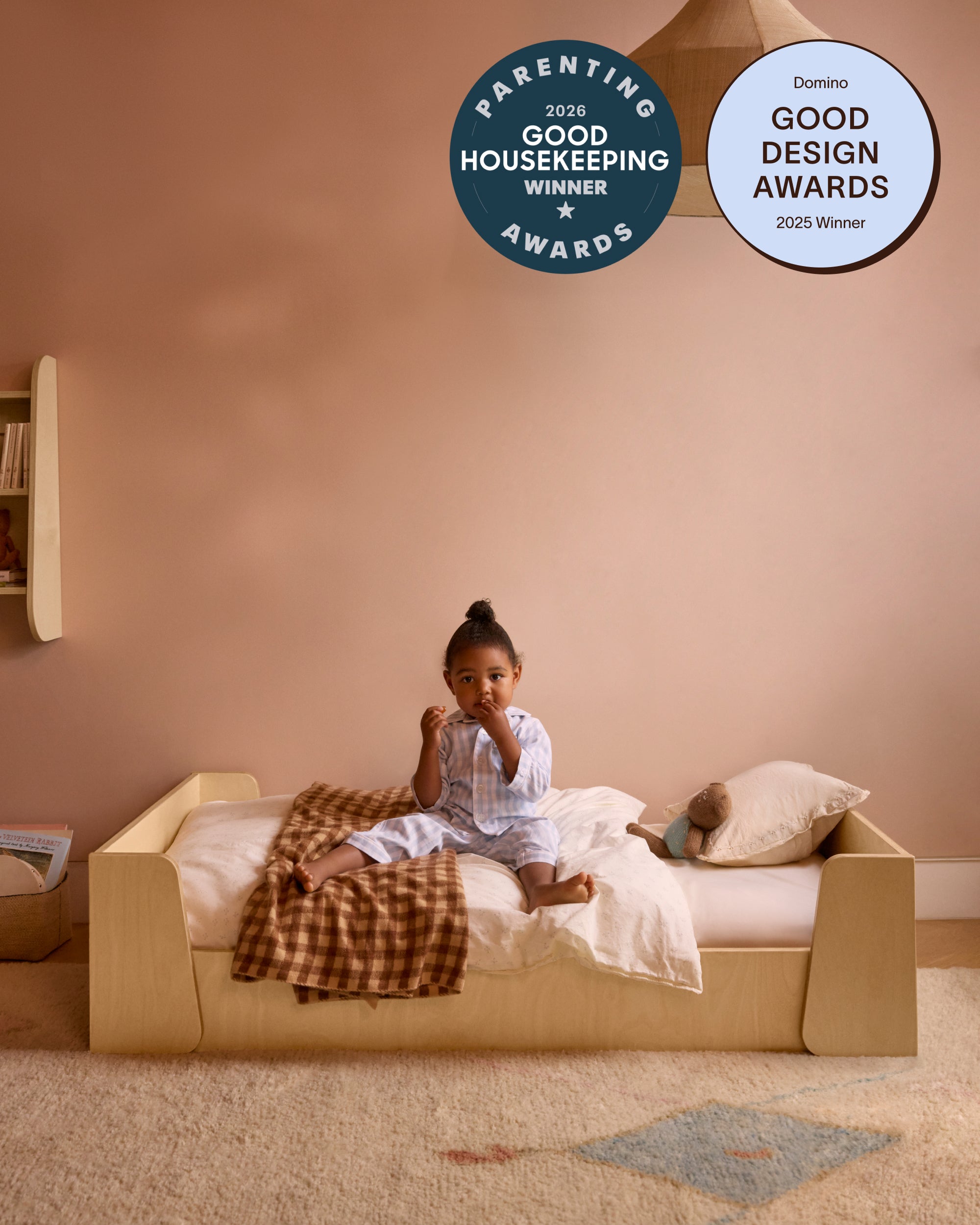
What should you do if your child wants an AI toy, but you don't think they're safe? Also, what toys are engaging and fun, but also support healthy development? Fortunately, there are many other options that pose far fewer risks but are still entertaining.
Some helpful alternatives to consider include:
Non-AI Stuffed Animals
If your little one loves the look of an AI companion, try a normal stuffed animal instead. This can inspire old-fashioned pretend play. Your child will have to imagine and create thoughts, opinions, and emotions for their plush toy. This type of play helps your child build social and emotional skills, vocabulary, concentration, and more.
Toys that Foster Active Play

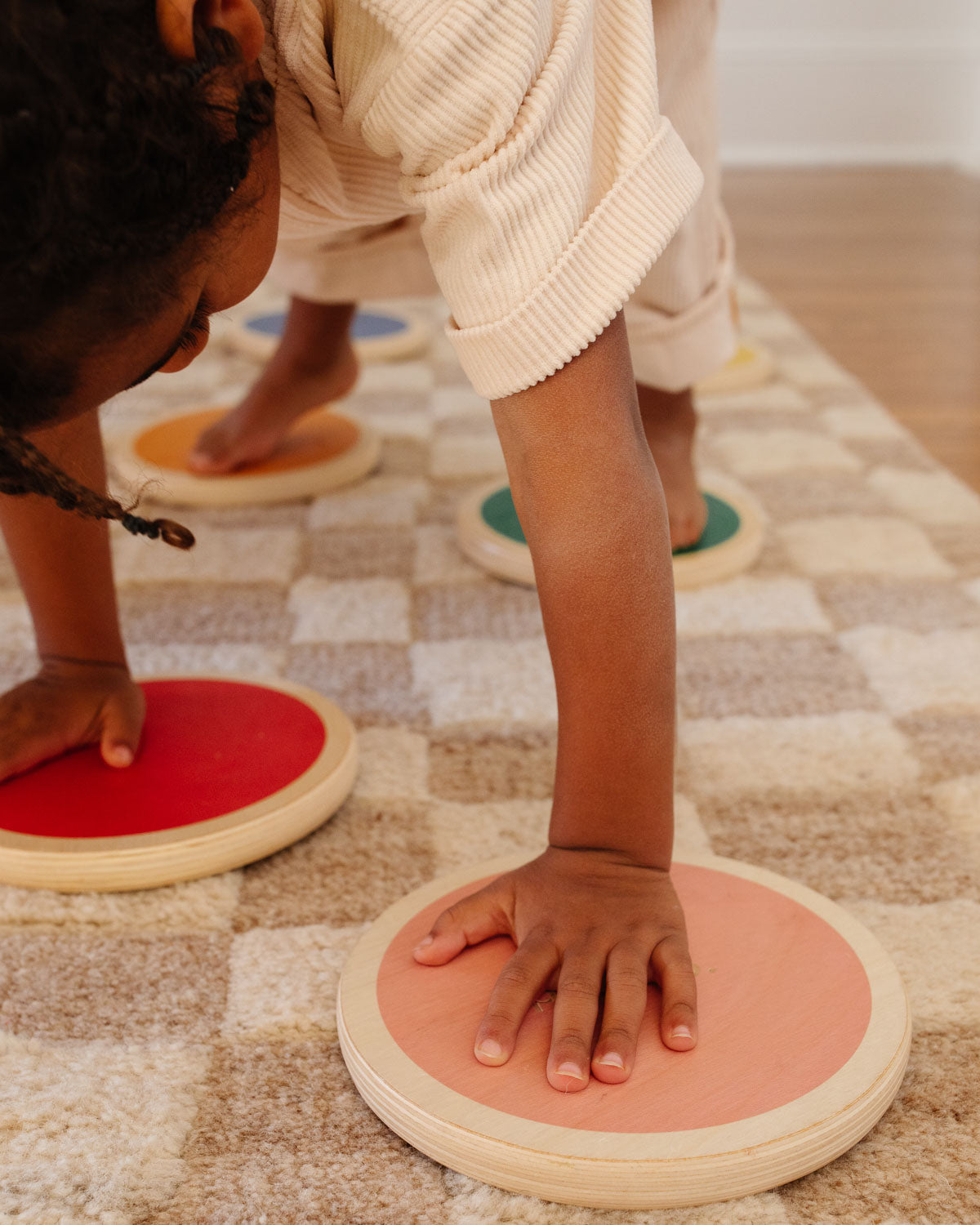
Young children need plenty of opportunities to develop their gross motor skills. That's why toddlers love climbing so much. Toys like the Piccalio Pikler Climber, Balance Beam, Stepping Stones, and Balance Board keep little ones busy and active.
Made of wood, these toys also offer multiple uses, making them ideal for pretend play. For example, the Pikler Climber can turn into a mountain or a cave. Or, children can pretend the Stepping Stones are real stones that will lead them across a river full of crocodiles.
You can make active playtime more engaging by creating an indoor obstacle course.
Montessori-Inspired Independent Activities
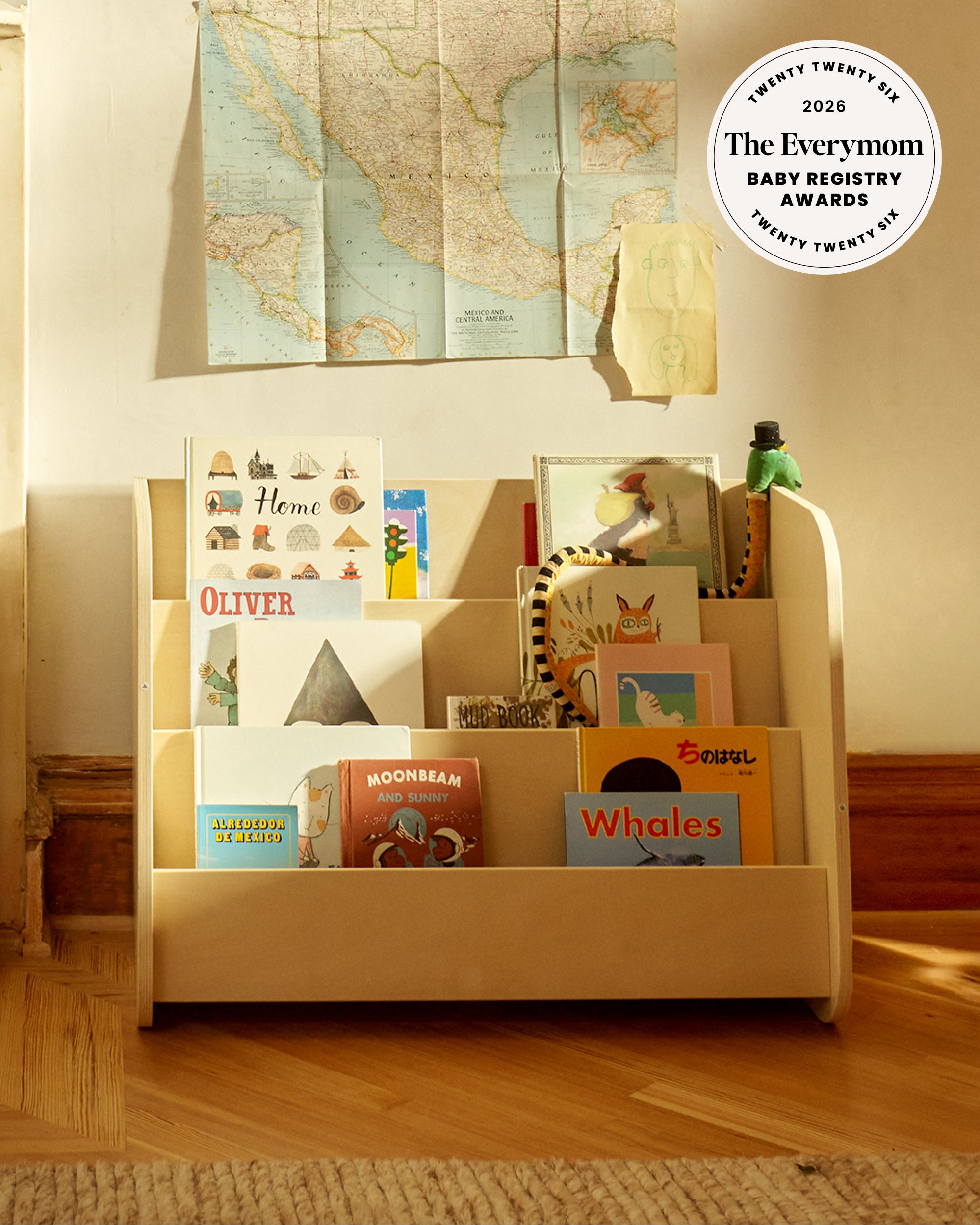
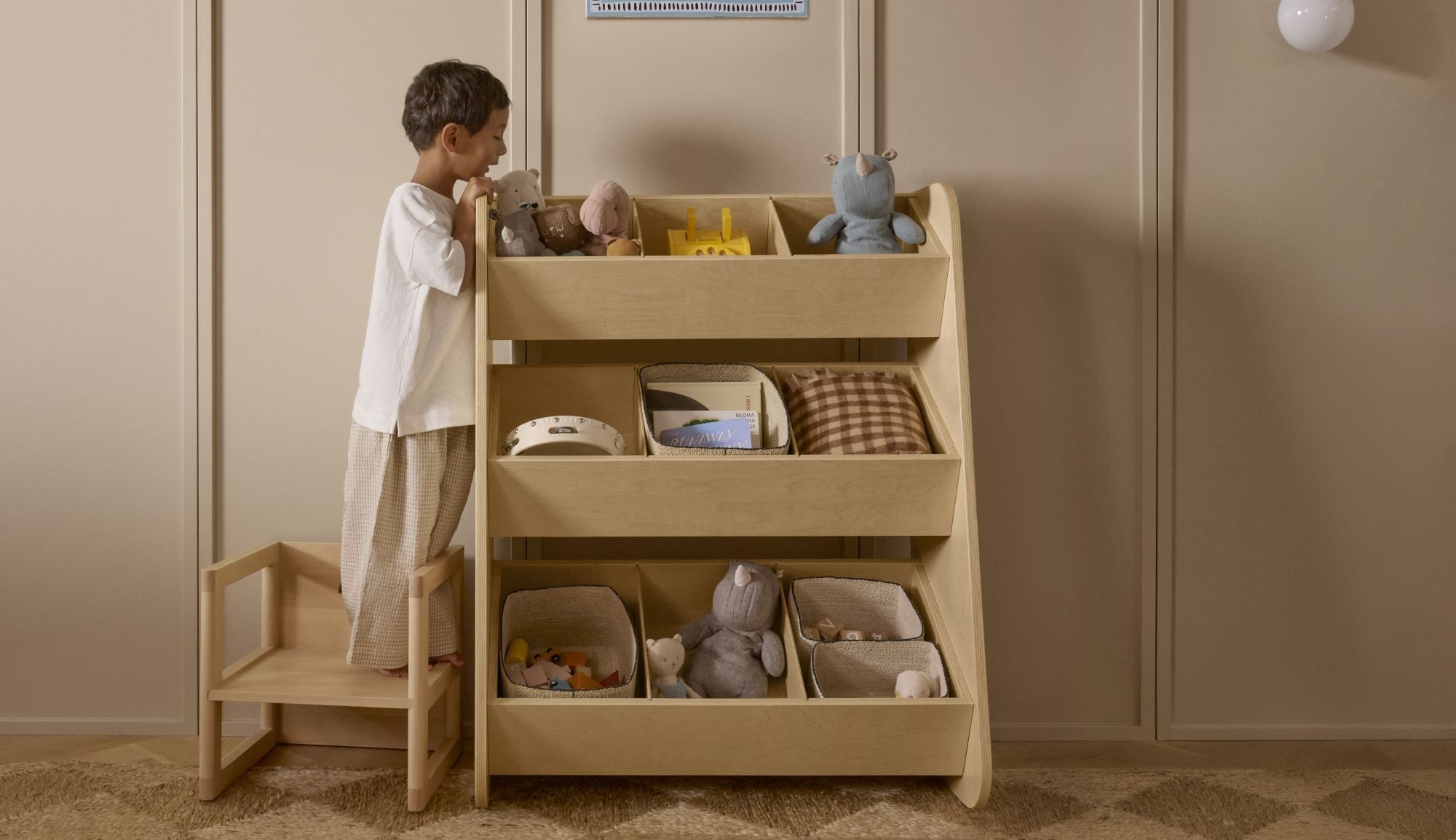
Create a Montessori-inspired space for your child to choose and enjoy activities independently. All it takes is a low Toy Shelf where you can keep supplies and materials.
For a 3-year-old, you might prepare a few baskets with arts and crafts supplies like crayons, paper, scissors, and glue. Additionally, you can set up some simple fine motor activities like spooning dried beans, threading beads on a string, or using a salt tray.
These activities encourage concentration, creativity, and skill development.
Making the Call on AI Toys for Kids
Although AI-powered toys seem exciting and engaging, there is still a lot we don't know about how they impact children. Especially for young children, it may be wise to avoid or at least limit the use of toys that use artificial intelligence.
"We have decades of research showing us that young children develop emotional regulation, social skills, empathy, flexibility, and healthy attachment through real, reciprocal relationships with other people. Those relationships aren't always easy or perfectly responsive—and that's part of their developmental value," Dr. Atkins concluded.
Many safer and more developmentally appropriate entertainment options not including AI exist for young children. So, lean into sandboxes, active play, and regular stuffed animals that inspire pretend play.
About the Experts

Hannah Samaha, PhD, is a licensed psychologist specializing in ADHD and anxiety in children, teens, and parents. She is based in Jacksonville, Florida, and is PSYPACT-authorized, which allows her to work with families across the United States. Outside of work, Dr. Hannah enjoys Pilates, bike rides, and swimming with her husband and two daughters. Follow her on Instagram or visit her website to learn more.
 Dr. Marcy Atkins is a clinical child psychologist and parent coach with more than 25 years of experience working with children and families. Her work focuses on helping parents understand the developmental and biological roots of children's behavior and using the parent-child relationship as the foundation for emotional regulation and lasting behavioral change. She is the creator of The Marcy Method and author of the forthcoming book The Meltdown Toolkit, which gives parents practical, relationship-based strategies for navigating children's biggest emotions. Follow her on Instagram or visit her website to learn more.











Leave a comment