

A Montessori Teacher Shares What All Parents Should Know About Childhood Development
Becoming a Montessori teacher had the most impact on my parenting journey, aside from my own upbringing. Much more than an educational approach, the Montessori method goes beyond the classroom. The method is useful for parents, teachers, caregivers, and anyone who works with children. Fortunately, you don't have to become a Montessori teacher to reap the benefits of this revolutionary philosophy.
Are you ready to use Montessori parenting techniques with your child? Some of the most important lessons to implement from the Montessori method are teachings about early childhood development. When you understand your child's motivations and needs, it's easier to meet them. Read on to discover life-changing facts about the Montessori method that will change how you parent.
What is the Montessori Method?
Dr. Maria Montessori was an Italian physician who lived from 1870 until 1952. One of Italy's first female doctors, Montessori later created a methodology and educational approach that's still popular today.
She created her first programs in poor neighborhoods of Rome in the early 1900s. A drastic shift from traditional schools of the time, Montessori's programs used materials and activities to teach. In her nurturing environment, children as young as three and four years old learned to read. Her learning materials encouraged hands-on learning and put children, rather than adults, at the center.
6 Facts Parents Should Know about Early Childhood Development: Montessori Insights that Will Change How You Parent
Distinctly, I remember watching my firstborn with fascination. Like watching my textbooks come to life, I could see Montessori's observations about early childhood development in action.
When he grabbed my leg as I was washing dishes, I thought about what he wanted to communicate. So, I put him on a stool and gave him a few spoons to wash too.
Later, when he would insist on doing things "all by myself!" I stepped back and let him shine. Thanks to Montessori's explanations of childhood development, I could see my child's actions in a new light.
Here are some key Montessori insights about childhood development that are especially relevant for children from birth through age six.
1. The Absorbent Mind 
Like a sponge soaking up water, Montessori saw young children's minds soak up information and knowledge. In her own words, she said, "The child has a mind able to absorb knowledge. He has the power to teach himself.”
In other words, children learn just by observing and experiencing the world around them. Montessori noticed this, especially in children between birth and 6 years of age.
One clear example is language. If you have a young child, you've noticed how they repeat a wide range of words. This happened to my son when he was in kindergarten.
He came home and said a bad word he'd heard at school. Like all young children, his vocabulary was growing exponentially, and he repeated everything he heard in his efforts to practice new words. In this instance, he learned that some words are not appropriate to repeat.
Montessori Parenting Tips
With the absorbent mind, every situation is an opportunity for learning and exploring. Montessori encouraged parents to involve their babies in everyday life. Even going to the grocery store, babies and toddlers can see new things and hear language.
Creating an enriching learning environment also helps children take advantage of the absorbent mind. Montessori believed children should be exposed to many learning experiences, especially those related to the senses. For example, touching a variety of textures, hearing music, and even tasting different foods.
2. Children Strive Toward Independence
As soon as babies are able, they work hard to become independent. From learning to sit up, crawl, and walk, babies put a lot of effort into moving without help from adults. As Montessori said, “...the child’s nature is to aim directly and energetically at functional independence.”
This drive toward independence continues into childhood. Young children often say they want to do things "all by myself!" Aside from milestones such as learning to use the toilet, young children also want to learn to complete basic tasks. For example, children want to get dressed, eat, and even clean on their own.
Montessori Parenting Tips
Give your child the chance to try completing tasks independently. As a parent, it's easy to want to step in and help your child. However, try waiting until your child asks for help.
Another tip is to plan extra time before leaving the house. This way, your child will have enough time to get dressed and put their shoes on independently.
3. Freedom Builds Responsibility and Discipline
In traditional education, teachers believe there is discipline when children follow instructions. In Montessori schools, teachers use freedom to create inner discipline. Instead of being enforced by the teacher, children follow rules joyfully because they believe in their benefit.
Also, children in Montessori environments enjoy freedom within limits. Although rules exist, children can also make their own decisions as long as they follow the rules. For example, children can choose their learning activities. Also, children can choose to enjoy a snack whenever they wish.
These freedoms help motivate children. Because they have choices, children feel excited about the work and activities they choose, resulting in deeper concentration and learning.
Montessori noticed, "I have observed that the child, on condition that he is granted the freedom to work, learns, becomes cultured, absorbs knowledge and gains experiences that become embedded in his spirit. Like seeds planted in fertile ground, they soon germinate and bear fruit."
Montessori Parenting Tips
Give your child choices in everyday life. For example, allow your child to pick out their outfits. Another idea is to give your child a variety of options for a snack. This will help your child learn to make smart, considered decisions.
4. Life Skills Are the Building Blocks of Academic Skills
When creating her education method, Montessori included a curriculum area called "practical life." This curriculum area helps children learn basic life skills such as cooking, cleaning, dressing, and more. These skills help children become more independent.
Aside from boosting independence, practical life skills offer many other benefits. While spooning dried beans or sweeping the floor, young children also build their ability to concentrate. Montessori said, “The child who concentrates is immensely happy.”
Concentration is essential for academic work as children grow. Also, practical life skills build fine motor skills that children will also use to write and perform other academic work.
Montessori Parenting Tip
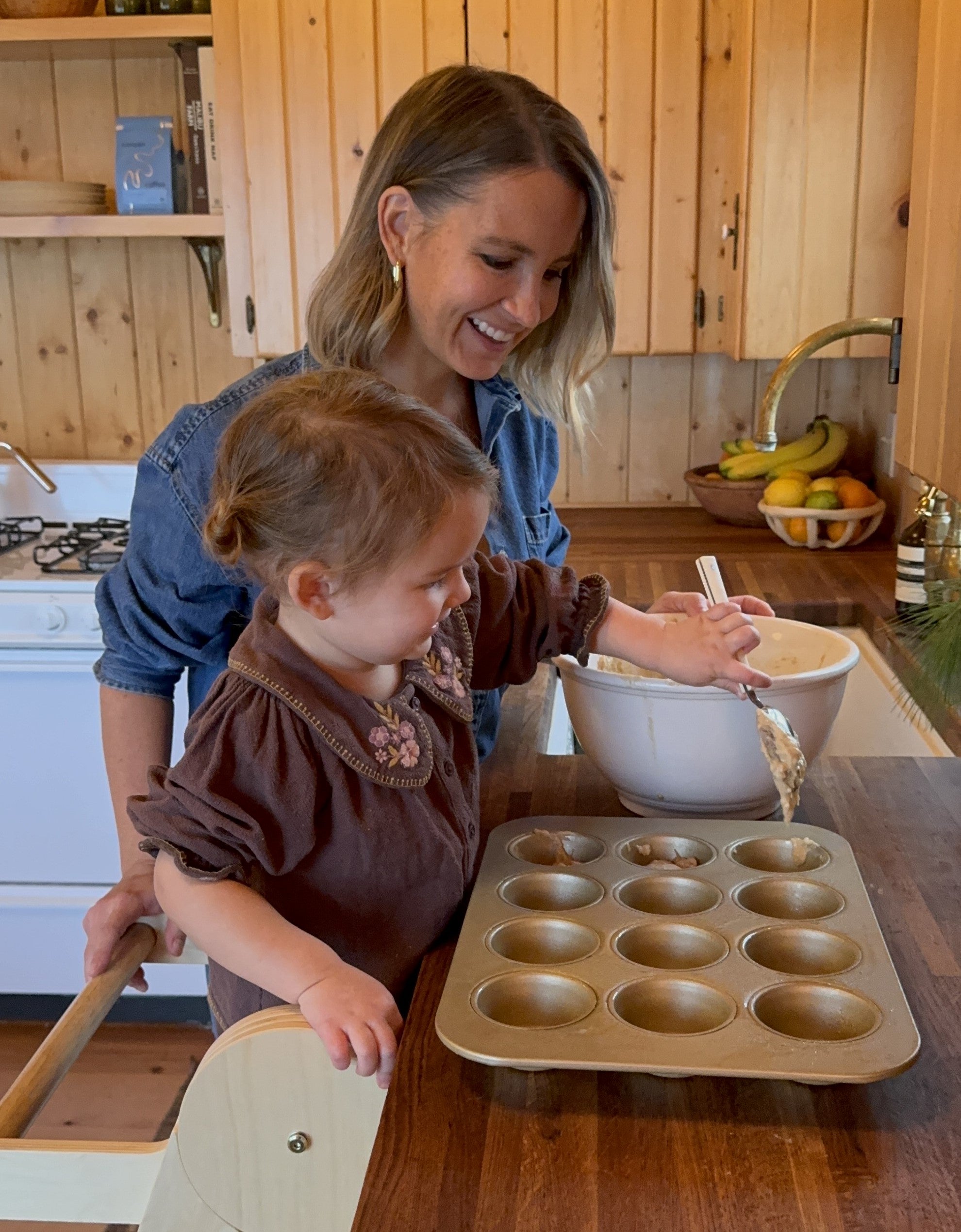
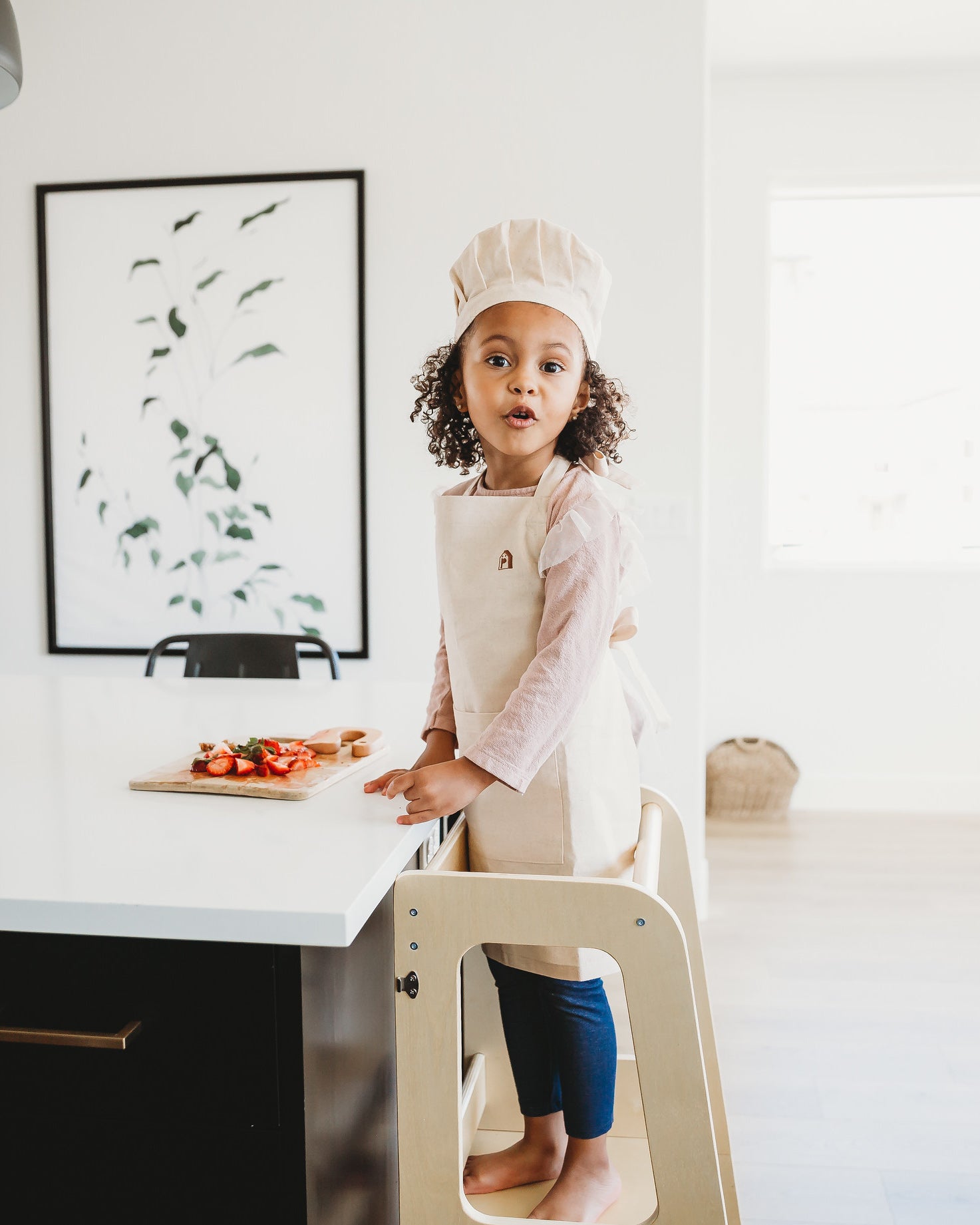
Involve your child in everyday tasks such as cleaning, cooking, and baking. When given the chance, young children can help prepare meals. Invite your child to mix, stir, and chop using a helper tower.

5. Hands-On Learning Creates Deep Understanding
Montessori classrooms are filled with learning materials. Instead of completing worksheets, you'll see children building with blocks, moving number tiles on a wooden board, or writing words with wooden letters. Montessori believed that children learn through movement.
She explained in her own words, “He does it with his hands, by experience, first in play and then through work. The hands are the instruments of man's intelligence.”
Montessori Parenting Tip
Encourage your child to be hands-on. Playing outside in the dirt, building with blocks, and washing dishes, seem like simple activities. Yet, they help your child learn by doing.
6. Follow the Child
Montessori believed that children naturally want to learn. They have an inner drive to learn to walk, talk, and even understand math. Montessori knew that each child will find their path to learning if adults nuture and support them on their path. She once wrote, "The child has his own laws of growth, and if we want to help him grow, we must follow him instead of imposing ourselves on him."
In other words, children learn on their own schedule. Instead of forcing children to learn certain skills at a certain age, adults should notice the child's interests and help them on their path to learning.
Montessori Parenting Tip
Observe your child carefully and try to understand their goals or needs. For example, when my young son wanted to play in the toilet, I saw his interest in water. So, I created some sensory activities for him to try at the kitchen sink.
Montessori Parenting Starts with Understanding Children
Your journey in Montessori parenting starts with a better understanding of children's needs. When we understand what our children are trying to communicate, we can help them reach their full potential.










Leave a comment