

The Science Behind the Benefits of Chores
In 2016, Julie Lythcott-Haim's TED Talk went viral. The former Dean of Freshmen at Stanford University and author of the bestselling book How to Raise an Adult used data from an 80-year Harvard study to support her claim that chores and later professional success are linked.
So, what happens when children do chores? Let's delve into the research that explores the benefits of chores, including the famous Harvard study.
What is the Harvard Study on Chores and Success?
Oddly enough, when you search for the "Harvard Study on Chores," there is no specific study. Usually, people refer to Lythcott-Haim's work, which explores how household chores can impact future success. In her TED Talk, Lythcott-Haim mentions the Harvard Grant Study, officially known as the "Harvard Study of Adult Development."
This study has been following Harvard students since 1938, exploring their health and happiness. Now, the study also includes some of the original study subjects' children. Additionally, the study includes control groups.
Lythcott-Haim pulls out data from this study, saying, "Professional success in life comes from having done chores as a kid, and the earlier you started, the better."
Specifically, she explains that doing chores helps children build a "roll-up-your-sleeves and pitch-in mindset." In her talk, she also advocates for parents to focus on showing their children unconditional love.
Lythcott-Haim doesn't get into the nitty-gritty of the Harvard Grant Study in her TED Talk. That said, people quickly took note of her talk as she highlighted the importance and benefits of chores.
Further Research on the Benefits of Chores
Many other studies show that chores are important for children. A research study by Marty Rossmann, emeritus associate professor of family education at the University of Minnesota, supports Lythcott-Haim's claim that chores are closely linked to professional success. Rossmann found that the best indicator of success for young adults was having done household tasks from a young age.
Beyond general success, chores also offer many additional benefits, such as boosting cognition, improving confidence, building self-efficacy, and more.

Life Skills
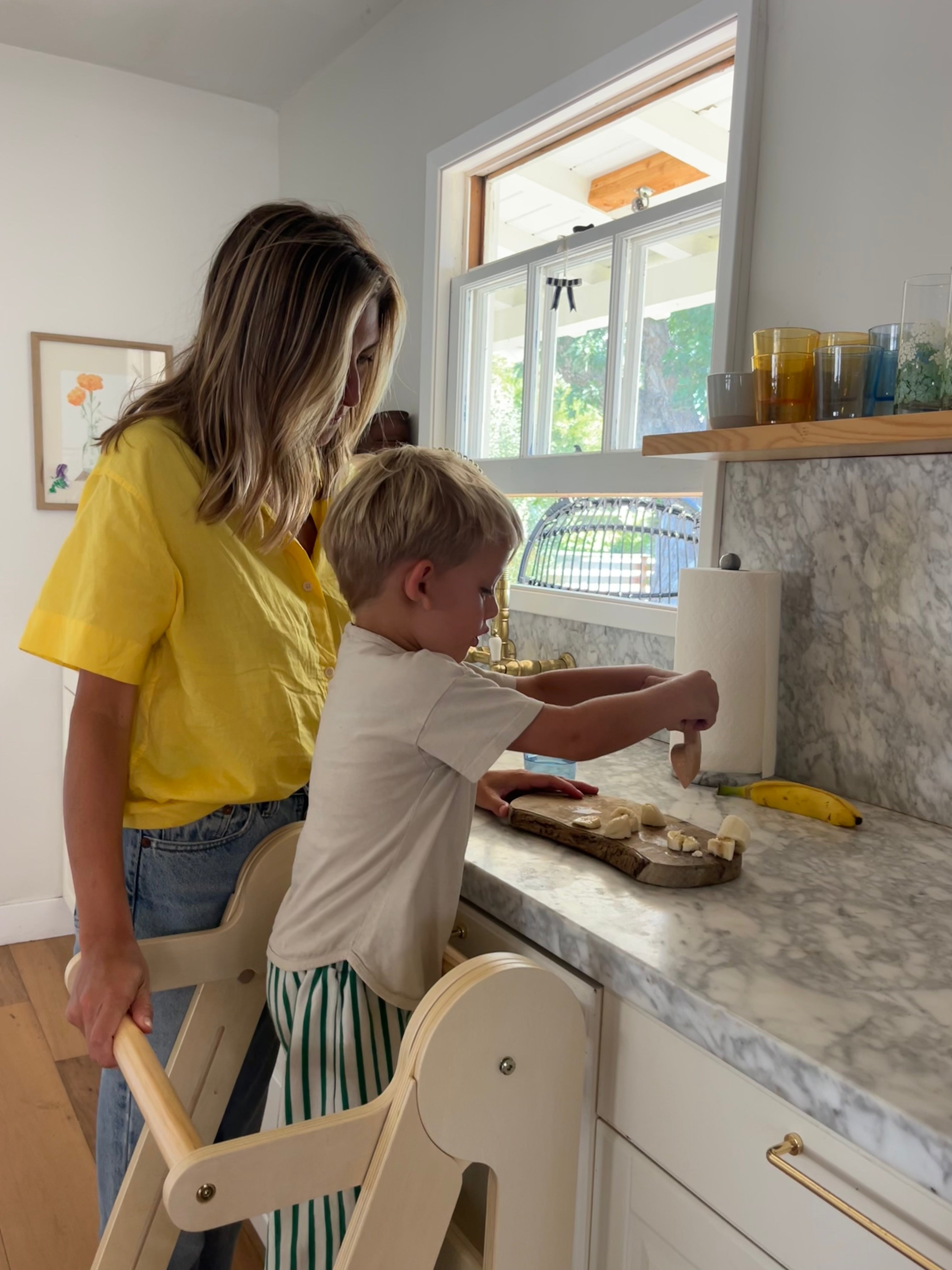
On a practical level, assigning chores means your child will build practical skills. Preparing a meal or sweeping the floor are useful skills. Maria Montessori found them so important that she created a curriculum area called "Practical Life" to teach children chores. For example, children learn to clean, make a snack, sew, and more.
Resilience
The American Academy of Pediatrics (AAP) also reports that children who do chores may be "better equipped to deal with frustration." In other words, doing chores can help your child build resilience and persistence. Chores often pose a challenge, which means your child needs to work hard to build skills. As they see improvement over time, they learn to overcome frustration.
Self-Competence
When children help with small tasks like unloading the dishwasher, they build their confidence. Self-competence means that children feel capable of completing tasks successfully.
One research study showed that children who did chores in kindergarten showed greater "self-competence, prosocial behavior, and self-efficacy" in third grade.
Boost Executive Function
Researchers found a strong connection between executive function and doing chores. Executive function is a group of skills that allow children to focus, use working memory effectively, and ignore distractions. It's possible that parents of children with good executive function may be more likely to assign chores. Yet, the relationship might be the opposite, and children build concentration and focus by doing chores.
Empathy
Harvard Graduate School of Education explains that children can develop empathy by doing chores. Helping with household tasks helps children understand how hard it is to put a meal on the table or ensure clean clothes are always ready in the dresser.
Independence
In the Montessori method, learning practical skills helps children on their road to independence. As Montessori said, "Little children, from the moment in which they are weaned, are making their way toward independence."
Helping children achieve independence fulfills a basic need and also supports strong self-esteem. When children can complete tasks independently, they feel confident and capable.
Mental Health
Research from Harvard shows that children who do chores are more likely to have good mental health in adulthood. The study also showed that holding a part-time job or joining a sport offer similar benefits. The responsibility and purpose provided by these activities may help boost mental health.
Implementing Chores in Your Home
Are you ready to introduce chores in your home? Use this helpful guide on chores from a Montessori teacher.
Sources:






Leave a comment