

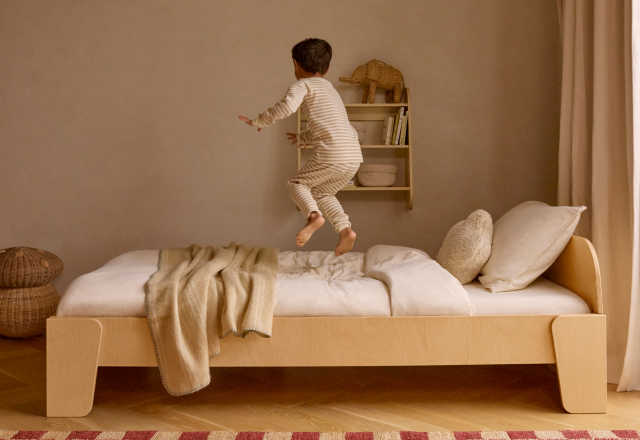
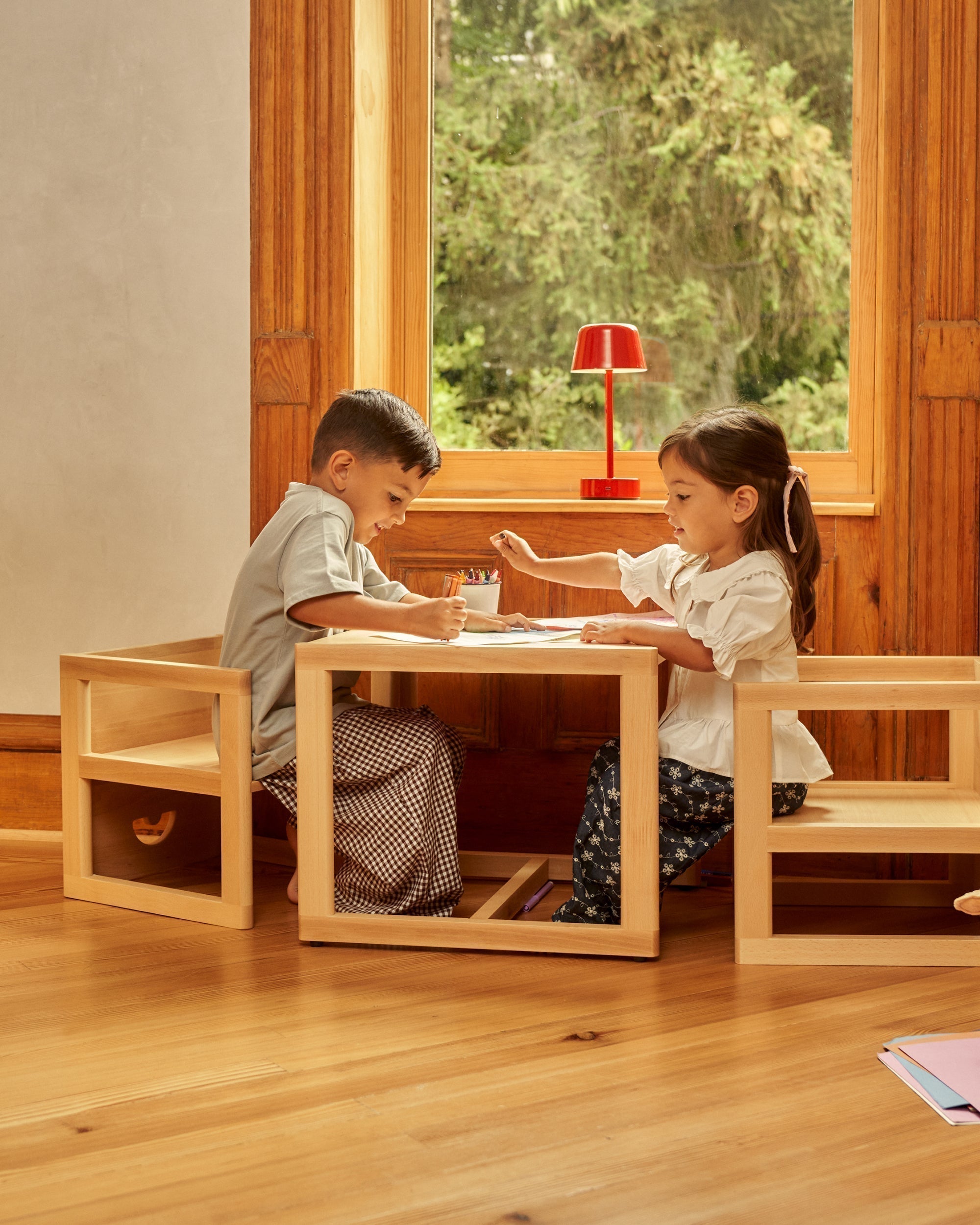
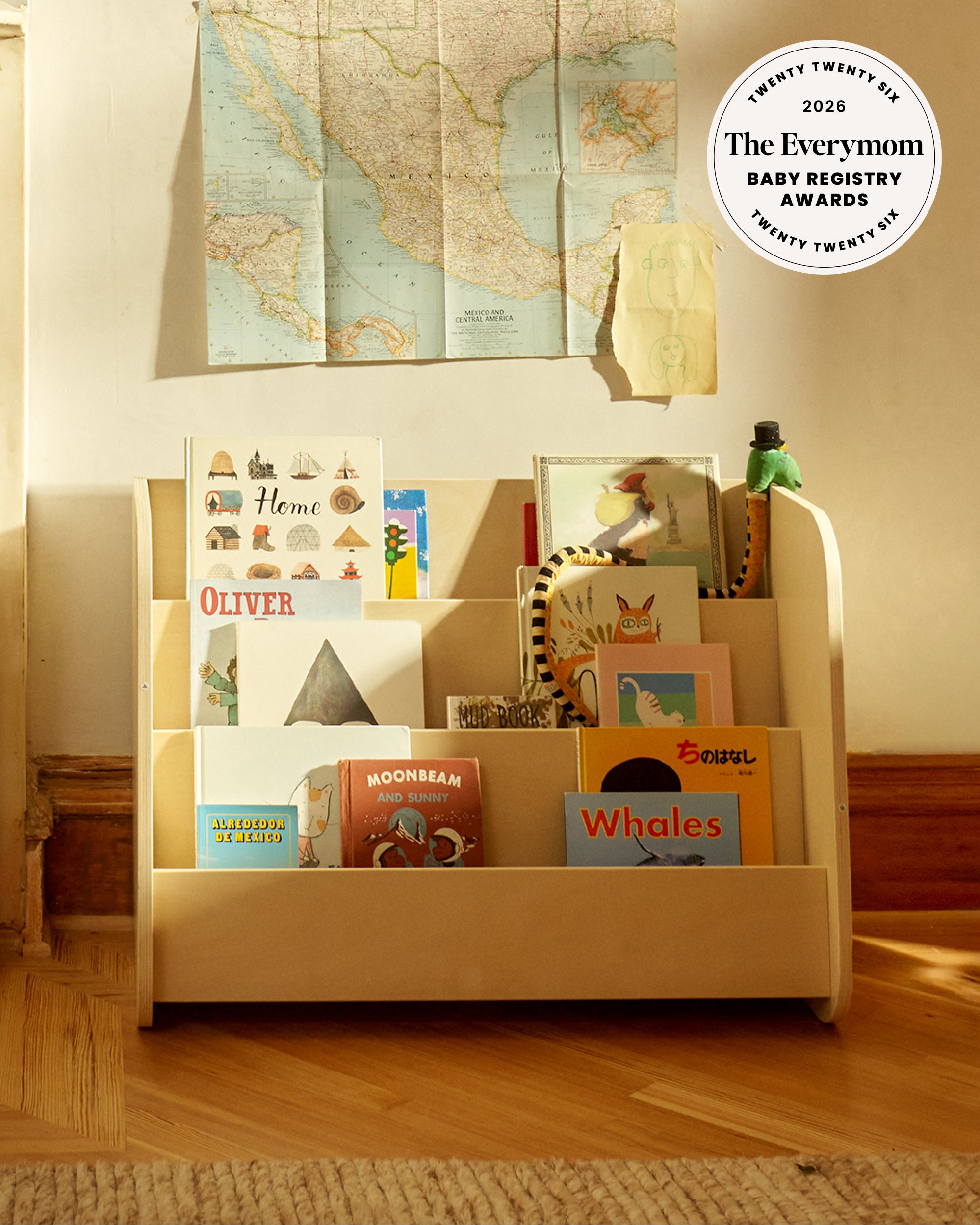
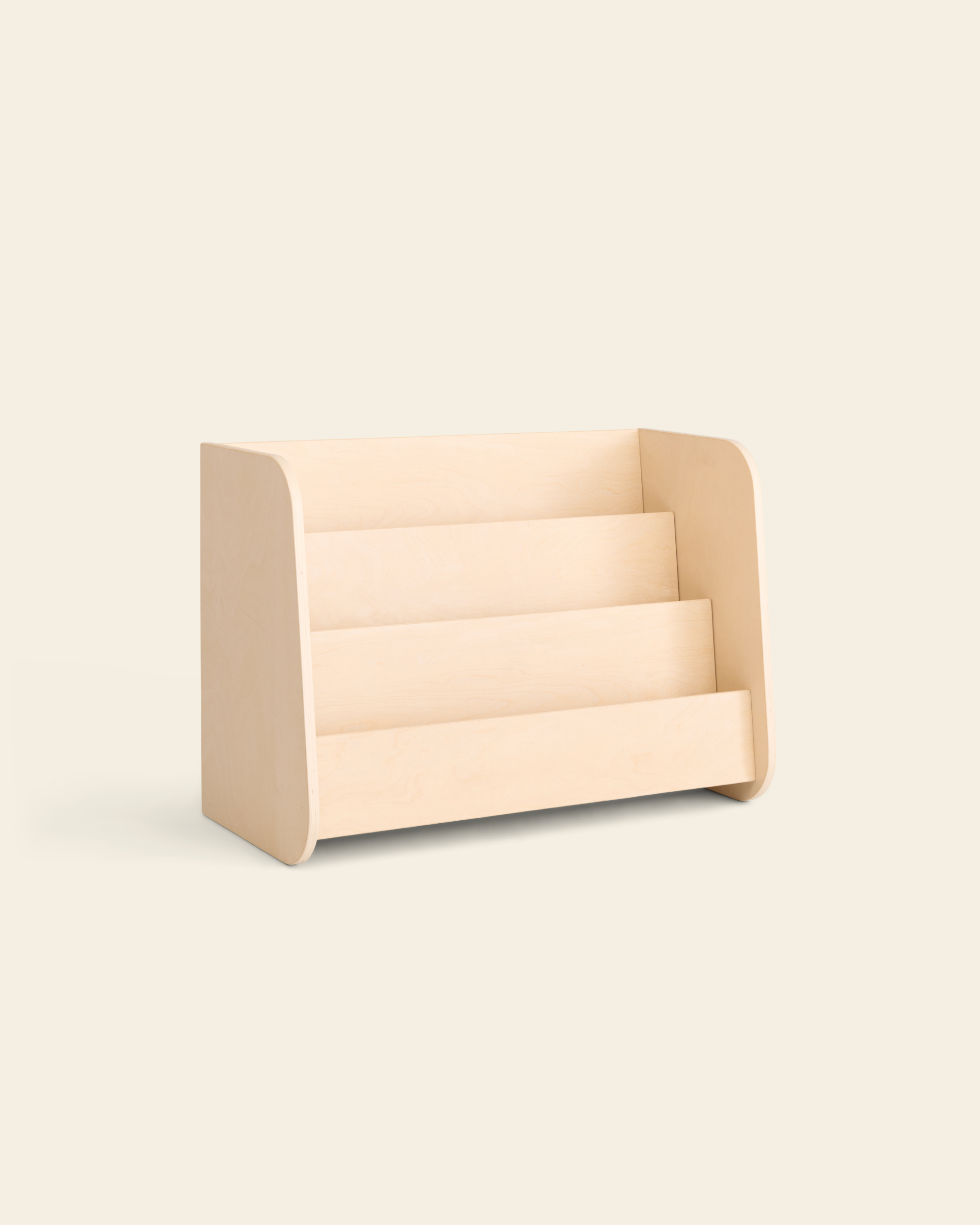
Imagine your toddler confidently selecting crayons and paper from a shelf and setting up a workspace at their table and chair set. They sit and concentrate, scribbling intently. When they’re done, they return their supplies to the shelf, push in the chair, and find their next activity.
When children are surrounded by furniture that fits their bodies and invites participation, something remarkable happens: they begin to act with greater agency, feel capable of doing things on their own, and approach daily routines with curiosity and confidence rather than hesitation.
In this guide, we’ll explore how the right kids furniture supports independence and confidence—not just today, but as your child grows and continues to explore the world around them.
What Does Independence Look Like in Everyday Moments?
Independence isn’t an abstract concept. At home, it shows up as small moments throughout your child’s day through activities and behaviors such as:
- Pulling out their own chair
- Climbing confidently into their seat
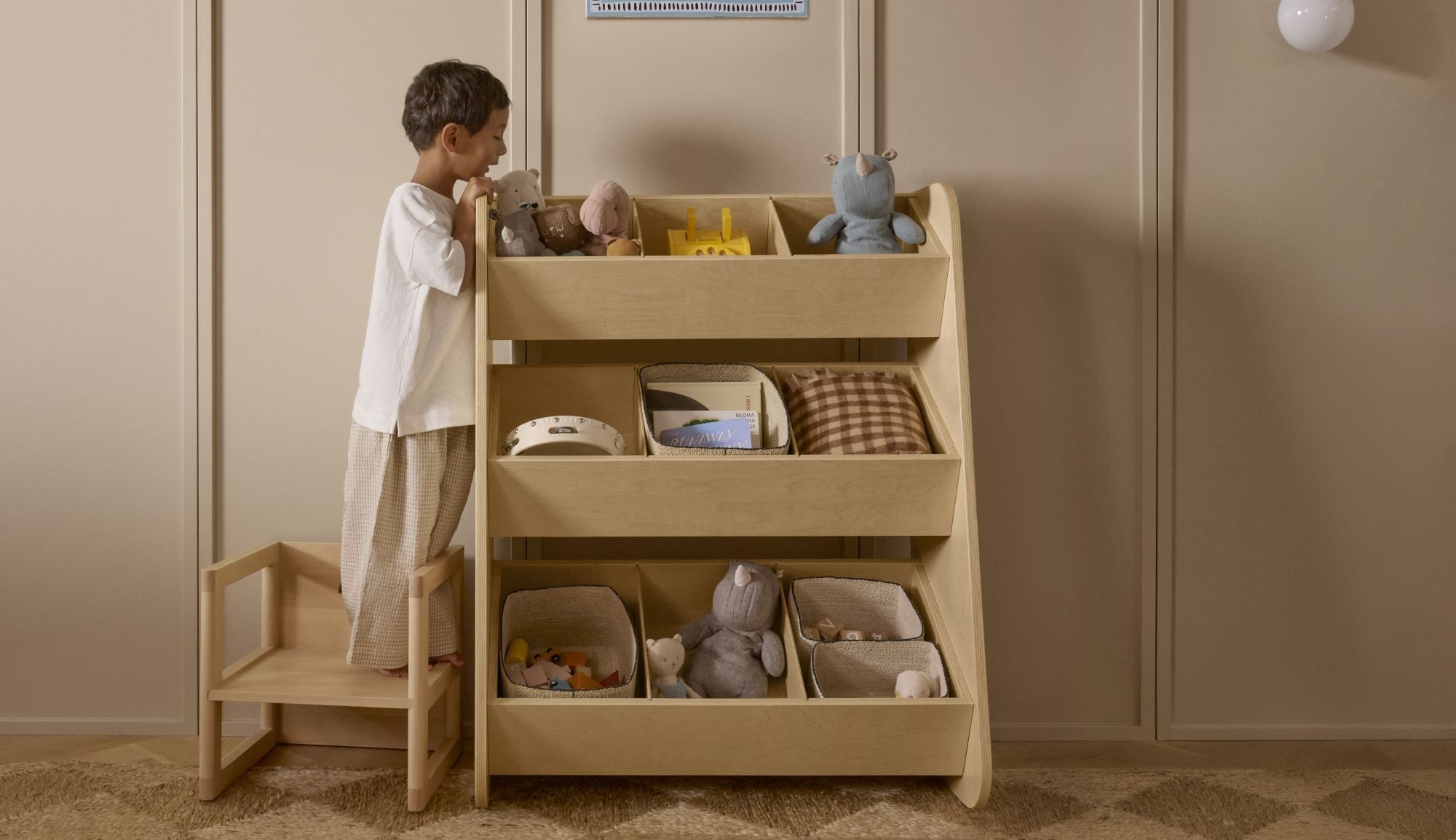
- Accessing their crayons or utensils
- Cleaning up a spill
These actions may seem small, but they reflect important developmental progress. When children are supported by their environment—not limited by it—they can take authentic ownership of more and more tasks. That sense of agency strengthens confidence over time.
Child-Centered Scale Matters More Than You Think
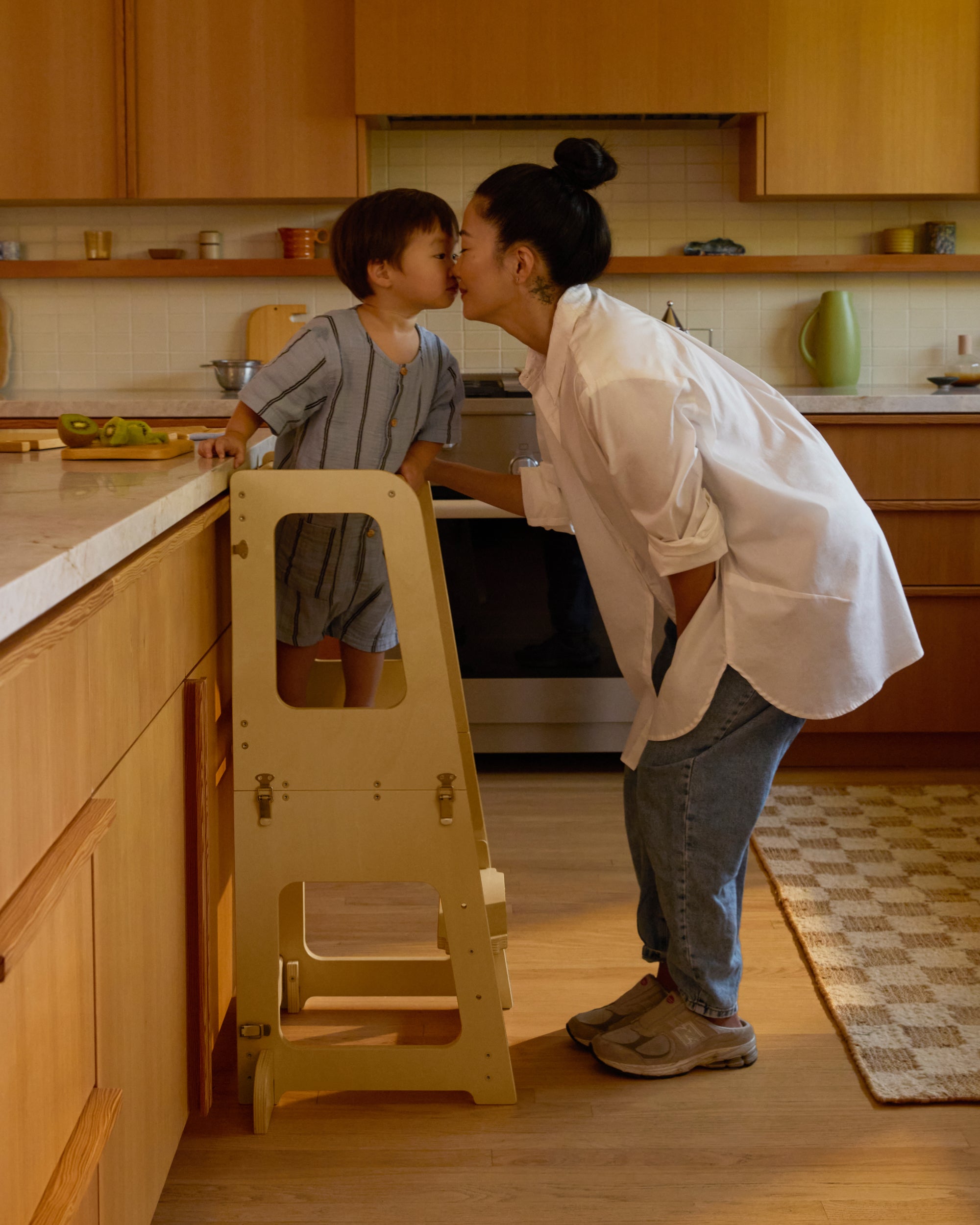
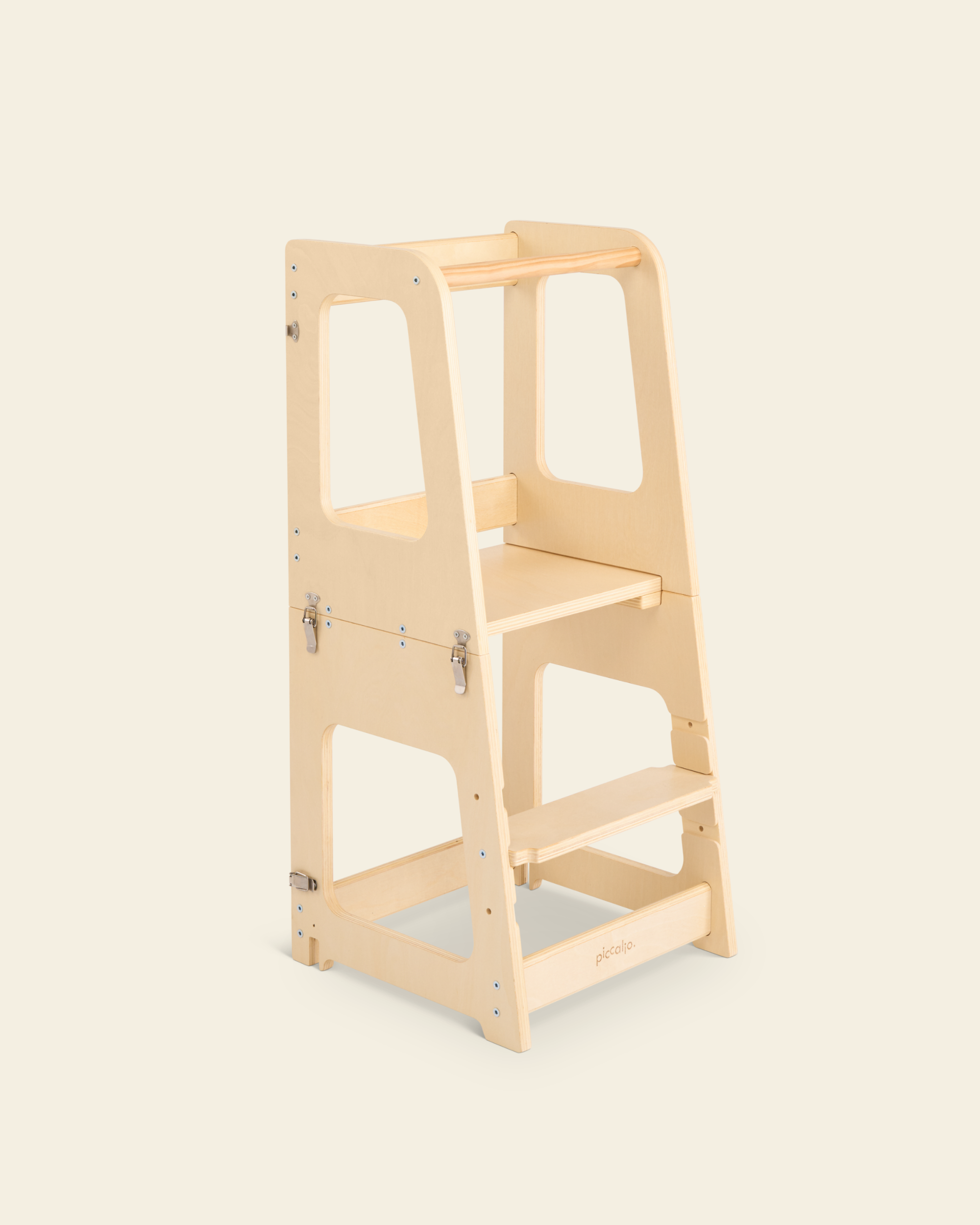
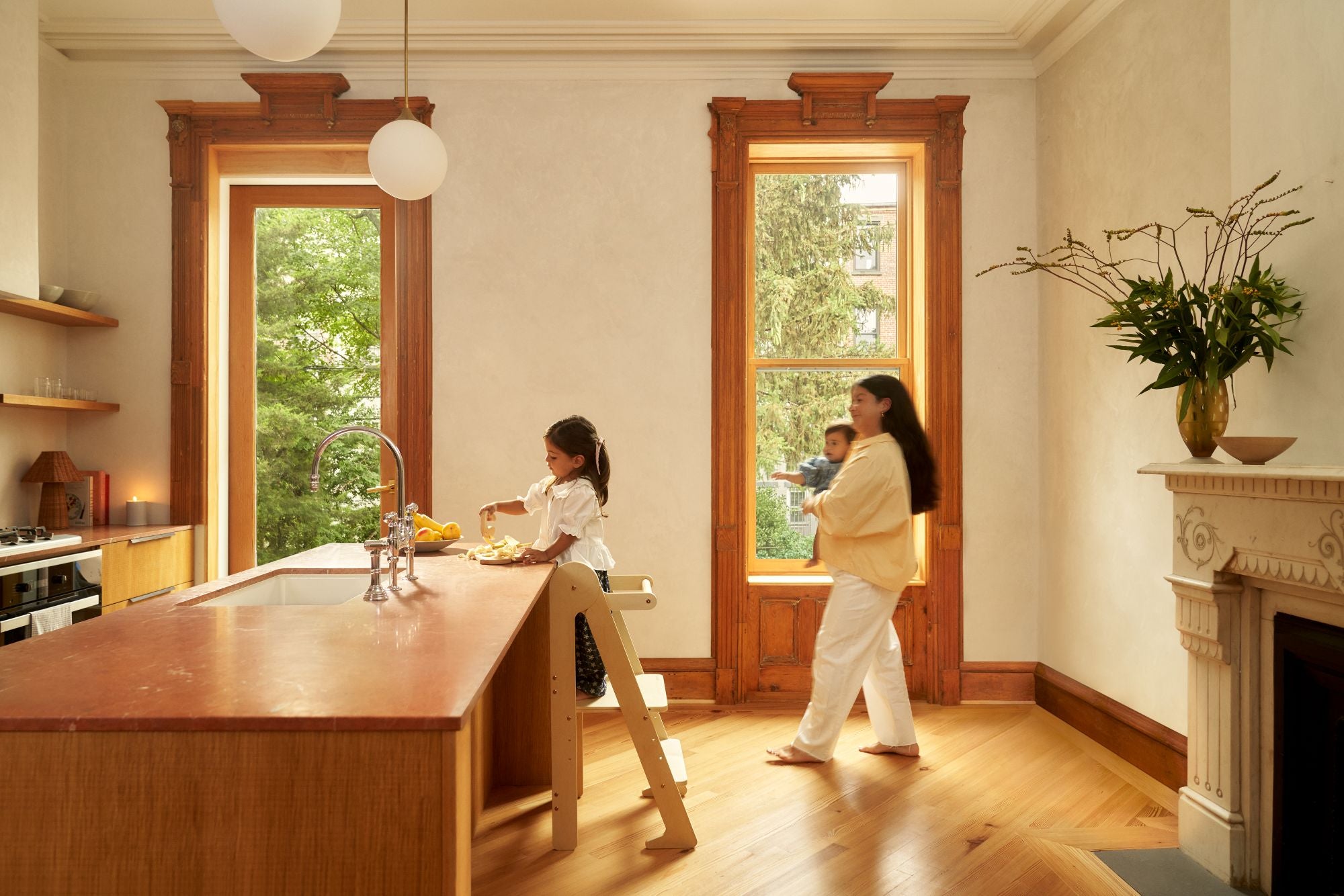
A key feature of independence-supporting furniture is scale. Furniture designed for little bodies means your child can act without waiting for your assistance.
Children gain confidence when they can:
- Access what they need independently
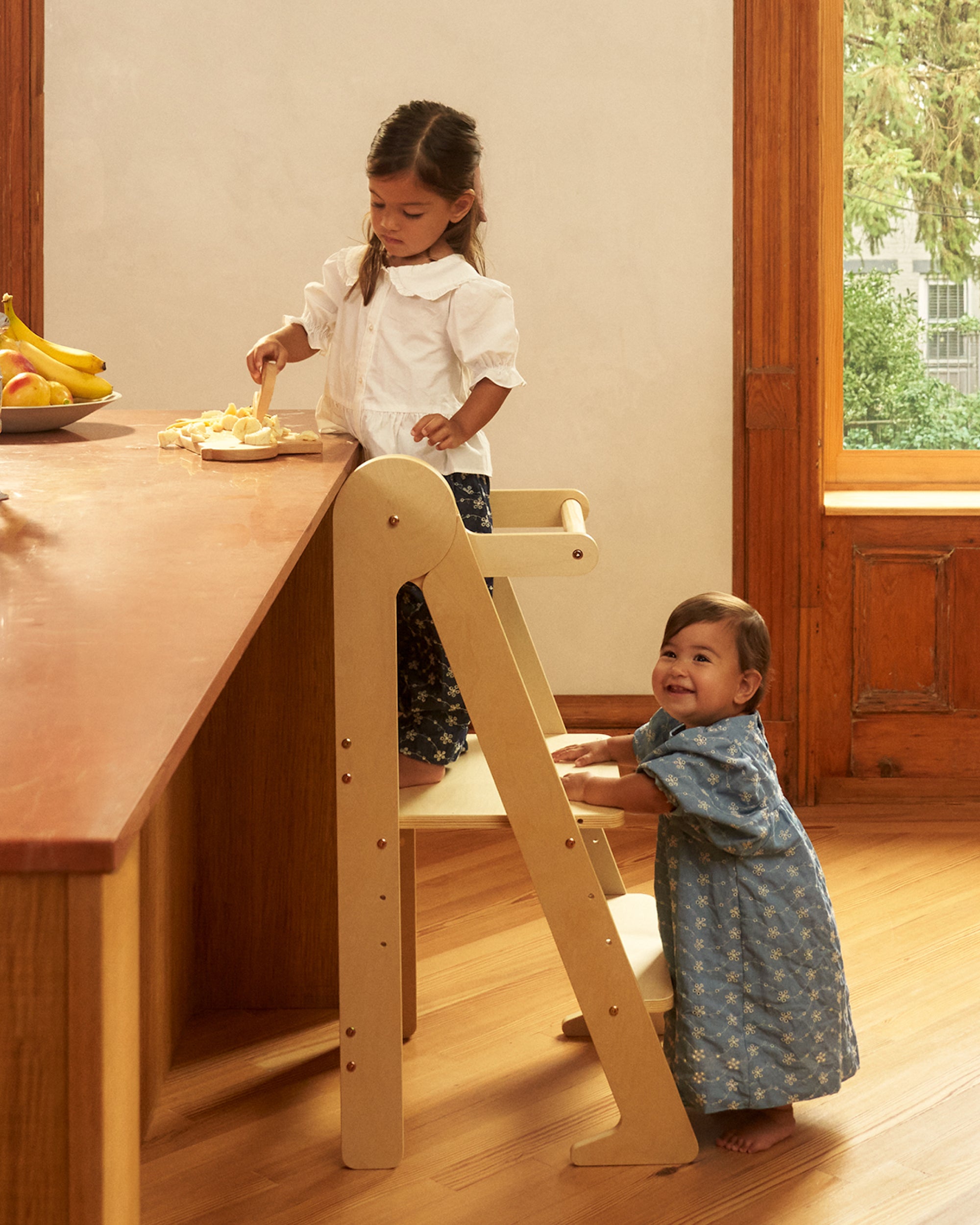
- Reach surfaces without being lifted
- Move between positions with ease
- Use furniture without asking for help
When furniture is the right size, children don’t have to ask for help. They can act, learn, and explore with fewer barriers. That shift from being done for to doing for themselves is a foundational step toward independence.
Furniture That Grows With Your Child
Independence isn’t a single moment in time. It unfolds over months and years.
The right kids' furniture supports your child's journey because it can be used for different activities and across stages of development. For example, a Kids Table and Chairs Set becomes more than a seat for snacks. Over time, it can be:
- A place for drawing, building, and creating
- A surface for early writing and puzzles
- A space for shared mealtime and family routines
Furniture that feels meaningful in multiple contexts encourages children to return to it again and again, creating a simple path to confidence.
Environment That Invites Participation
Children learn by doing. When your environment invites participation instead of creating barriers, they begin to see themselves as active contributors.
Here’s how intentional furniture supports participation:
- Comfortable scale puts tools within reach.
- Open design avoids intimidating or overly grown-up shapes.
- Neutral materials feel approachable.
- Familiar pieces become anchors of routine.
In a space designed for engagement, children don’t just interact with objects. Instead, they interact with purpose.
Everyday Tasks Become Opportunities
Independence grows through everyday tasks such as setting the table, reaching for a cup, organizing crayons, or clearing plates. When your child can do these things themselves, they experience:
- A sense of accomplishment
- Increased coordination and motor skills
- Growing confidence in decision-making
- A stronger connection to daily life
Research also shows that age-appropriate independence can lower stress and anxiety in children. Why? Because when your child has faced tasks and succeeded, new experiences or problems don’t feel as scary.
Furniture that supports these tasks feels familiar and dependable. A table that’s the right height becomes a site of daily rituals. A place where children expect to interact thoughtfully.
Confidence Through Repetition
Children build confidence when they can repeat actions with increasing skill. When furniture fits well and feels stable, your child will return to it again and again, which helps:
- Reduce frustration
- Encourage problem-solving
- Foster a sense of predictability
- Support emotional regulation
Confidence is not something that happens all at once. It is built slowly, piece by piece, moment by moment.

The Role of Versatility
A piece of furniture that can be used in multiple ways naturally supports independence. Versatility invites exploration.
For instance, your child may use a table set for:
- Play and imagination
- Snack time with peers
- Quiet reading or storytelling
- Projects with a caregiver
This kind of versatility ensures the piece continues to feel relevant and continues to support independence over many stages of development.
Materials That Make a Difference
Beyond shape and scale, materials also influence how your child connects with furniture.
- Natural wood feels warm and familiar
- Smooth finishes invite touch
- Stable construction feels trustworthy
- Calm colors support focus
When furniture feels dependable underfoot and at hand, your child is more likely to engage with it confidently. Quality materials also help pieces last, which reinforces a sense of familiarity and reliability.
How Design Encourages Confidence
You might notice the right environment feels calm rather than overwhelming. Intentional design encourages attention instead of distraction. Furniture that does not dominate a space helps children focus on what they are doing rather than how it looks.
Consider what a confident child looks like:
A child who sits down to draw, places crayons in their own cup, and knows how to clean up.
The space around them—especially furniture—plays a subtle but powerful role in those moments.
Furniture That Feels Like Part of Family Life
When kids' furniture fits naturally into your home, it stops feeling like a separate “kid zone” and instead becomes part of everyday life.
Pieces that blend in with the rest of the home help your child feel they belong in the whole space, not just a corner or the playroom.
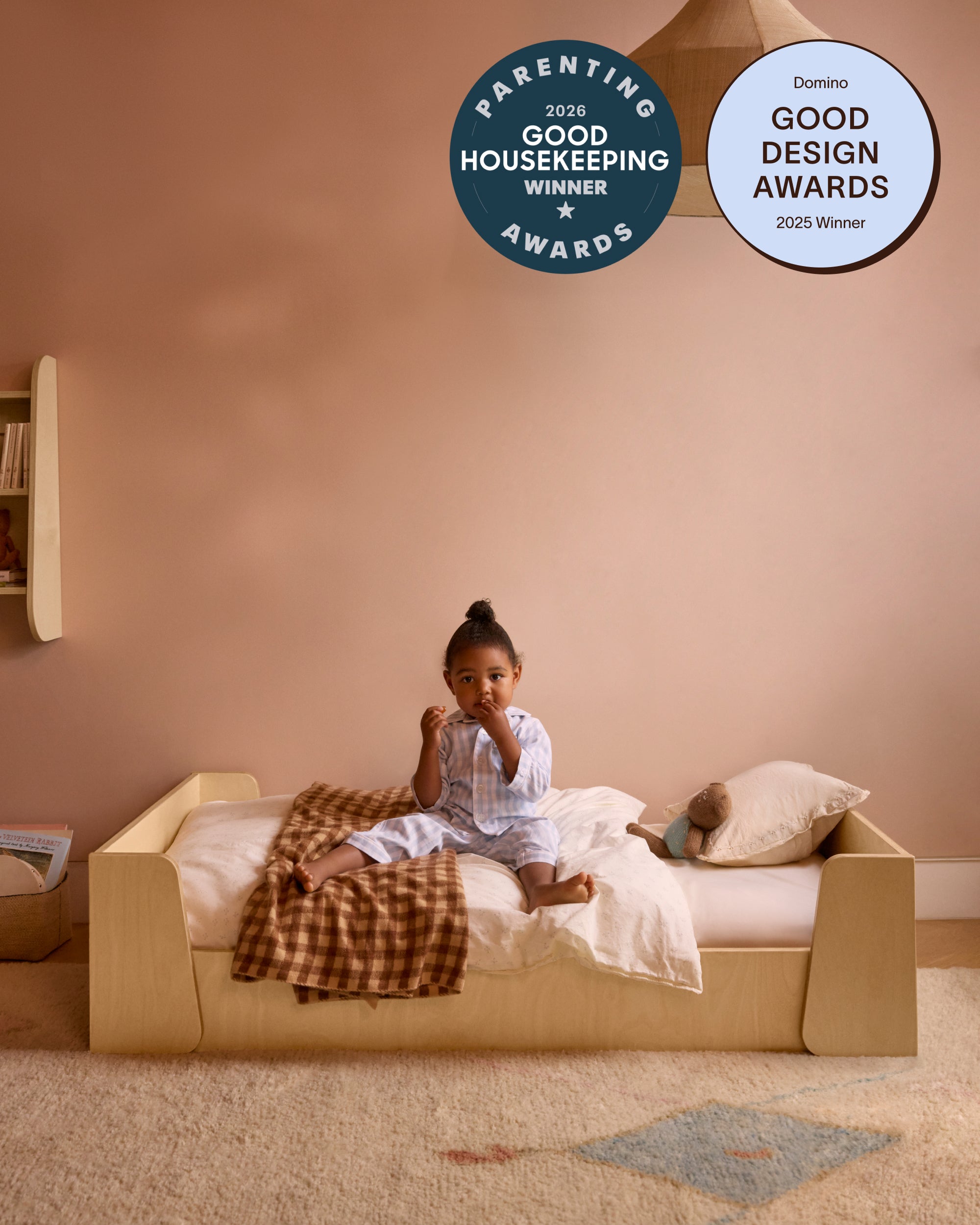
That’s one reason so many families appreciate our Bestsellers Collection. These pieces feel at home in living rooms, kitchens, and shared spaces, meaning your child can participate confidently wherever life is happening.
Supporting Independence Without Pressure
While furniture can support independence, it doesn’t create it alone. True independence grows when your child feels encouraged to engage in meaningful moments.
The right environment makes participation possible. Furniture is part of a relationship, helping create a supportive setting where your child feels seen, capable, and invited to try.
When furniture and caregiving come together with intention, your child learns that their actions matter and that they are trusted to take part.
Bringing It All Together
Independence and confidence are built one small moment at a time. The right kids' furniture supports both by:
- Fitting a child’s body and reach
- Encouraging engagement in daily routines
- Inviting exploration and repetition
- Remaining familiar and dependable over time
Furniture that feels supportive, stable, and approachable becomes a partner in learning — not just a place to sit or store toys and books.
Explore Furniture Designed to Support Growth
Thoughtfully designed pieces help children participate in everyday life with confidence and comfort.
Explore Piccalio’s Bestsellers Collection to find furniture that feels right for your home and your child’s journey.










Leave a comment