

A Montessori Teacher's Guide to Quiet Time for Toddlers
Your toddler fights sleep and refuses to nap, leading to regular battles related to rest. You both need a moment of calm during the day. Here's where a period of quiet, independent play or reading can help.
Here are my tips as a Montessori teacher and mom of three on how to implement quiet time. What are the signs that your child is ready to stop napping, and how can you set up a routine for quiet time? Here's what parents and caregivers need to know.
What is Quiet Time for Toddlers?
Quiet time is a period of calm independent play that replaces naptime. When kids stop napping, they still need a moment to reset. Similar to how adults enjoy alone time, children also need a moment of calm during the day to rest.
During quiet time, toddlers may still fall asleep, either intentionally or accidentally. However, the goal isn't a nap, but a calm time for rest. Believe it or not, a quiet moment during the day can improve your child's mood and protect their mental health.
Benefits of Toddler Quiet Time
A few of the benefits of playing quietly or taking a moment of rest during the day include:
- Preventing sensory overload
- Silence may lower cortisol, a stress hormone
- Improves your child's concentration
- Can support emotional and self-regulation
The world is busy, full of noise, colors, and movement. Quiet time can provide relief from this overload, having a calming effect. In short, quiet, independent play can help toddlers learn to manage their emotions, support a better mood, and help children build executive functioning skills.
What Age Do Toddlers Stop Napping?
Wondering if now's the right time for your toddler to stop napping? In reality, the exact age depends on your child, their disposition, and sleep needs. For example, my children all dropped their nap somewhere between ages 2 and 3. However, I also know some children who still need a nap after turning 3 or even 4 years old.
An easy way to consider your child's sleep needs is to look at the amount of sleep they need in 24 hours. Some children might meet their sleep needs in a longer overnight sleep, while others have a shorter night's sleep and complete their sleep needs with a nap during the day.
According to the American Academy of Pediatrics, toddlers should get this amount of sleep according to their age:
- Ages 1-2 years: 11-14 hours of sleep
- Ages 3-5 years: 10-13 hours of sleep
Learn more about toddlers and sleep from a pediatrician and mom.
Signs Your Toddler is Ready to Stop Napping
When do toddlers stop taking naps? Although there's no specific age, there are signs that your little one is ready to stop napping:
- They don't want to nap
- It takes them more than half an hour to fall asleep for naps
- It takes them more than half an hour to fall asleep at bedtime
- They are waking up earlier in the morning
If you notice these signs, you might also try adjusting your child's sleep schedule. Or, you might move bedtime to slightly earlier and drop the nap. Or, if your child is having trouble falling asleep at bedtime, you might shorten their nap.
Tips for Starting Toddler Quiet Time
When your child is ready to drop their nap altogether, you can introduce the idea of quiet time. When starting this routine, the first step is to set clear expectations for your little one.
As you decide your rules, keep in mind that every family is unique. How you decide to manage quiet time may differ from other families.

Helpful Rules for Quiet Time
When setting up quiet time, here are some guidelines to consider.
Where
Where do you want your child to spend quiet time? For many families, your child's room is the perfect space for quiet time. A spot in the living room or playroom can also work. However, in common areas, your little one may get distracted by other toys and activities.
When
When during the day should quiet time happen? Incorporating quiet time into a routine helps your child learn to expect it. One popular time slot is following lunch. However, you may also decide to designate quiet time in the early evening, before dinner.
How Long
To begin, 15 minutes of quiet time is an excellent goal. This can feel like a downgrade if your child previously took a longer nap. However, it's important to keep the time manageable for your child so they can succeed. As your child grows, you can extend the time to 30 minutes or even an hour.
What
Decide what your child will do during quiet time. Some families prefer their child to lie down on their bed or a Play Mat and rest while looking at books or playing with stuffed animals.
Other families are happy to have their child choose from a range of independent play activities like:
- Playing with blocks or building toys
- Reading or looking at books
- Coloring or drawing
- Playing with non-electronic toys like dolls, stuffed animals, or cars
- Doing puzzles
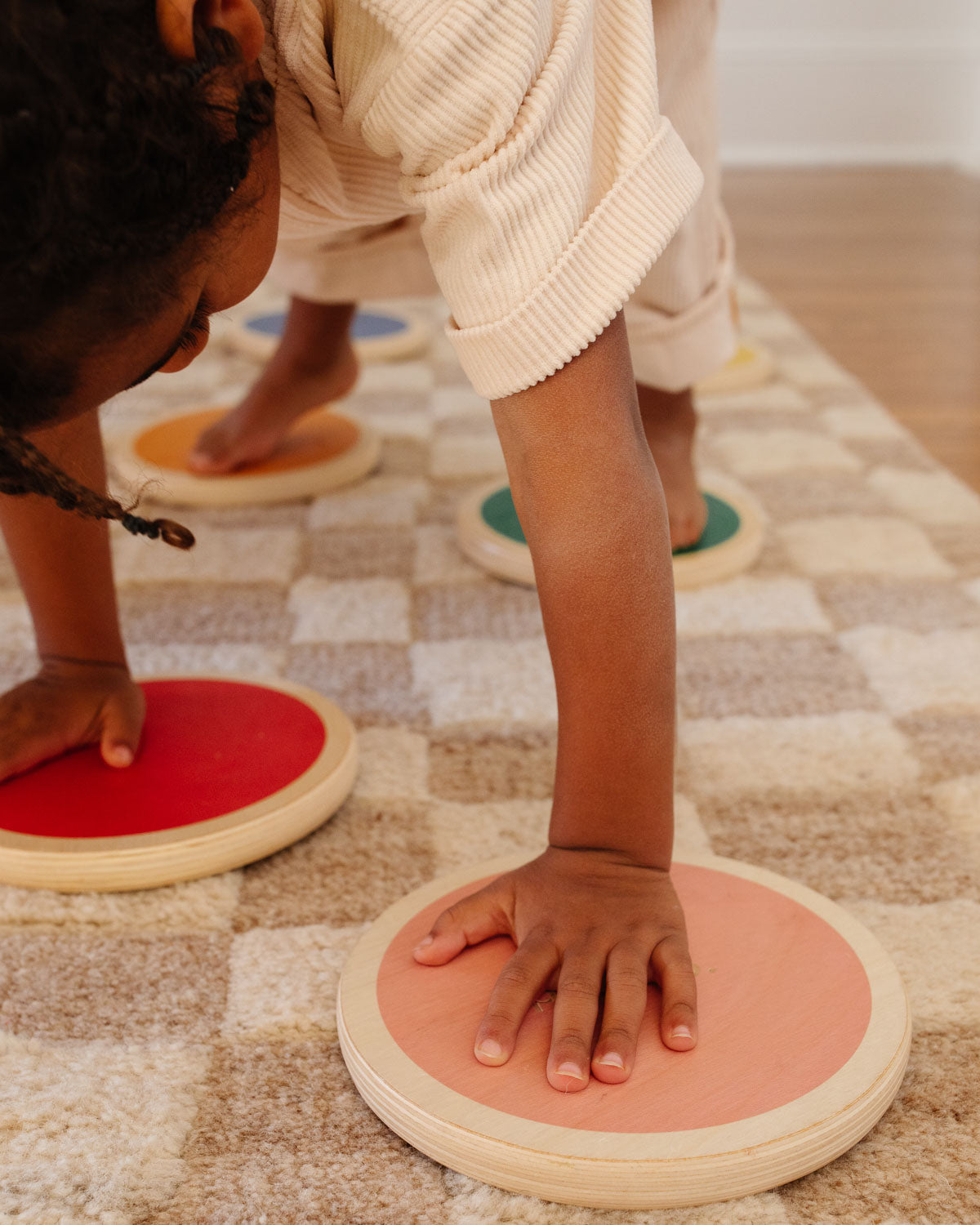
- Practical life activities
-
Fine motor activities
Keep in mind that if you prefer to be strict about activities, you'll likely have to keep the time shorter. The more activities your child can choose from, the longer they'll be able to stay engaged.
Strategies for Quiet Time Success
Once you've set up your expectations, there are still some helpful strategies that can help you succeed with quiet time. In my experience, these strategies take a little work upfront, but are well worth the effort. Ultimately, they help quiet time run smoothly and last longer.
Set a Designated Space
Create an inviting space for quiet time or choose an already existing place in your home. Some key elements might be:
- A place to lie down, such as a bed or a Play Mat
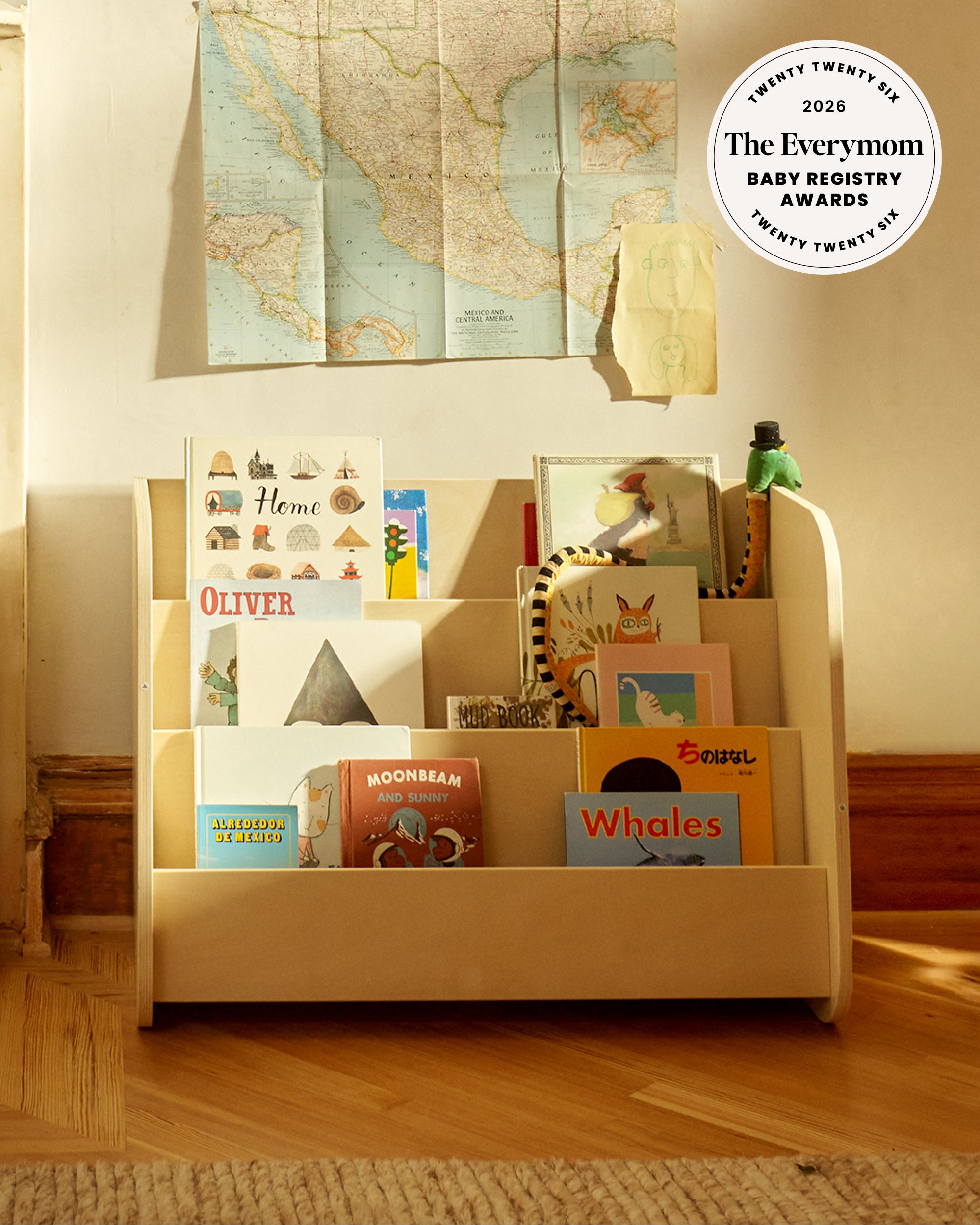
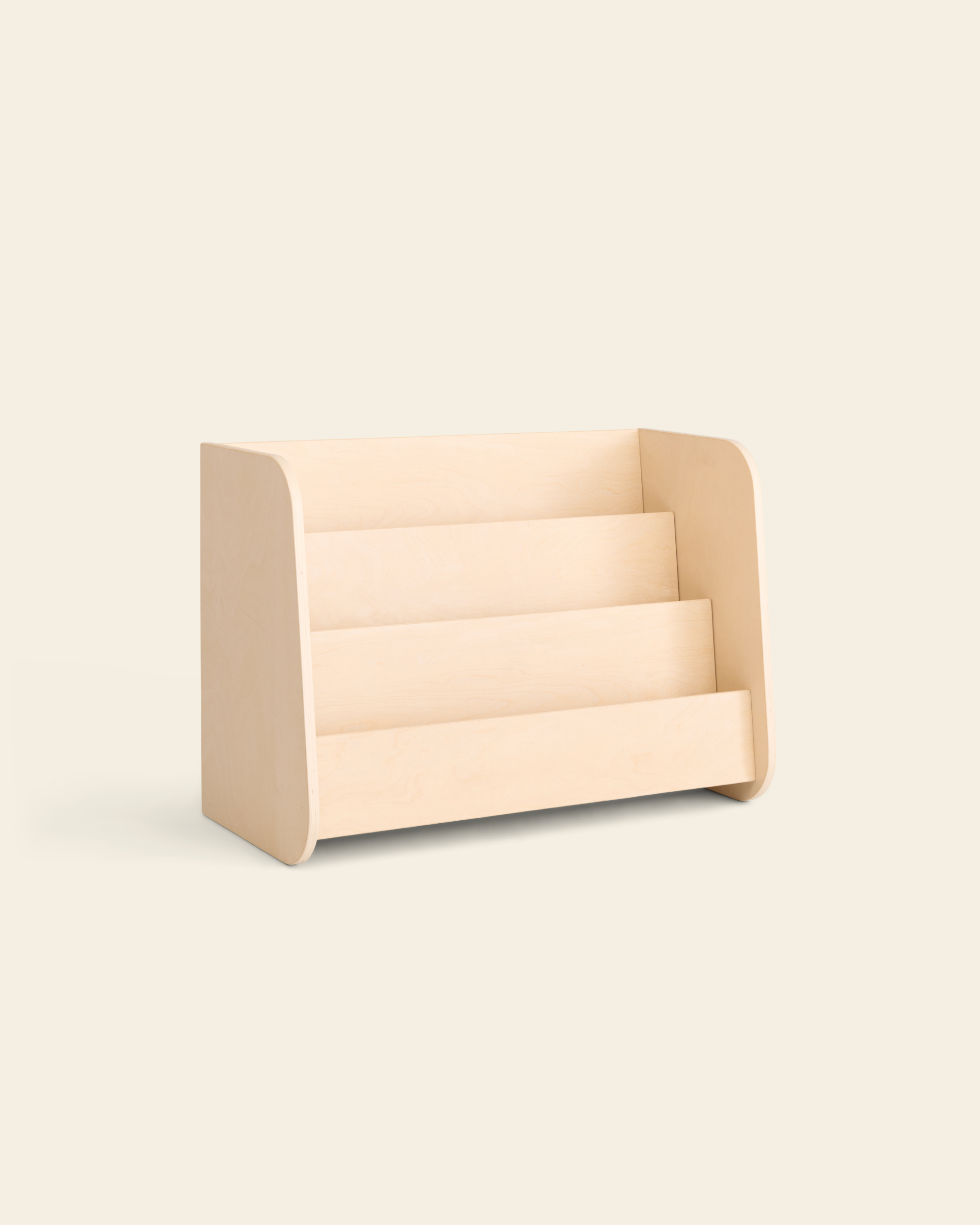
- A Montessori Bookshelf with books your child enjoys
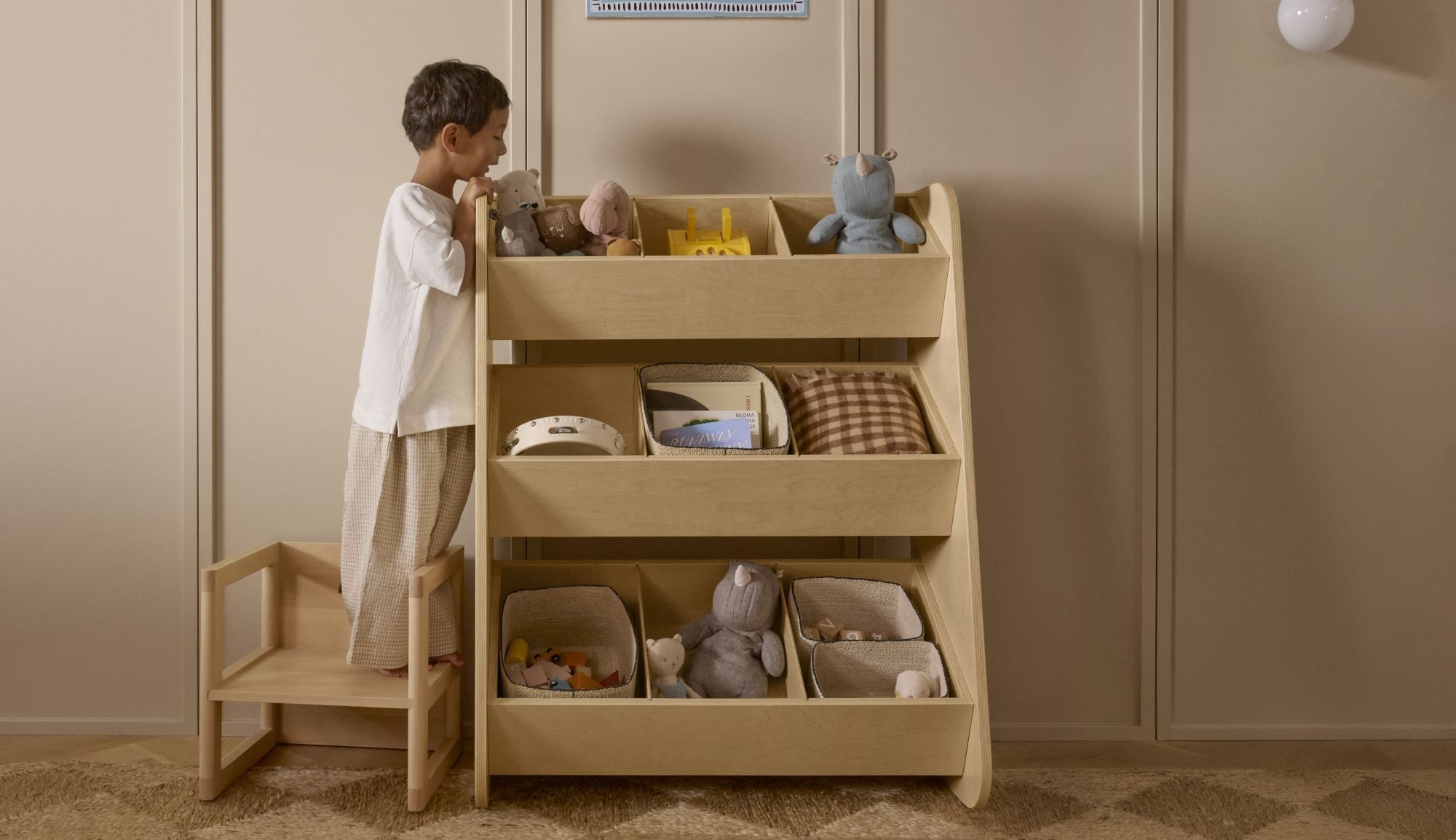
- A Toy Shelf or two with approved quiet time activities
It should be obvious to your child where you expect them to spend quiet time and what they should be doing. Your child should have everything they need for quiet time in the same area.
Rotate Toys and Books
Quiet time, although calm and restful, should still be engaging and interesting for your child. Regularly switch out the toys, activities, and books available to your child for quiet time.
Learn more about rotating toys the Montessori way here.
Visual Timer
Young children struggle to understand the passage of time. A visual timer can help your child see how long quiet time is. You can set the visual timer, explain how it works, and explain that quiet time is over when the timer runs out.
Provide an Image List of Ideas
Your child may struggle with what to do during quiet time. When you first begin quiet time, it can be helpful to provide a poster with images of activities from which your child can choose. Over time, your child will build practice and get better at choosing activities independently.
Start Small
You can't expect your child to manage 30 minutes of quiet time the first day you try it. Instead, start short with a period of even 5 or 10 minutes. As your child builds their concentration and independent play muscles, you can lengthen quiet time.
At first, stop quiet time if your child feels too upset or is unable to manage it. Then, try again the next day. It can also be helpful to remind your child throughout the day when quiet time will be. Also, remind them a short time ahead of quiet time when it will be and what the expectations are.
Transitioning to Quiet Time
Are you ready to switch from nap time to quiet time? Remember, this is a process that requires patience and time. With practice, you can enjoy a quiet moment in the day that benefits your child with emotional regulation, concentration, and even a better mood.
Sources:
1. Early Childhood Research Quarterly
2. Heathline









Leave a comment