

A Montessori Teacher and Mom's Guide to Doing Montessori at Home
Discovering the Montessori method has changed my life, especially as a mom. One thing I've realized since I first encountered Montessori in 2012 is that many people misunderstand what it is. They think Montessori refers to a style of toy or furniture, or that it is limited to schools. However, Montessori is a philosophy, a learning method, a way of parenting, and so much more.
In this guide, I'll explain what I would want to know if I were starting my Montessori parenting journey. Using Montessori techniques at home can transform how you understand and respond to your children, bringing more peace and harmony to your home.
An Overview of the Montessori Method
First, what is Montessori? The Montessori method was created by Dr. Maria Montessori, an Italian doctor turned educator. She created the method in the early 1900s while working with underprivileged children in a poor neighborhood.
She approached her new role as a teacher as a scientist. Through trial and error, she created a revolutionary approach to education that's still popular today! Today, you can find Montessori schools around the world, especially popular for the preschool and kindergarten levels.
Here's an overview of what parents should understand about the Montessori method:
Child-Centered Learning
In a Montessori classroom, you don't typically see a teacher standing in front of students. Instead, classrooms are child-centered. Teachers typically teach lessons in small groups or one-on-one.
Instead of teachers directing and forcing lessons, they invite children to lessons. Each child learns at their own pace with guidance from the teacher.
Freedom within Limits
Unlike typical classrooms, Montessori programs include freedom of movement and choice. Children can walk around the classroom and select learning materials to work with.
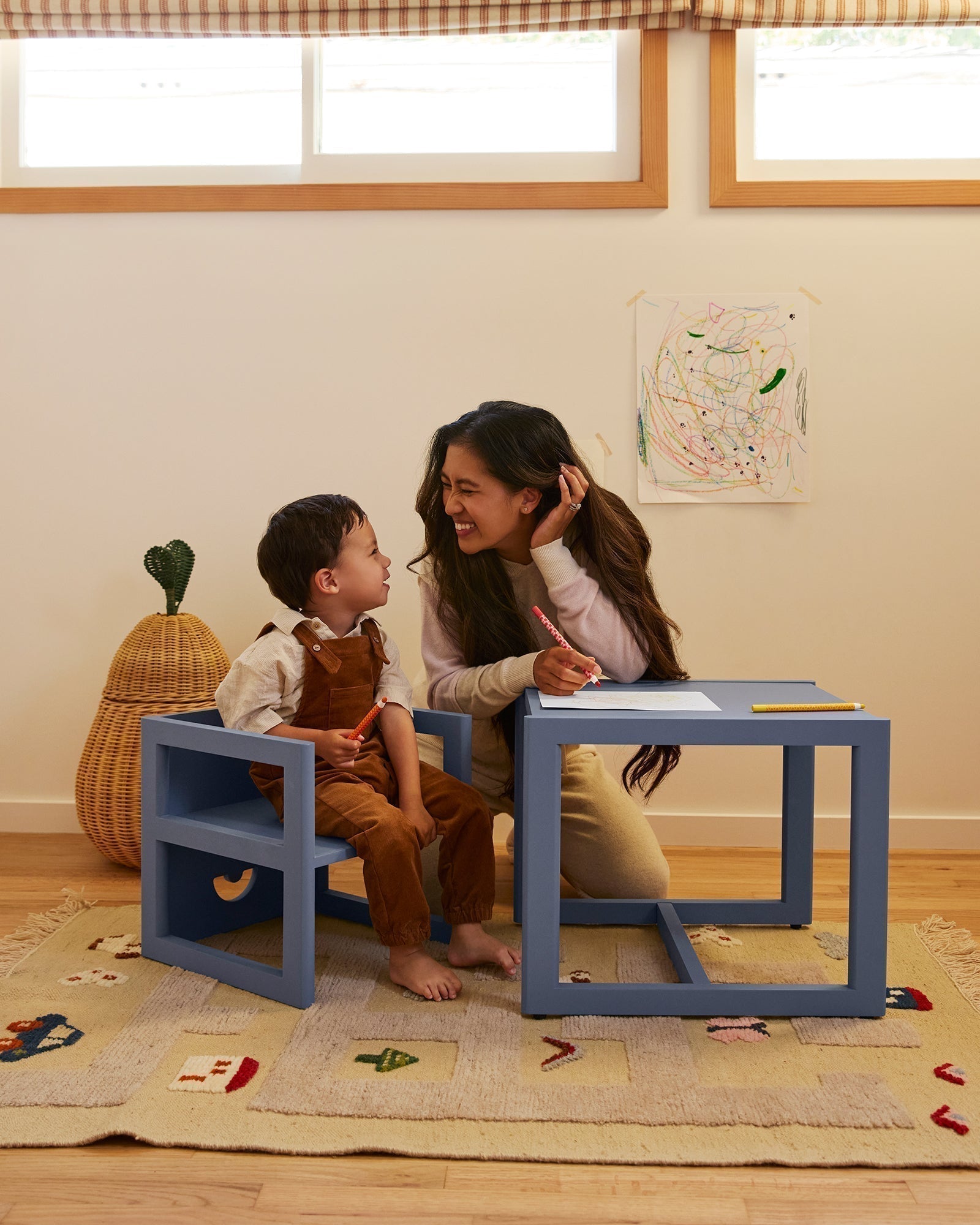
Children can also choose their workspace, typically either at a table or on a carpet on the floor.
Although children do have many freedoms, they must also follow basic rules. These rules typically include being respectful of others. For example, children must be quiet to respect the concentration of others.
The Absorbent Mind
Dr. Montessori observed that young children (between the ages of 0 and 6) soak up information and knowledge like a sponge. She believed that children required many sensory and learning experiences to make the most of this stage of brain development.
The Montessori Curriculum
The Montessori curriculum is holistic, including not only academic topics, but also practical life skills, social skills, and spirituality. Practical life skills like cooking and cleaning encourage independence and help boost children's fine motor skills and confidence.
Discover 18 Montessori fine motor activities to try at home.
Hands-On Learning
You won't find many worksheets in Montessori classrooms. Instead, children work with hands-on learning materials like blocks and beads. Many Montessori materials also include a sensory experience. For example, children trace sandpaper letters and numbers to learn the shapes.
In the Montessori curriculum, the classroom supports learning through these hands-on materials. Dr. Montessori found that the environment should meet the child's needs with interesting, engaging lessons that inspire learning and curiosity.
Mixed-Age Classroom
Instead of children being within a year of age from one another, Montessori classrooms include children within a three year age-range. For example, the preschool level features children from ages 3 to 6 years old. This helps older children build leadership skills and inspires learning in younger children.
Learn more about how Montessori vs. traditional education stack up in a school setting.
Pillars of Using the Montessori Method at Home
How does the Montessori method translate into parenting? To use the Montessori method at home, parents adapt the Montessori philosophy to a home environment. It looks a little different for every family. Overall, it involves key pillars that bring Montessori parenting to life:
Independence
Making space for your child to do things without adult intervention. Some examples include making their own snack, getting dressed, and managing hygiene.
Behavior is Communication
In the Montessori classroom, teachers spend time observing children with curiosity, trying to understand their needs and goals. Parents can use this skill, too. By viewing your child's behavior as a form of communication, you can improve your relationship and interactions.
Teach Life Skills
Take a moment to teach your child important skills, like how to pour a cup of water or how to wrap a gift.
Here's your guide to 3 practical life activities you can try with your child.
Life skills include social skills, like how to ask for a turn or how to introduce themselves. If you notice your child has a problematic behavior, such as interrupting others, turn it into a lesson.
Make some time to discuss it when you're both calm. Also, try role-playing so your child gets some practice with the new skill. Specifically with interrupting, you can teach your child to put their hand on your arm or shoulder to indicate they want to talk to you. Then, when you're ready, you can turn and give them your attention.
5 Techniques to Use in the Montessori Parenting Style
Below, explore some Montessori techniques and how you can put them into practice at home.
1. Follow the Child
Dr. Montessori believed that children want to learn. Naturally, children follow their instincts and seek out opportunities to learn. If caregivers pay attention and observe their children carefully, they can identify interests and support them.
In my experience, this is especially relevant in toddlerhood. For example, toddlers often get into the toilet. Through a Montessori lens of "following the child," you might realize your child needs more opportunities to play with water. Like a little scientist, your child wants to explore the properties of water, understanding concepts like cause and effect along the way.
To "follow the child" the Montessori way, try observing your child with curiosity. What might they be learning while watching ants march in a line? How can you foster this interest and support their learning?
2. Use Chores to Foster Independence
Your toddler craves independence. You can help them build their skills through chores. Believe it or not, young children often enjoy doing chores.
The trouble is, as parents, we typically chase them away because they can't do a "good job" just yet. However, if we don't encourage participation, we miss the chance to show children that everyone can contribute. Everyday chores foster learning, support a sense of responsibility, and build life skills.
Along the way, your child will also practice problem-solving skills, fine motor skills, and move toward independence. As toddlers, my children loved washing dishes, hanging up laundry, stirring pancake batter, and sweeping.
See our full guide to Montessori chores, including a FREE chore chart here!

3. Create a Montessori Environment
In the Montessori approach, the environment is a key factor that supports learning. Dr. Montessori believed that when children have access to interesting learning materials, learning happens naturally.
At home, a Montessori environment supports not only learning but also independence.
Some examples include:
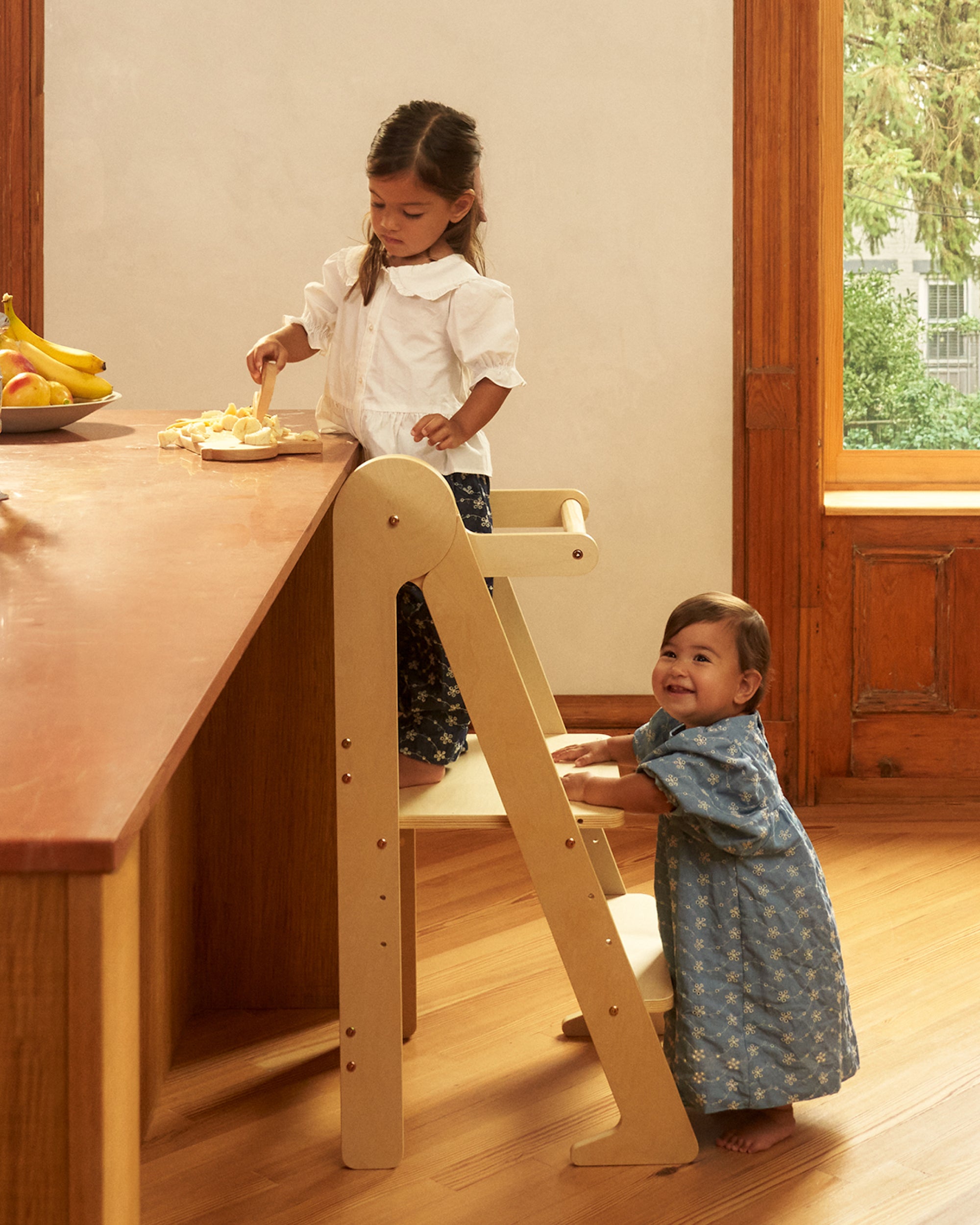
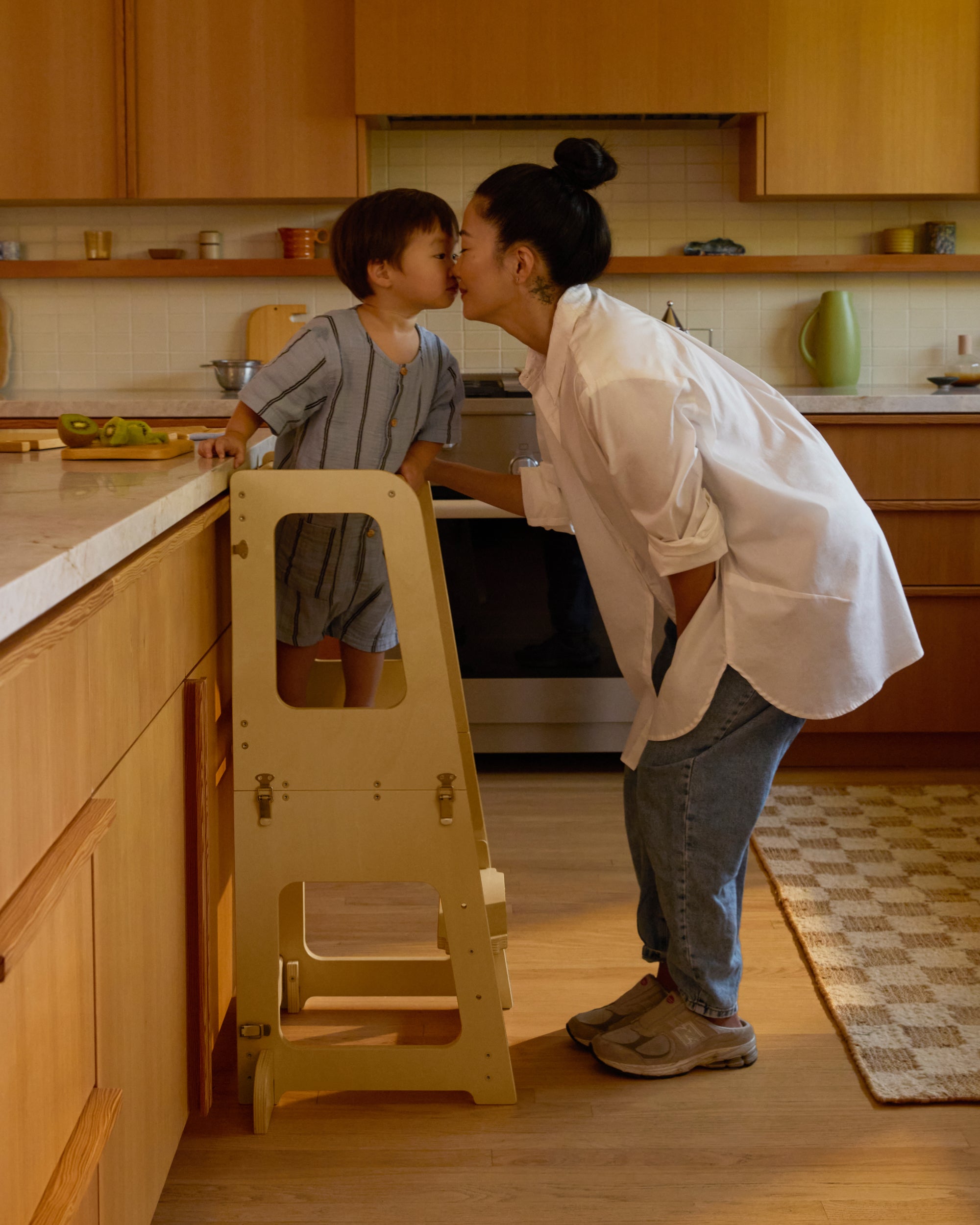
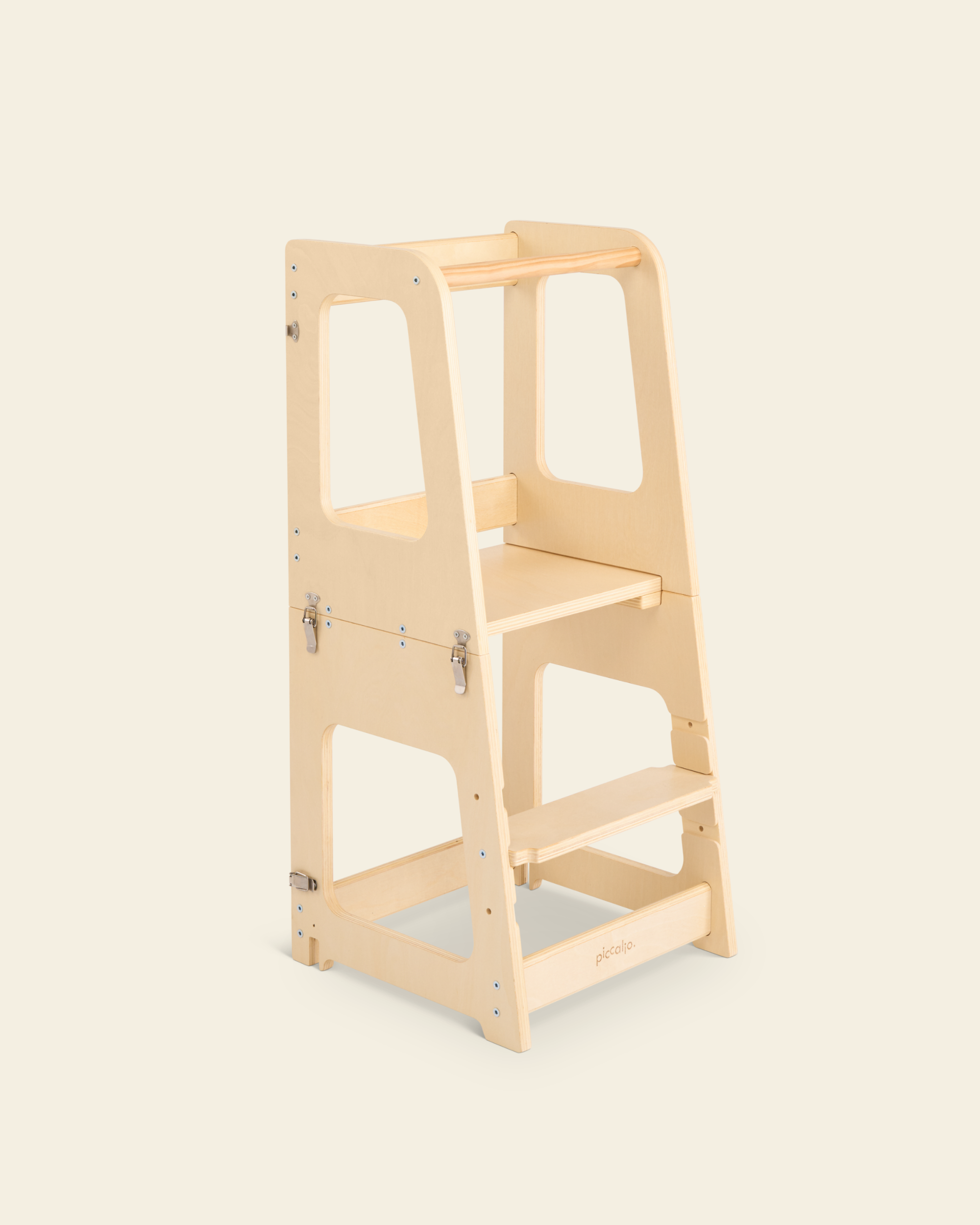
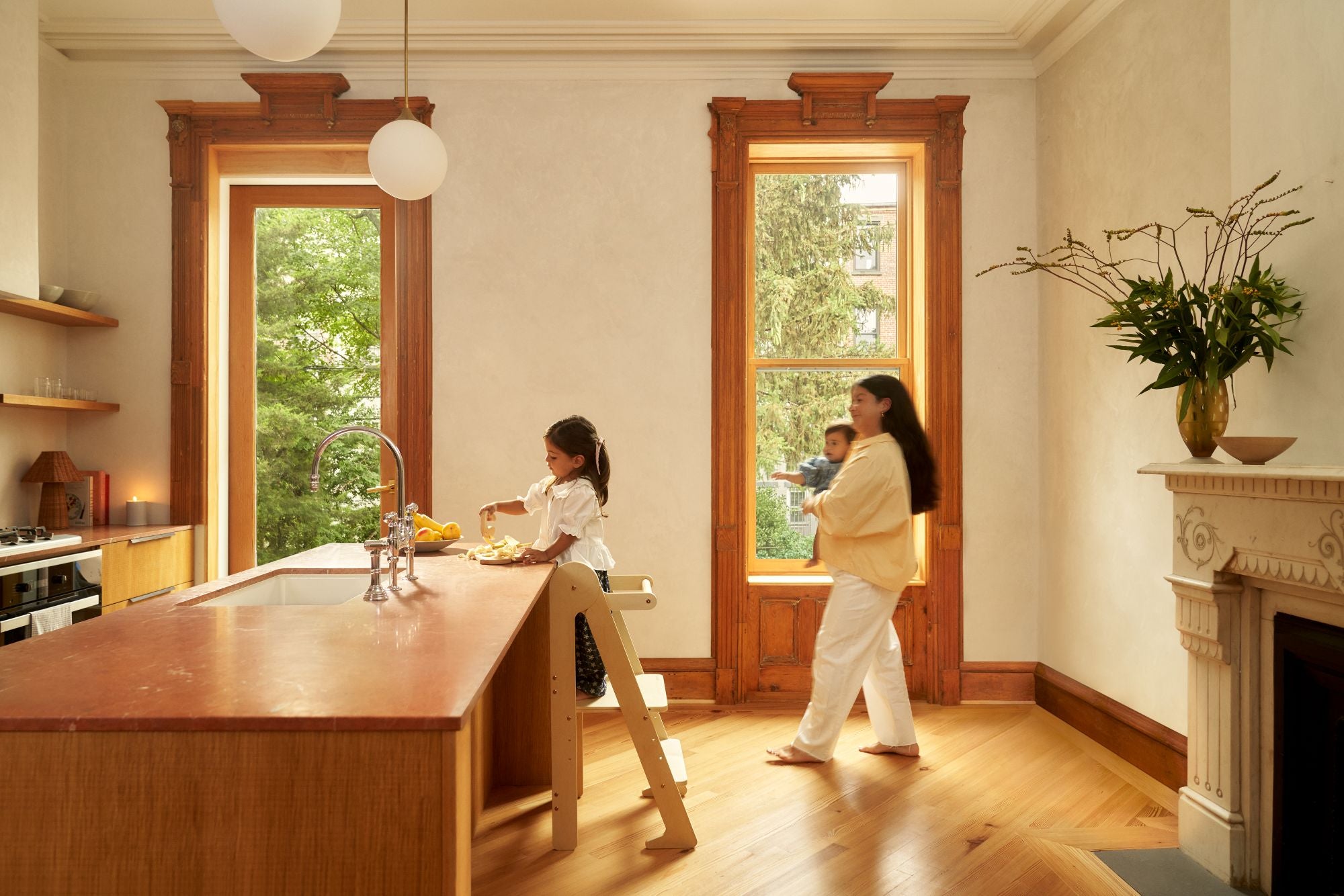
- A Toddler Tower: So your child can easily help in the kitchen, wash their hands, or brush their teeth. Discover tips from a Montessori teacher on how to use a Toddler Tower.
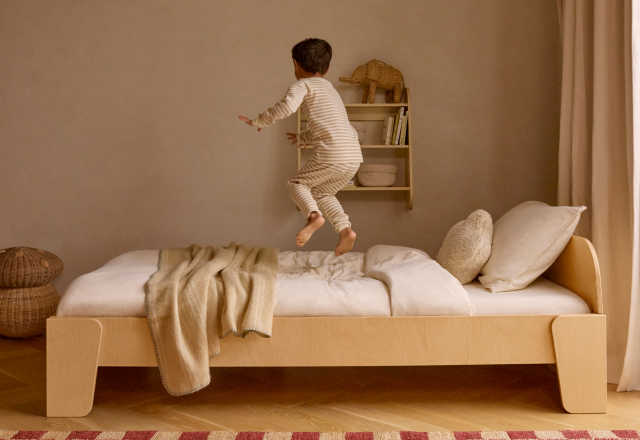
- Montessori Floor Bed: A beautiful bed that's safe—and also gives your toddler independence. My children all used a floor bed, and we all loved it. We were able to get them into bed without a power struggle, and they thrived on the independence.
-
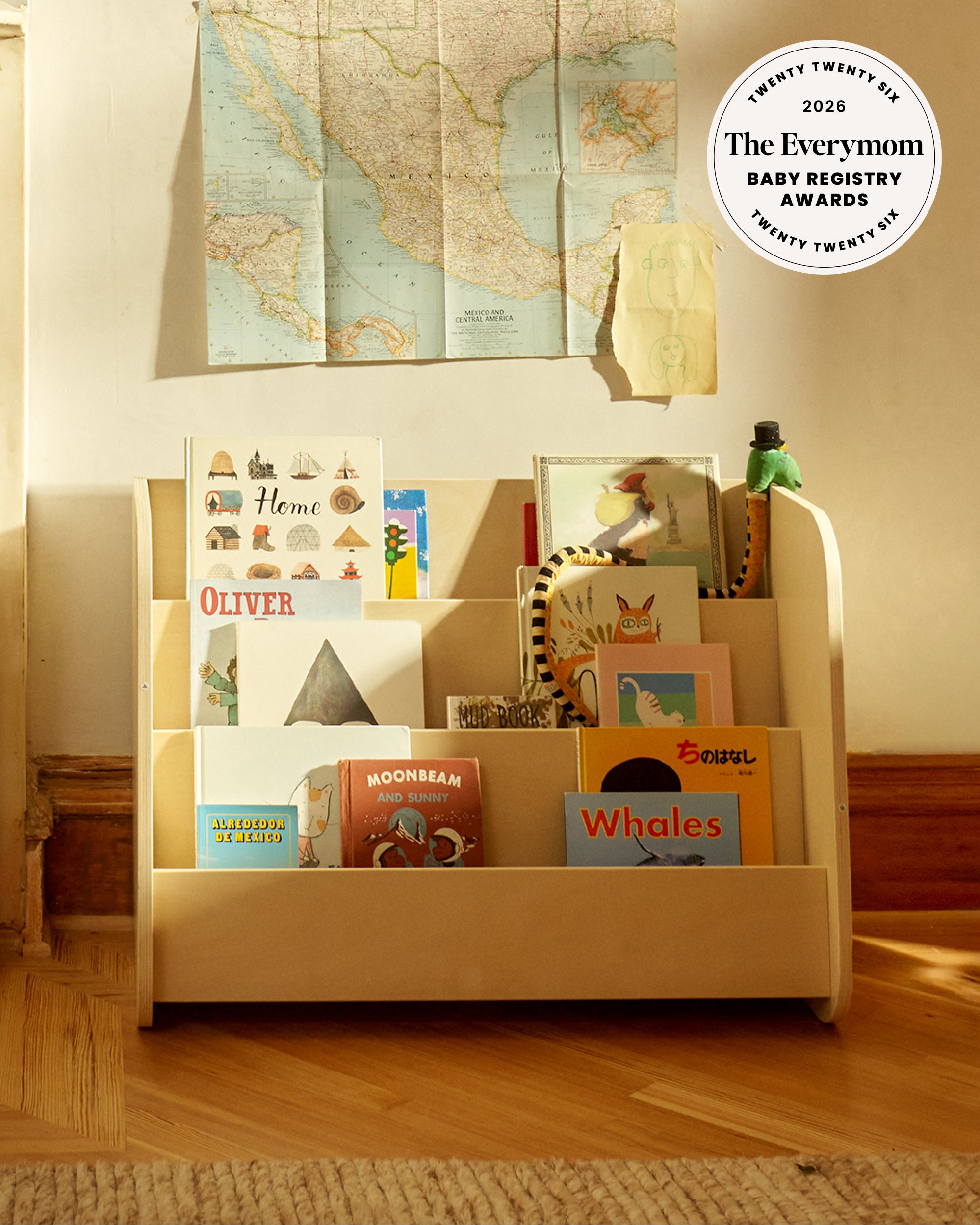
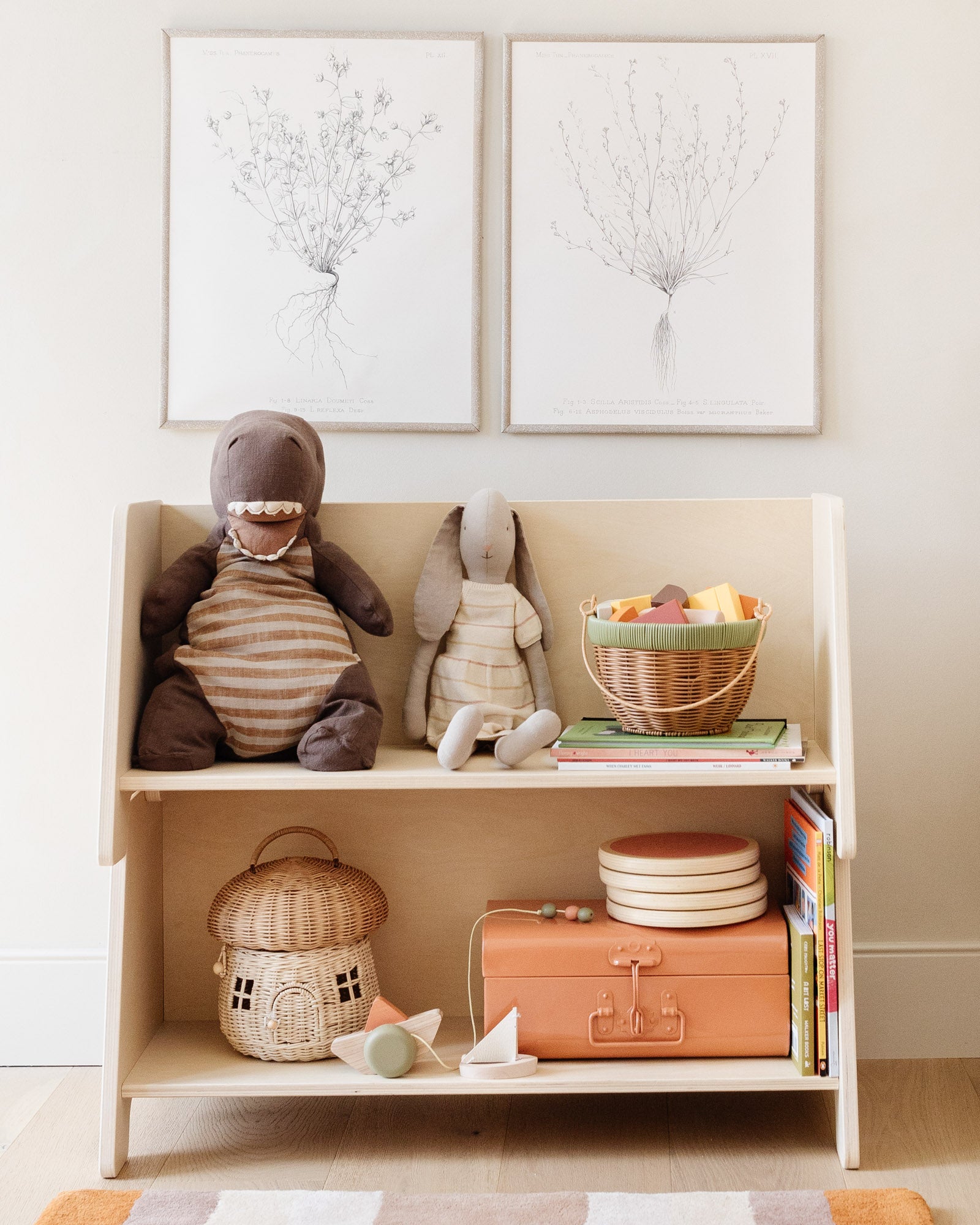
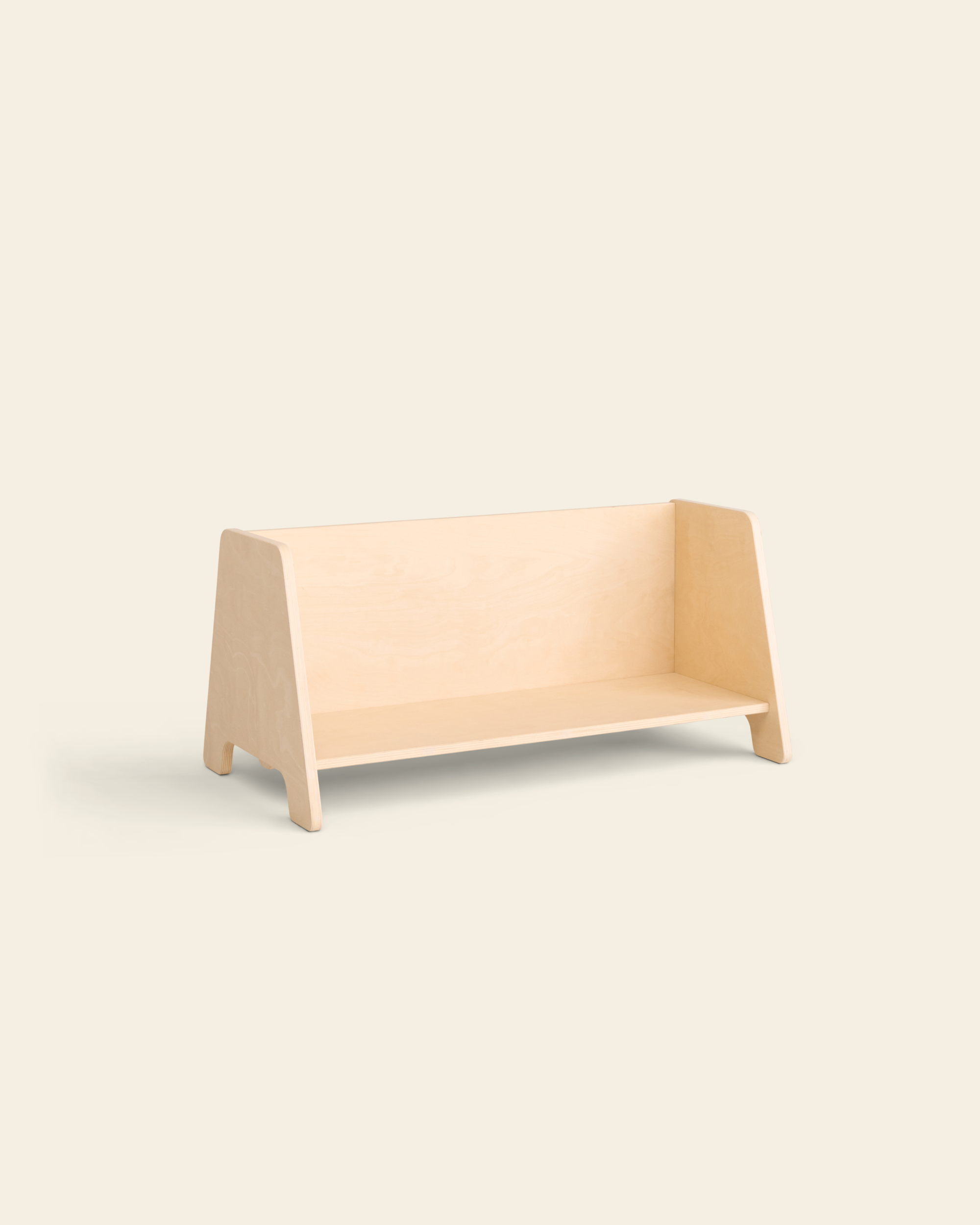
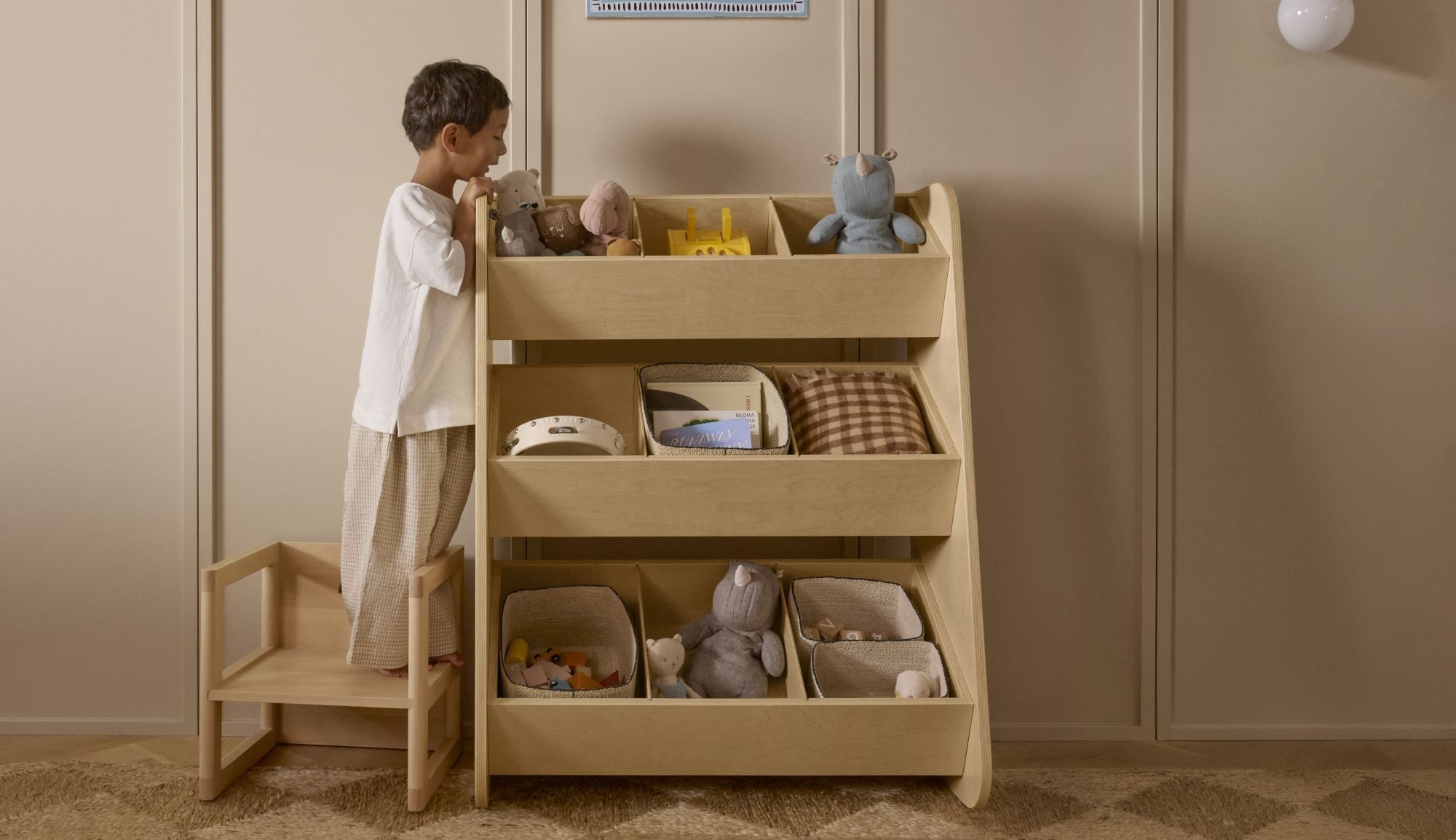
Montessori-inspired Storage: Open storage, like our Montessori Toy Shelf and Toy Organizer, support uncomplicated, simple organization that makes sense for your toddler.
Get more tips on designing a Montessori bedroom.
4. Prioritize Hands-On Learning Experiences Over Screen Time
Dr. Montessori once said, " He does it with his hands, by experience, first in play and then through work. The hands are the instruments of man's intelligence." Research supports the idea that using our hands supports learning. For example, handwriting supports reading skills.
Real-life, hands-on experiences power your little one's absorbent mind, filling it up with knowledge. Although Montessori isn't here to offer her opinion on digital technologies, we can imagine a Montessori approach to screen time would include limits.
Involving your child in everday hands-on learning activities and limiting screen time can support healthy development. Some screen-free activities to try include:
- Gardening
- Arts and crafts
- Cooking and baking
- Reading books
Need more hands-on activity ideas? Try 38 screen-free activities to keep littles of all ages busy.
5. Use Montessori Discipline Techniques
Dr. Montessori held the belief that children deserve respect. This means that her classroom management and discipline techniques are unique.
Build Intrinsic Motivation
Revolutionary at the time, she didn't believe in shaming or scolding children. Interestingly, she also didn't believe in offering rewards and over-the-top praise. Instead, she believed in creating intrinsic motivation through descriptive praise (which also helps create a growth mindset). In other words, Montessori teachers help children build their own motivation to do the right thing.
Learn about phrases Montessori teachers use to build a growth mindset.
Prevent Unwanted Behaviors
Additionally, Montessori discipline techniques involve prevention. As parents, there are many ways we can help stop poor behavior before it starts. For example, fostering independence can boost cooperation and build a sense of responsibility.
Discover 5 Montessori discipline strategies to try at home.
Understand Obedience and Childhood Development
Also integral to Montessori discipline are Dr. Montessori's observations on obedience. She believed that very young children were developmentally incapable of obedience.
Over time, she believed all children could develop what she called "joyful obedience." In other words, they could learn to recognize the benefit of a trusted adult's request and comply joyfully. For example, if you ask your child to wipe off the table, they'll understand that having a clean table is important for everyone, and will be happy to help.
Additional Montessori Techniques at Home
You can apply the Montessori method to many other situations, like:
- Potty training in a child-centered way that promotes independence.
- Responding to tantrums while teaching emotional awareness.
- Starting solids and fostering independence at mealtimes.
- And so much more!
Start Your Montessori Parenting Journey
Are you ready to get started? Small shifts are all it takes to bring the Montessori method into your home. You can begin today by inviting your child to help you make dinner or taking a moment to notice your child's interests. Soon, you'll incorporate Montessori techniques into more and more of your parenting, enhancing your relationship with your child.
Sources:









Leave a comment