


Effective Independent Play Tips from a Montessori Mom of Three (Even for Velcro Toddlers)
Do you have a velcro toddler? Sometimes it feels like they’re incapable of existing more than 2 inches away from you. As a mom of three, I’m here to tell you that independent play is still possible! With simple strategies, you can build your child’s independent play skills.
If you’re looking for practical ways to encourage independent play at home, here are small changes that make a meaningful difference.
How to Encourage Independent Play at Home
Toddlers love being close to caregivers, which sometimes makes independent play a challenge. Especially when tired or sick, toddlers seem to stick to you like glue. How do you get your child to give you (and your arms!) a few minutes' break? Here are simple changes you can make to foster independent play.
1. Start With a Clear, Calm Space
In my work as a Montessori teacher, I learned how to cultivate independence in little ones by creating the ideal environment. The first step is creating a space that is uncluttered and inspires concentration.
Why? Research shows that when fewer toys are available, children engage in higher-quality, more focused play. When there are too many toys or the space feels too busy, your child may struggle to settle into play. A defined, organized play area helps boost focus and concentration.
You can support this by:
- Keeping only a few activities accessible at once
- Rotating toys instead of displaying everything
- Choosing simple, open-ended toys and activities
- Providing clear workspaces
When creating workspaces, think beyond a table and chair set. Young children also love to work on the floor. In Montessori classrooms, children use a mat or carpet to define their workspace.
Our Play Mat creates a comfortable, inviting surface for floor play, crawling, building, and movement. When your child feels physically secure and comfortable, they’re more likely to stay engaged.
2. Make Movement Part of Independent Play
Toddlers learn through movement. Sometimes what looks like restlessness is actually a need for physical input. My oldest son was very active as a toddler, leading me to go on long daily walks with him in addition to offering active play at home.
Instead of expecting long stretches of quiet play, try incorporating gross motor activities that encourage independence.
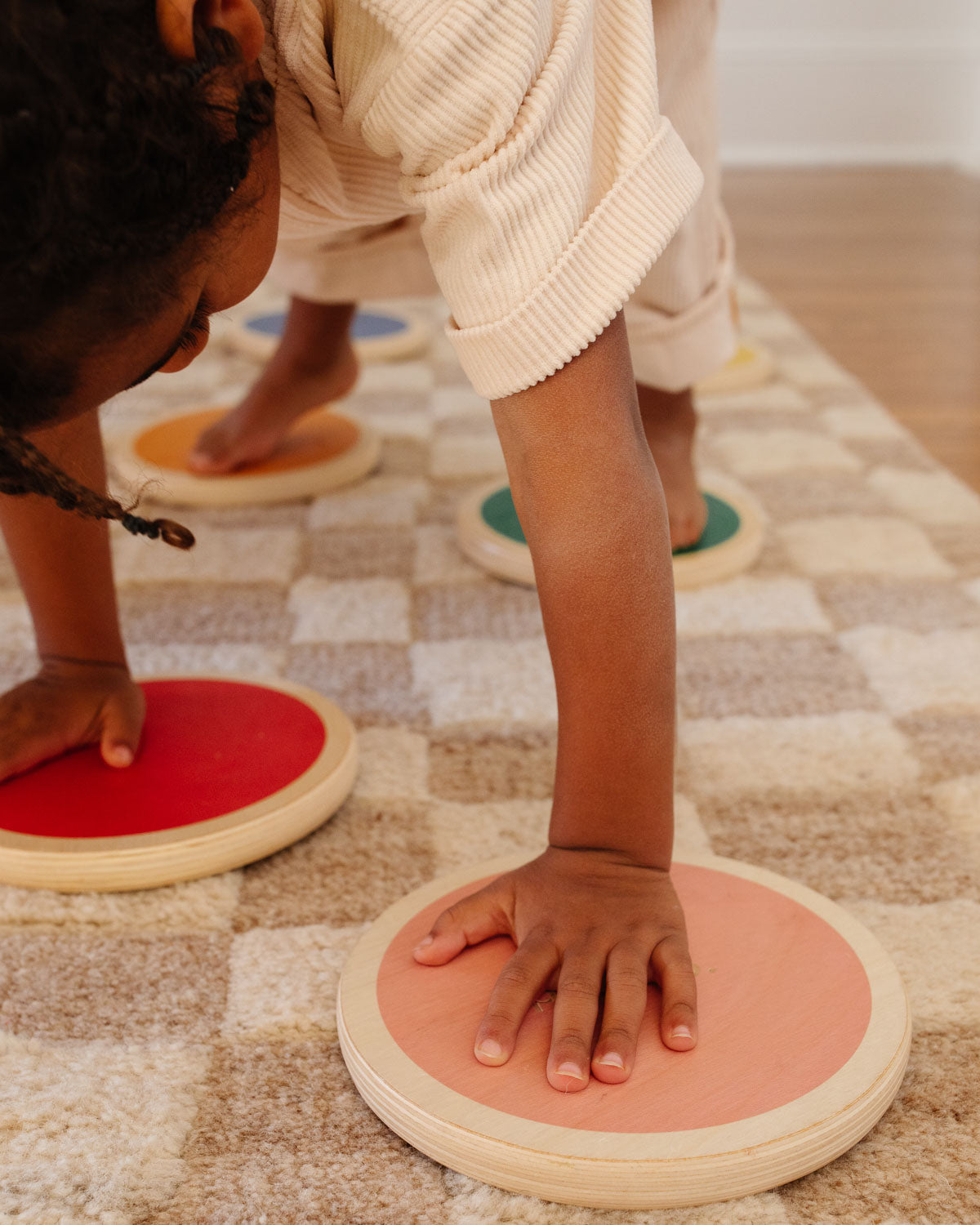
Toys like our Wooden Stepping Stones give your child the chance to practice balance, coordination, and spatial awareness at their own pace. There’s no single “right” way to move across them, which invites experimentation.
Our Balance Beam offers a similar opportunity. Your child can step carefully, hop, turn, and repeat movements as many times as they want. Repetition builds confidence. Confidence increases focus.
Add some additional challenge to these activities to keep them interesting. For example, give your child a bean bag and ask them to balance it on their head as they walk the Balance Beam.
Or, offer your child a small handbell. Can they walk through the Stepping Stones without the bell ringing?
When your child’s movement needs are met, they’re often better able to settle into quieter activities afterward.
3. Follow Your Child’s Interests
Independent play lasts longer when it connects to what your child already enjoys.
Pay attention to what they return to naturally:
- Climbing
- Stacking
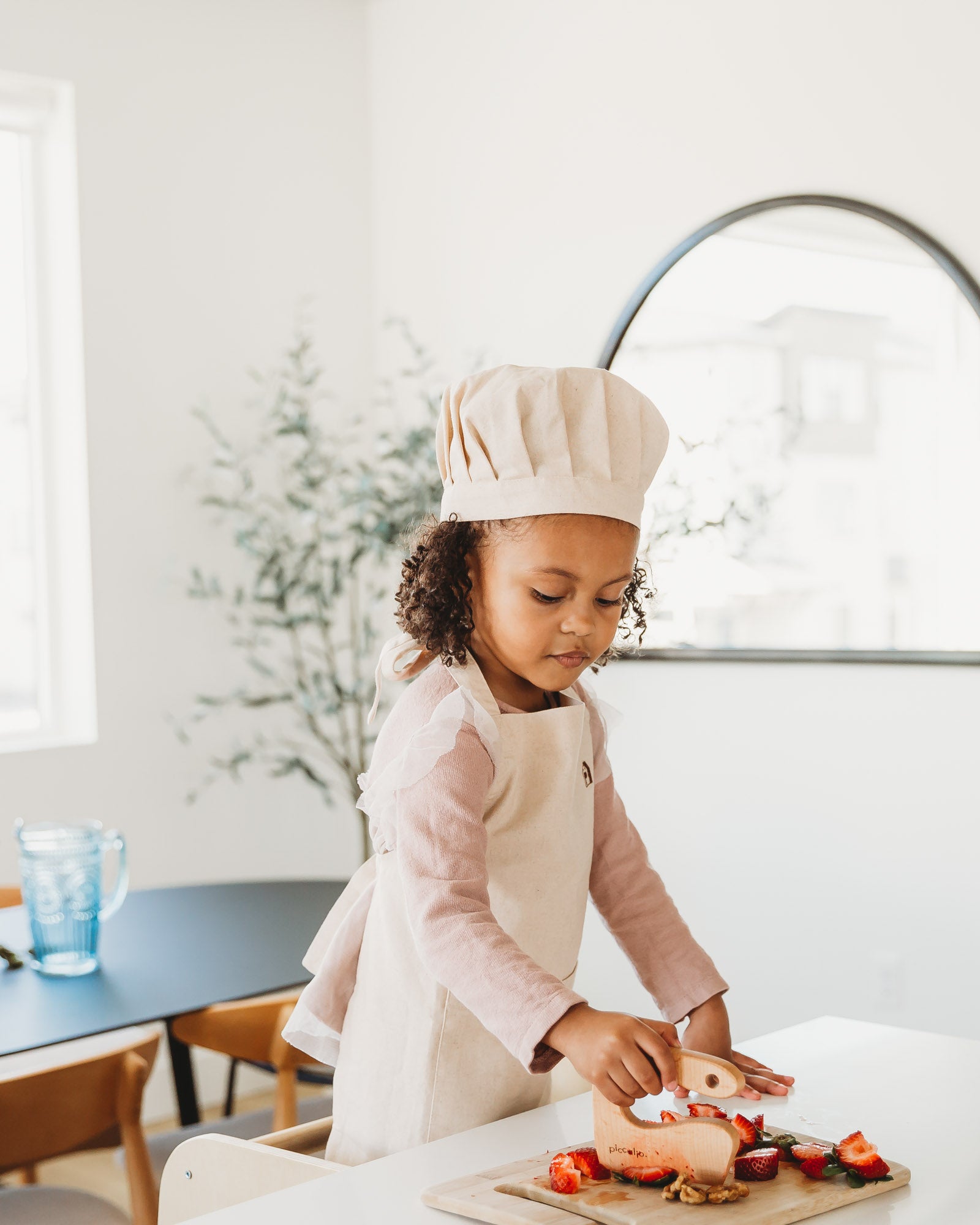
- Cooking
- Gardening
- Sorting objects
- Coloring
- Using scissors
Instead of introducing entirely new activities, build around those interests. Add small variations while keeping the core familiar. For example, swap out your child’s wooden blocks for Tinker Toys or Magna Tiles for a different style of building.
Or, offer seasonal variations of your child’s favorite quiet activity. For example, print out coloring pages related to the upcoming holiday. Or, set up a sorting activity with seasonal objects like large and small pinecones in the winter, or colored wooden eggs in the spring.
Another idea is to link activities to their favorite topics. When I was a teacher, there was one preschooler who loved insects. So, we offered him counting activities using model bugs and images showing insect feet.
When your child feels inspired and motivated about an activity, they’re more likely to continue it independently.
Looking for a list of inspiring activities? Try these 100 screen-free activities.
4. Start Small and Build Gradually
Independent play does not begin with thirty uninterrupted minutes. Your child needs to build their ability to play independently slowly, like strengthening a muscle.
Start with a few minutes while you remain nearby. Let your child know what you’re doing: “I’m going to sit here and answer an email while you play.”
That reassurance matters.
As your child grows more comfortable, the time naturally extends. Independent play develops through consistency, not pressure.
Pro Tip: Instead of expecting complete independence from your toddler, remain in the same room. If you’re cleaning in the kitchen, bring your child’s table and chair along with you or invite them to wipe down a counter beside you. Another idea is to suggest that your child bring something portable, like a pad of paper and a crayon, as you move around the house.

5. Resist the Urge to Step In
It’s tempting to try to improve your child’s play or suggest better ways to do something. But independent play is about ownership and building confidence.
If you notice your child struggling or working through something, try:
- Observing quietly
- Offering encouragement instead of solutions
- Waiting for your child to ask for help before stepping in
When your child solves even a small challenge independently, they build resilience and confidence. Research suggests that age-appropriate independence can reduce stress and anxiety in young children. When your child manages a challenge and successfully problem-solves, new challenges feel less intimidating and scary.
6. Build It Into Your Daily Rhythm
Consistency and routines help independent play feel familiar rather than forced.
You might choose:
- A short play session after breakfast
- A movement block before dinner
- Looking at books for a few minutes before bedtime
When independent play becomes a natural part of the day, your child begins to expect it. And when expectations are clear, resistance often decreases.
7. Create an Environment That Fosters Independence
Your child is more likely to engage independently when the environment feels welcoming and accessible.
Key elements include:
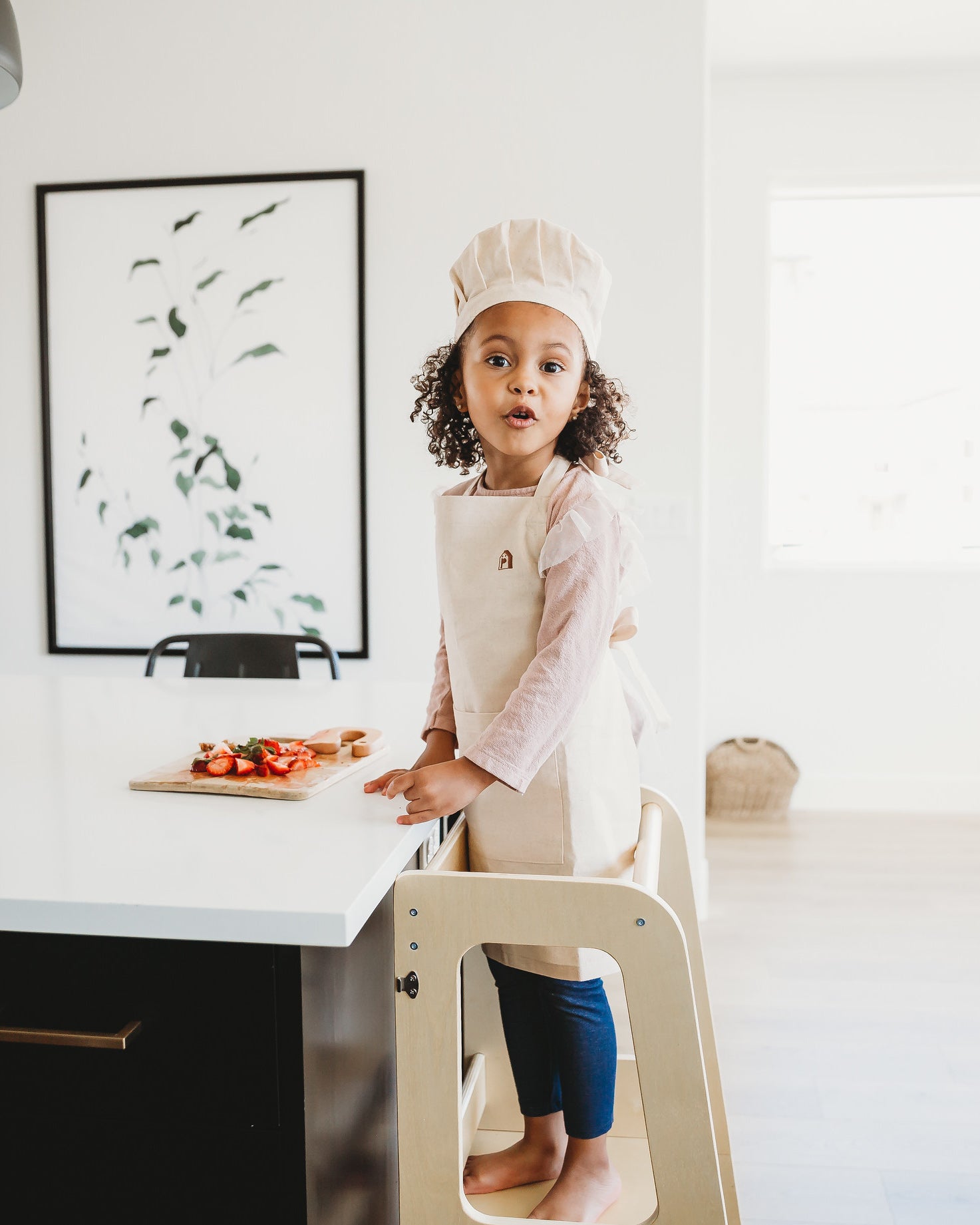
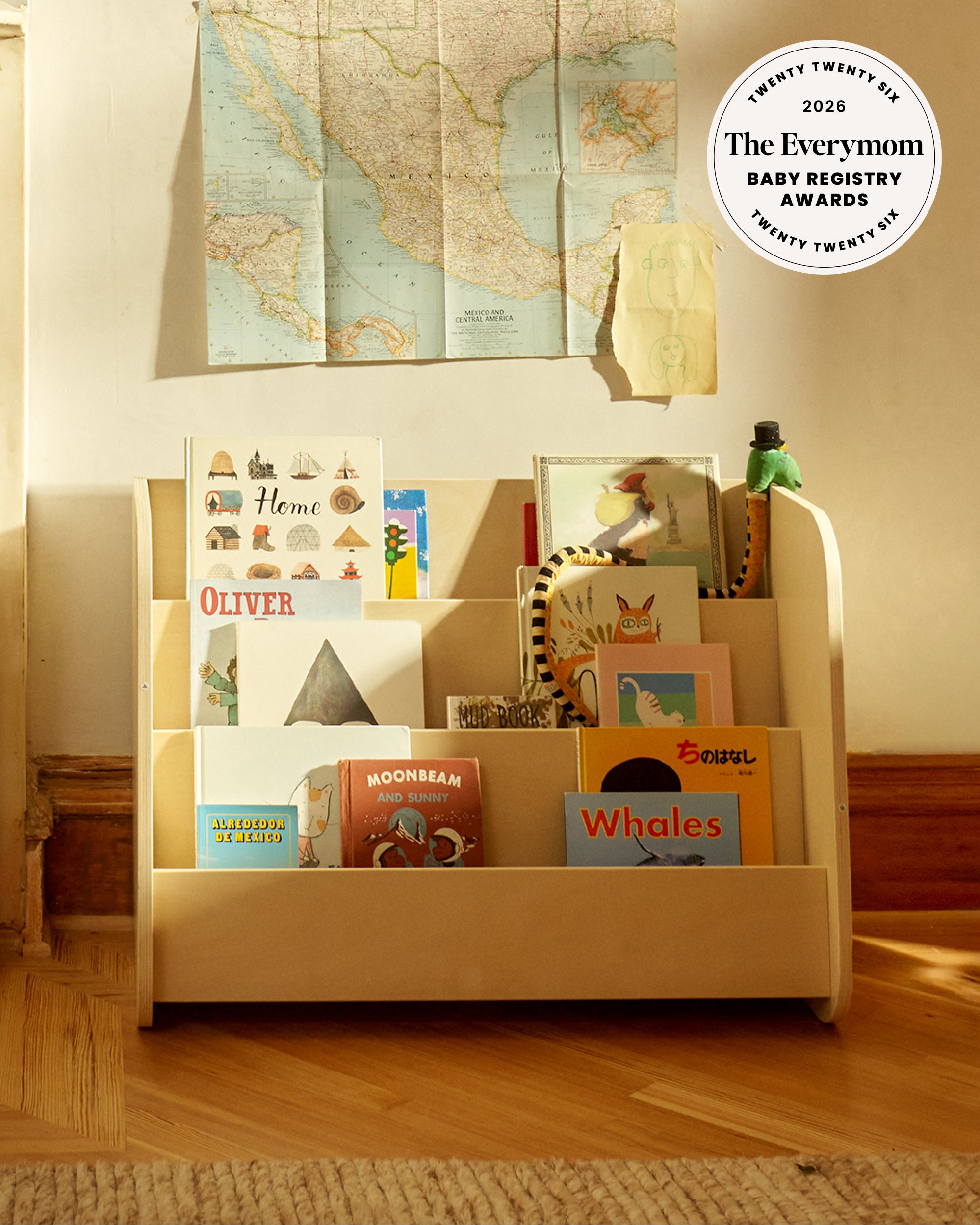
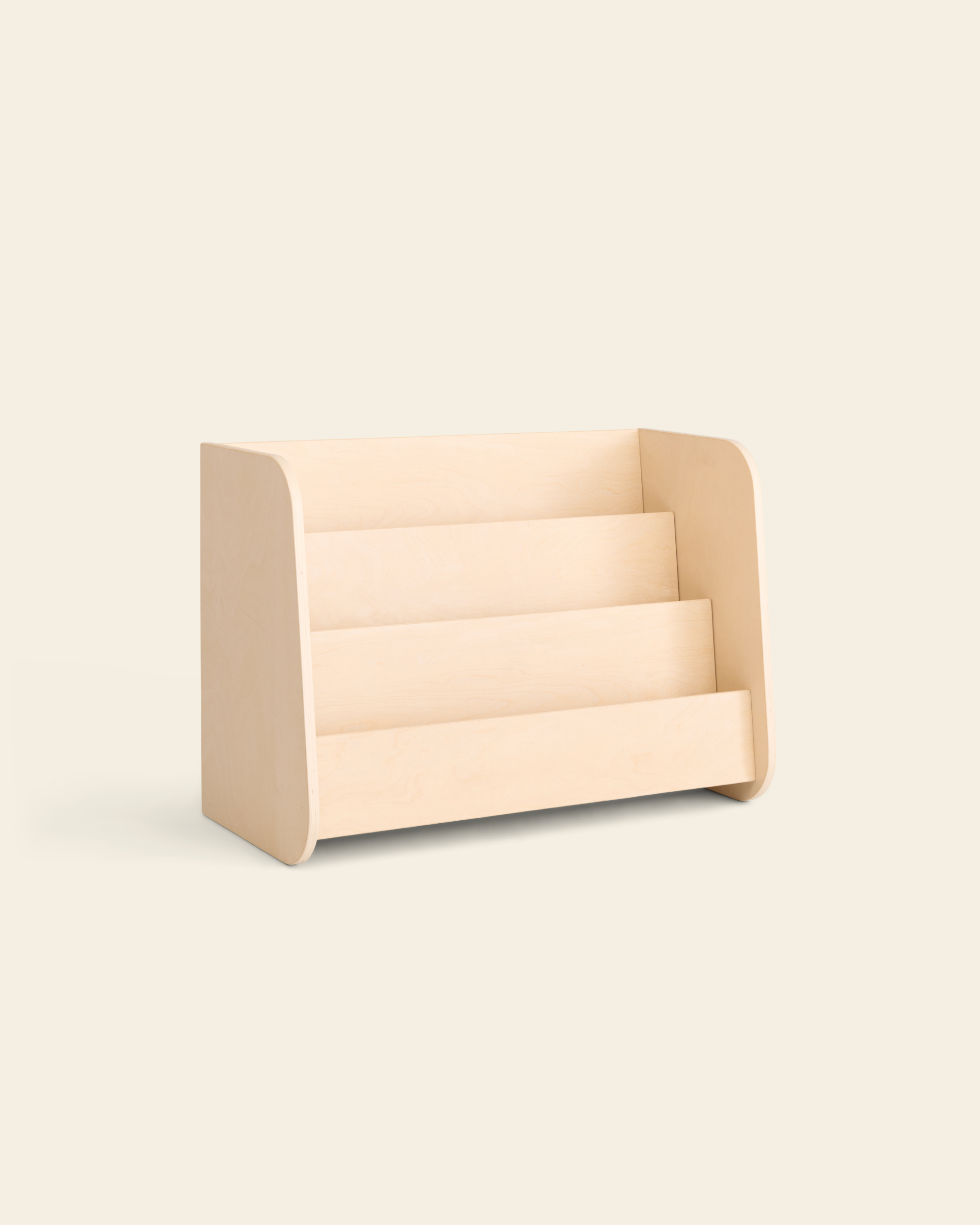
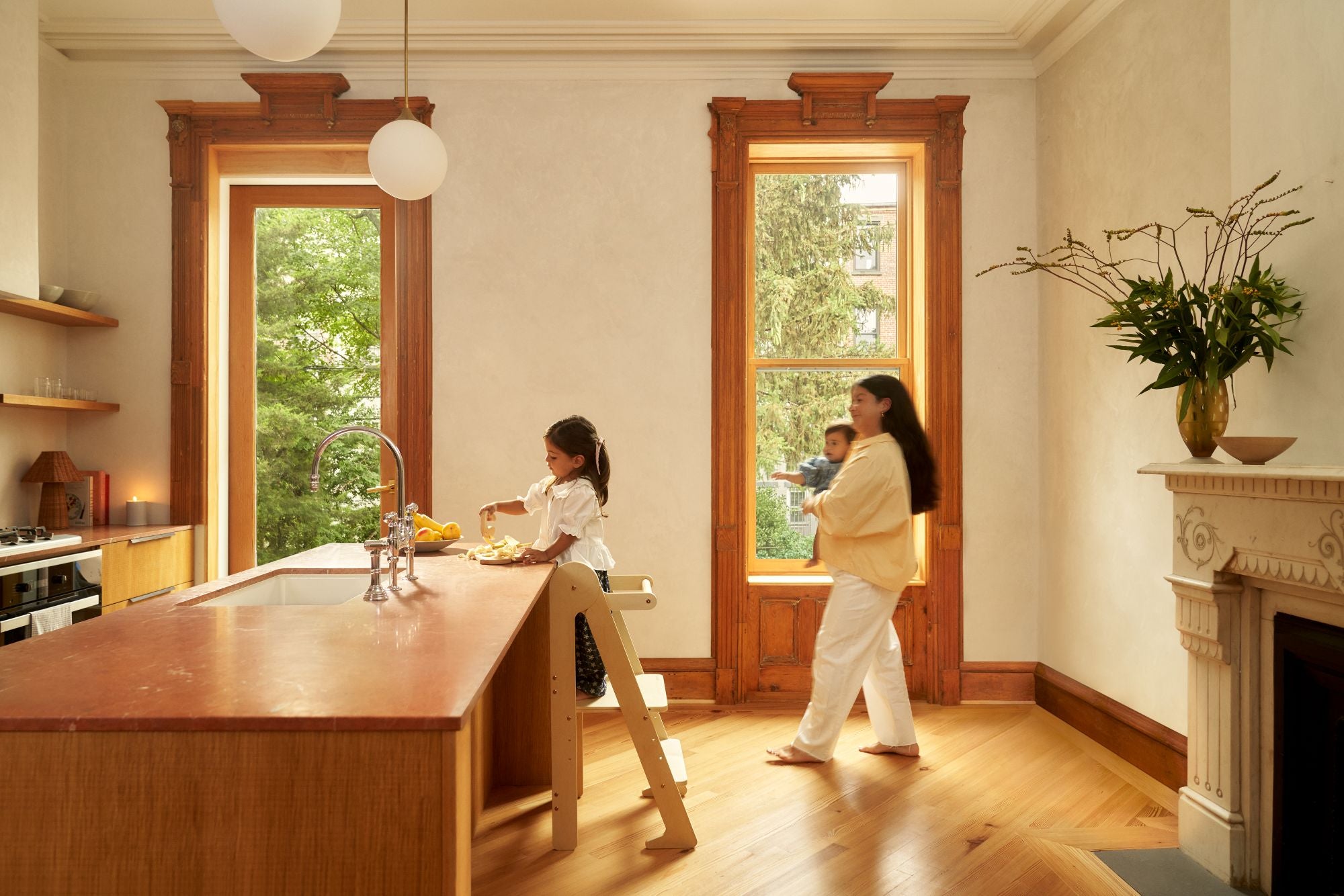
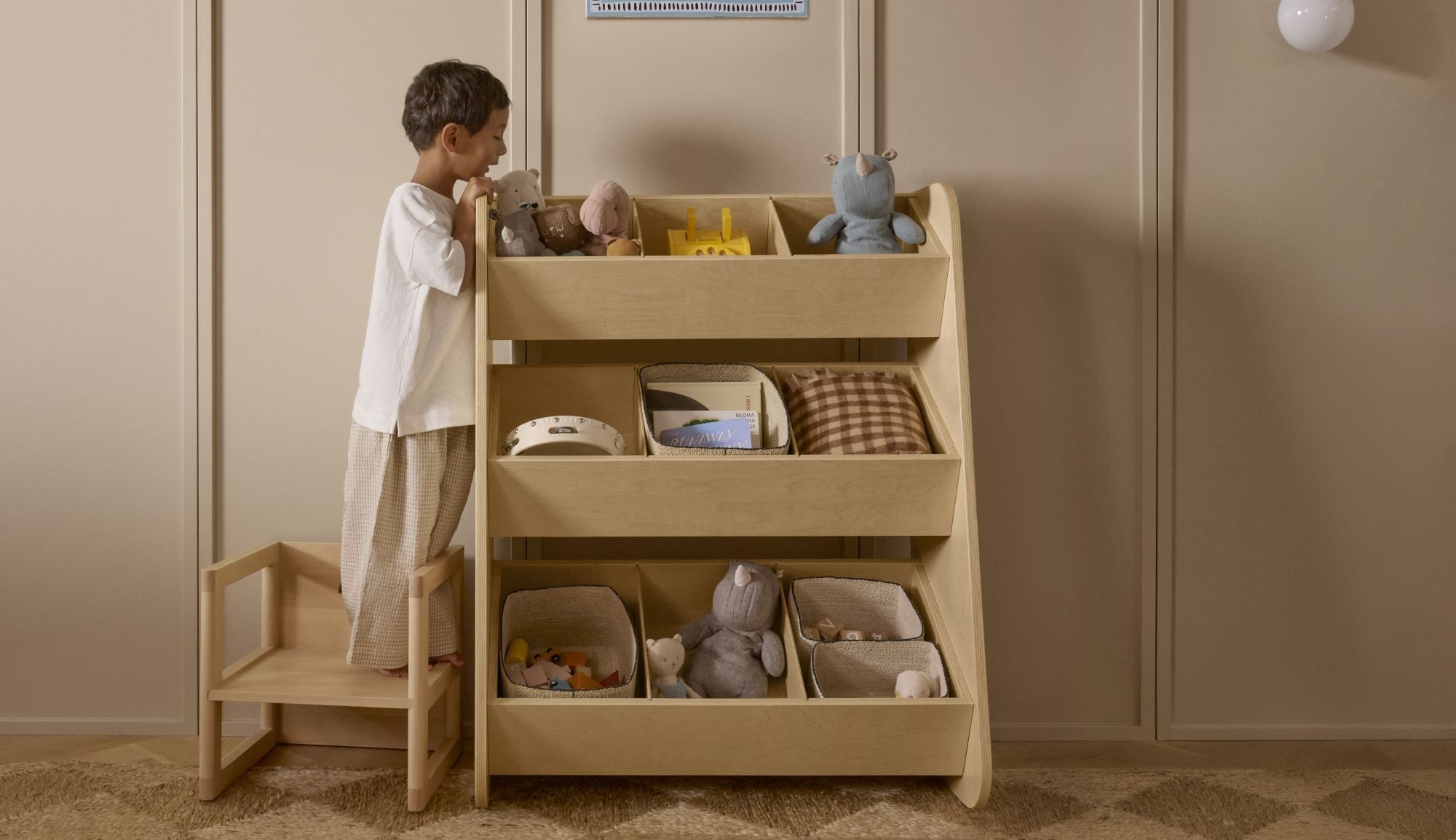
- Child-sized furniture. Set up spaces that make it easy for your child to work independently. Key pieces include a child-sized table and chair, a Toddler Tower, and a Montessori Bookshelf.
- Open floor space for movement. If possible, add toys that encourage gross motor play, such as a Balance Board or Balance Beam.
- Materials within reach (instead of having to ask you for help). Keep items like art supplies, building toys, and even clean-up supplies available on open shelves.
The right setup makes independence feel inviting and fun.
Supporting Independence Without Pressure
Independent play should never feel like isolation. Your child still needs connection, reassurance, and presence.
The goal is not to step away completely. It’s to create an environment where your child feels safe exploring on their own while knowing you are close by.
Over time, small stretches of self-directed play turn into something bigger. These moments transform into self-confidence and a strong sense of self. Confidence in problem-solving. Confidence in their capabilities.
That confidence carries into other parts of life.
Explore Furniture That Supports Independent Play
Creating a home that encourages independent play starts with thoughtful design.
Explore our Playroom Collection to find pieces that support movement, focus, and pieces so fun and exciting that they inspire independence.
When your child’s environment invites independence, play becomes something they return to naturally, and confidence grows with it.
Need more toddler-friendly activities to keep your little one engaged and learning? Try these 18 Montessori fine motor activities.






Leave a comment