

When Can Newborns See Color and Baby Eye Development
When your infant looks up at you, what can they see? At birth, babies' visual systems are still developing. What you can see and what your baby can see are vastly different. So, when do babies start seeing color, develop depth perception, and enjoy sharper vision?
An Overview of Baby Vision
At birth, your baby's vision is poor compared to an adult's. Over time, your infant's eyes develop and grow, improving their vision.
What Can Newborns See?
According to Mass Eye and Ear, babies are born nearsighted. This means far away objects appear blurry. They typically have 20/600 sight, which means closer objects are clearer, and far away objects are difficult to see.
Your infant's eyes function best when looking at objects about 8 to 15 inches away from their face. This is one of the reasons babies like looking up at your face.
An additional interesting fact is that a newborn's eyes are also extremely sensitive to light. That's why your baby may close their eyes when stepping outside. As your baby's retinas develop, they can see a greater range of light and dark.
When Do Babies Track Moving Objects?
Babies start tracking moving objects when they are about 2 months of age. At three months of age, your baby may also start reaching for objects.
The American Academy of Ophthalmology (AAO) says that babies need practice to learn to coordinate their eyes. That's why during the first few months of your baby's life, they may cross their eyes. Or, one eye may wander off to the side. This is normal.
When Can Babies Judge Distances?
Your baby starts judging distances more accurately around 5 to 8 months of age, the AAO says. This means your baby has better depth perception. One change you might notice is that your baby has better hand-eye coordination. Now, your baby can grab objects near and far more successfully.
When Do Babies Start Seeing Color?
At birth, babies see color, but in a muted way. The idea that babies see only in black and white is a myth, researchers say. Instead, babies see colors with high contrast best, such as the difference between red and pale yellow. For this reason, babies often enjoy looking at black and white images as the contrast between these colors is great.
By 5 months of age, babies can see more colors. Experts say that babies can see bright colors best. Muted tones may appear more gray to babies. Over time, their ability to see color improves.
How to Support Your Baby's Visual Development
Your baby needs to be able to see and explore the world around them. From the first months of life, you can provide your baby with lots of experiences that enhance their vision.
Most importantly, spend lots of time face-to-face with your baby. You can use this time to sing songs and recite nursery rhymes. Your baby will enjoy watching your face and may even start mimicking you.
One thing to try is sticking out your tongue. Your child will watch and try to copy you. Also, going for walks outdoors gives your baby plenty of interesting things to look at. Pop your baby in a baby wrap or carrier, or use a stroller and enjoy the sights!

Montessori Activities for Vision Development
How can you help your baby's vision development? Dr. Montessori studied infants and children. She believed strongly in helping children sharpen their senses, including sight.
Here are some age-appropriate activities inspired by Montessori that boost visual stimulation in babies.
1. Montessori Mobiles and Toys
Montessori created many materials or toys to help children learn. For babies, Montessori created mobiles. There are four mobiles in total. One uses black and white, while others show different shades of the primary colors.
Set up a mobile over your baby's play mat or crib so they can watch it. Switch out the mobiles every so often so your child can observe new colors and shapes.
2. Using a Mirror
In many Montessori classrooms for infants, there are mirrors close to the floor. This way, your baby can enjoy tummy time while looking in the mirror. Your baby will love seeing their face in the mirror.
3. Rattles and Balls
Look for balls and rattles with different textures and colors. Move these toys in front of your child so they can try tracking them with their eyes as you move them. As your baby grows older, they can hold the toys, look at them, and explore them.
4. Read Books
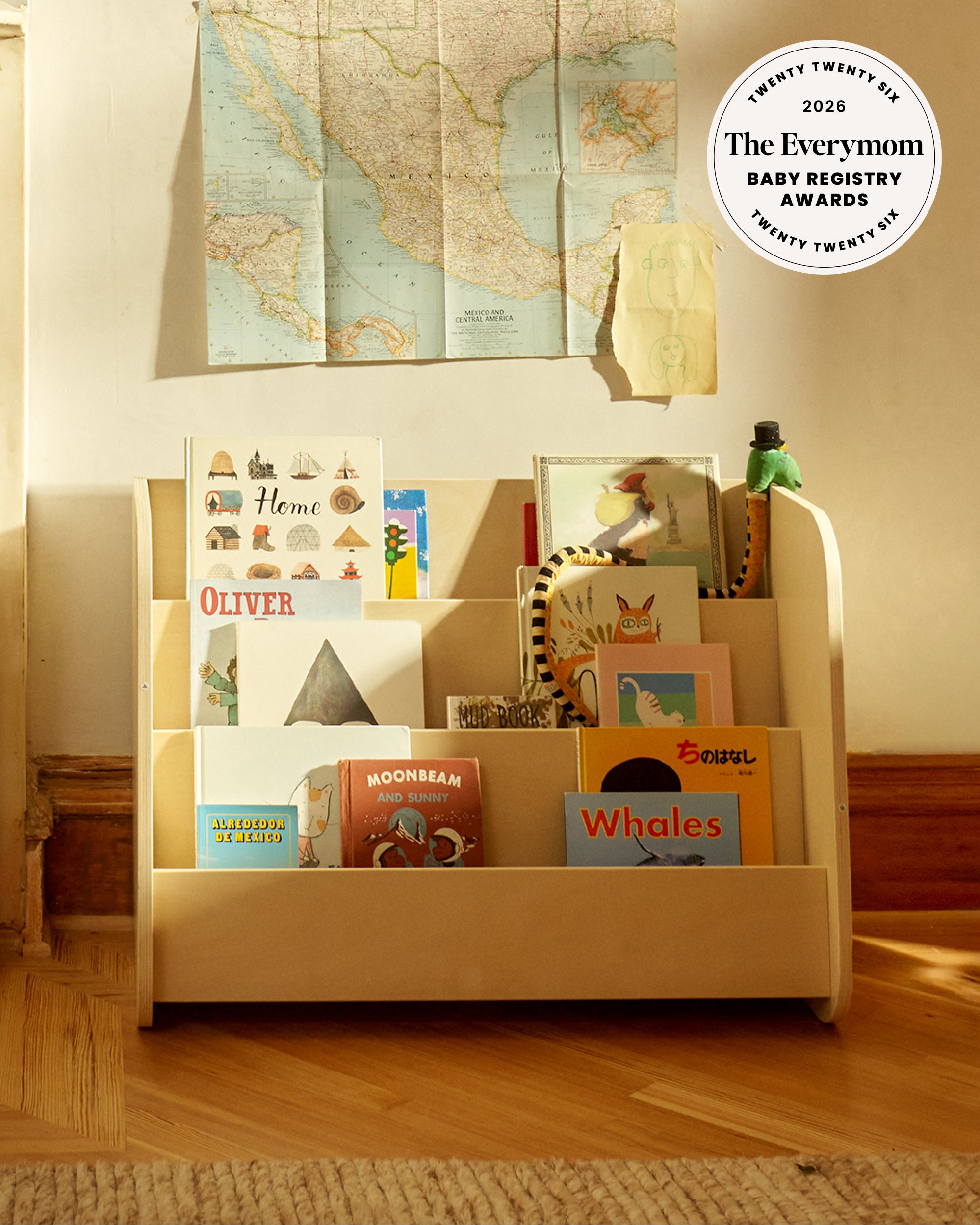
Montessori encouraged caregivers to focus on books with realistic drawings and photos. This helps children get a strong sense of reality. Here's a list of Montessori-approved books you might want to try.
Or, you can make your own books by printing out photos of family members. Show the pictures to your baby and talk about each person and what's going on in the photo.
5. Hiding a Toy
During tummy time, or after your baby can sit, show your baby a toy. Then, hide it. See if your baby can find the toy under a pillow or under a basket.
Montessori also created a material called the "Object Permanence Box." This toy helps children understand that objects still exist even when they can't see them. Babies can between 9 and 12 months can start using this material, which is a ball or coin that you can drop into the box. Then, they can open a drawer and find the object.
6. Playing Games
Play games with your child that involve vision. For example, you can play peek-a-boo. Or, try an alternative version. Drop a light cloth over your baby's face, and then let them remove it, or remove it yourself. When they can see again, say "boo!"
Other songs and nursery rhymes like, "The Itsy Bitsy Spider," or "Twinkle Twinkle Little Star," with hand motions are also great.
7. Go Out and About with Your Baby
Montessori noticed that during the 1900s, when she was alive, people often kept babies indoors. They might keep babies in a nursery or at home. She praised cultures that used baby wraps to take babies out into the world. She believed that when babies went shopping or out around town with their parents, they learned new words and observed more.
So, take your baby out for a walk, grocery shopping, or to the bank.
8. Let Your Baby Lead the Way
Notice what your child is looking at. When you're holding your baby, you may notice they look in a mirror or stare at a painting. Take them closer to what they're looking at so they can see better.
Your Baby's Vision
As your baby grows, you'll notice their vision gets better and better. If you notice that your baby is 3 months old and still doesn't track objects using their eyes, check in with your child's pediatrician.
Babies can see color from birth, but their ability to see color gets better over time. When you play with your baby and give them opportunities to see the world, they learn more and more.





Leave a comment