


Beyond Toddler Activities: Cultivating a Routine at Home with Your Young Child
Once upon a time in my first years of motherhood, reading The Little Mouse, the Red Ripe Strawberry & the Big Hungry Bear by Don and Audrey Wood was a daily ritual. Getting my firstborn to accept another story was next to impossible. So, we typically read it four, five...maybe even ten times in a sitting.
When he was 18 months old and at the height of his obsession, I flew solo with him to my grandfather's funeral. Reading that book kept him happy on the airplane and, thankfully, seemed amusing to the other passengers.
Life at home with toddlers is a sweet time, but also a challenging time. The "I love yous," giggles, and slobbery kisses compete with demands, tantrums, and lots of repetition. To be completely honest, parenting through this stage made me question my sanity at times.
When I was pregnant with my oldest, I completed my Montessori teacher training. Looking back, there couldn't have been a better moment to do it. It completely transformed my parenting and how I managed toddlerhood for all three of my children. Read on to see my reflections on parenting through the busy toddler stage in a way that feels right for you and your family.
The Realities of Staying at Home with Toddlers
Perhaps you've come across the aphorism, "The days are long, but the years are short," attributed to Gretchen Rubin. If you've ever found yourself counting down the hours until nap or bedtime, yet tear up at their first birthday, then you understand this quote. Time seems to go slowly and then all at once when raising toddlers.
Seeing the World Again for the First Time
For young children, even the mundane is new and exciting. Everyday items like bubbles or a cooking pot with a wooden spoon can be a lot of fun.
On the plus side, this means entertaining your young child with simple materials at home is easy. Their eyes light up, and they squeal with delight when you don't expect it. Their fresh perspective brings excitement and wonder to the everyday.
On the more challenging side, it means they want to do everything again and again, which can get old. Developmentally, young children need a lot of repetition. Each time they experience, hear, or do something, they learn. This is something I tried to keep in mind when my kids wanted to repeat activities and games.
Big Feelings
The toddler phase has a rough reputation. "Terrible twos." "Threenagers." Temper tantrums. These stereotypes come from a place of truth. Young children need help learning to manage their feelings, and the process isn't always pretty.
Even small inconveniences or setbacks can result in a meltdown. Your child's cookie broke; they cry. They can't get their shoes on? They scream and throw their shoes.
Managing these difficulties and helping them work through their feelings becomes part of daily life. Over time, this gets easier.
Your Little Shadow
Little children want to be with you all the time. Staying at home with your toddler means you might not even get a solo bathroom break (unless they're napping).
Toddlers also contradict themselves often. They want to do things "all by myself!", but also follow you around to be in the same room you're in.
Like a shadow, they also copy everything you do and say. I remember my children automatically copying my actions. If I was making rolls, they'd watch before forming a ball with the dough, just like me. Even in their play, I'd catch them repeating phrases and mannerisms as if they were little mini me's.
Following the Child While Choosing Your Battles
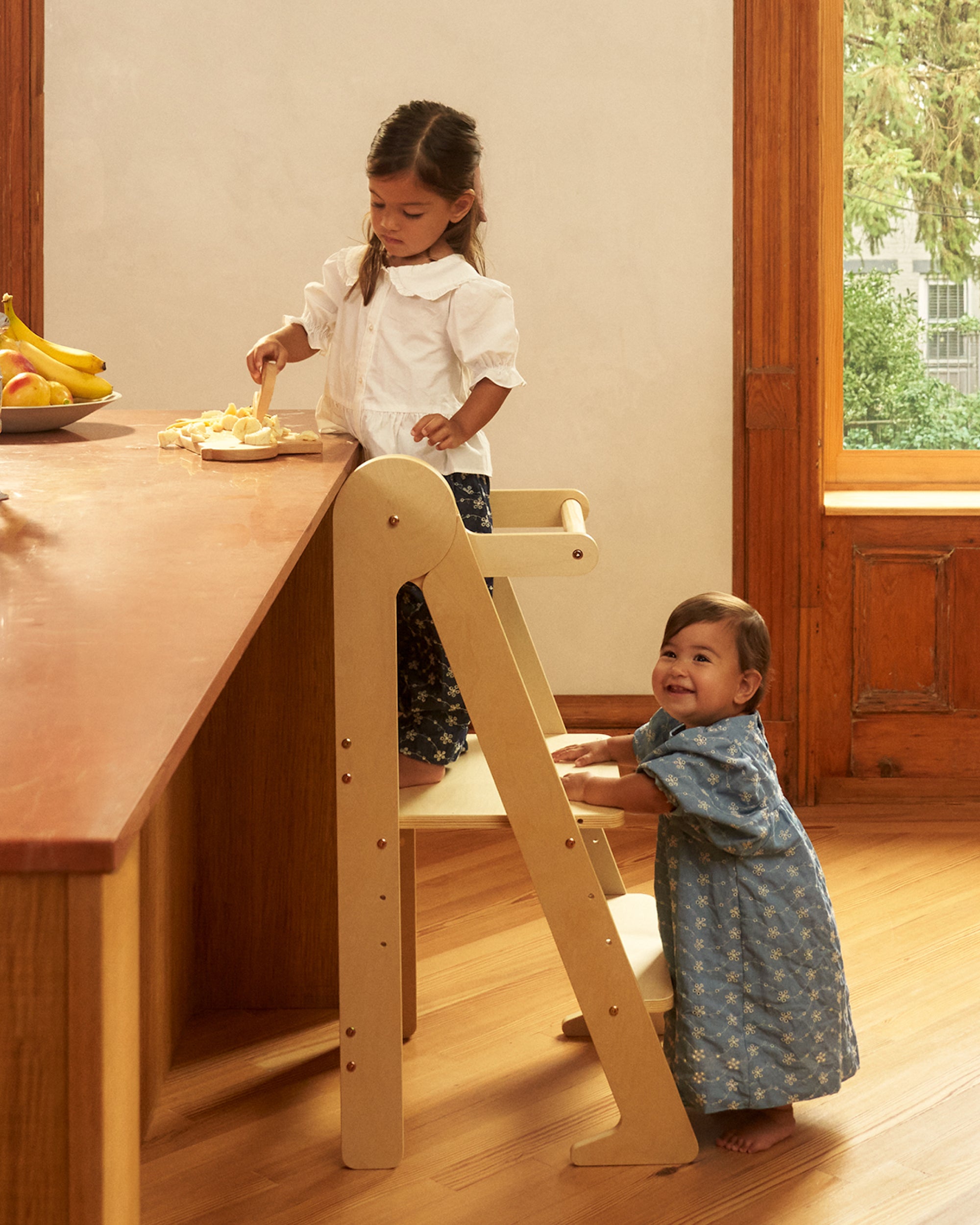
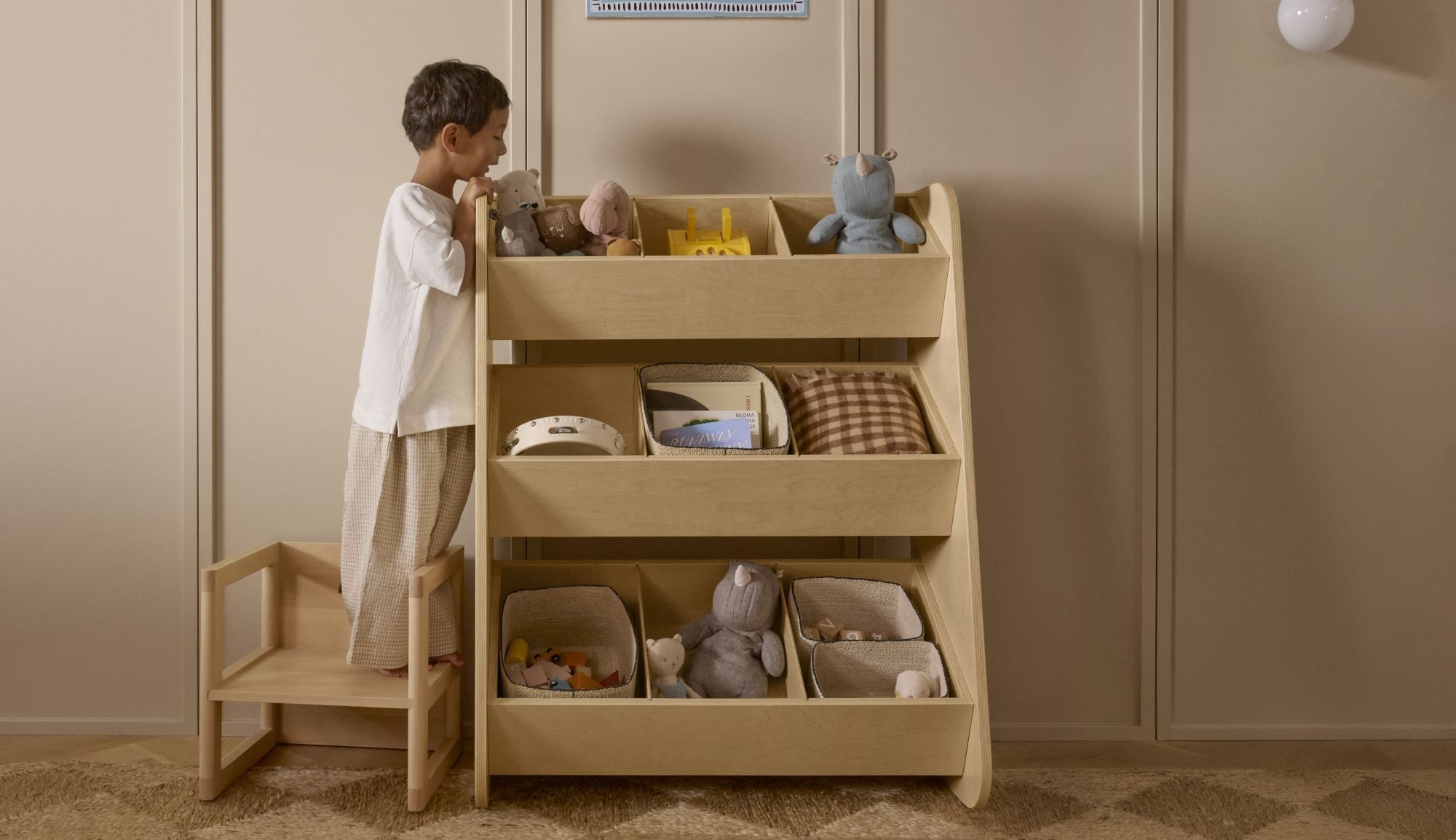
Toddlers often show strong interests and are persistent about exploring them. You’ll see this in action when young children try to play in the toilet. Or, I remember my daughter became obsessed with little stools. She saw one at my mother-in-law’s house, and she wanted to carry it around and sit on it everywhere.
Instead of automatically saying “no!” or redirecting your toddler when their interests are unsafe or strange, it’s worth looking into them. For example, a child who constantly tries to get into the toilet may just be interested in playing with water. Or, my daughter’s obsession with stools helped me notice that she needed a toddler-sized table and chair.
Following your child’s interests isn’t always possible. As a toddler parent, it’s important to learn to choose your battles. When possible, you can turn your child’s interests into moments of learning and activities. When not possible, you can redirect your child and hold boundaries.
Learn more about setting boundaries and using redirection in this blog post.
Creating a Life Around Your Toddler's Needs: Involving Your Child
As a mom who loves a DIY tutorial, I understand it's easy to get sucked into the idea that your child must be entertained every moment of the day. When you type in "what to do with toddlers" into a search engine, you get a list of activities for toddlers.
However, as a mom, always having new activities available isn't realistic. Also, this approach doesn't prepare your child for real life. And it's not even what your child needs. Young children are watching us, want to be with us, and copy what we do.
What I found more practical was incorporating my kids into daily life with me. Some examples:
- If I was washing dishes, they were beside me, also "washing dishes." At first, they just played in the soap and water. Eventually, I'd wash, and they'd rinse.
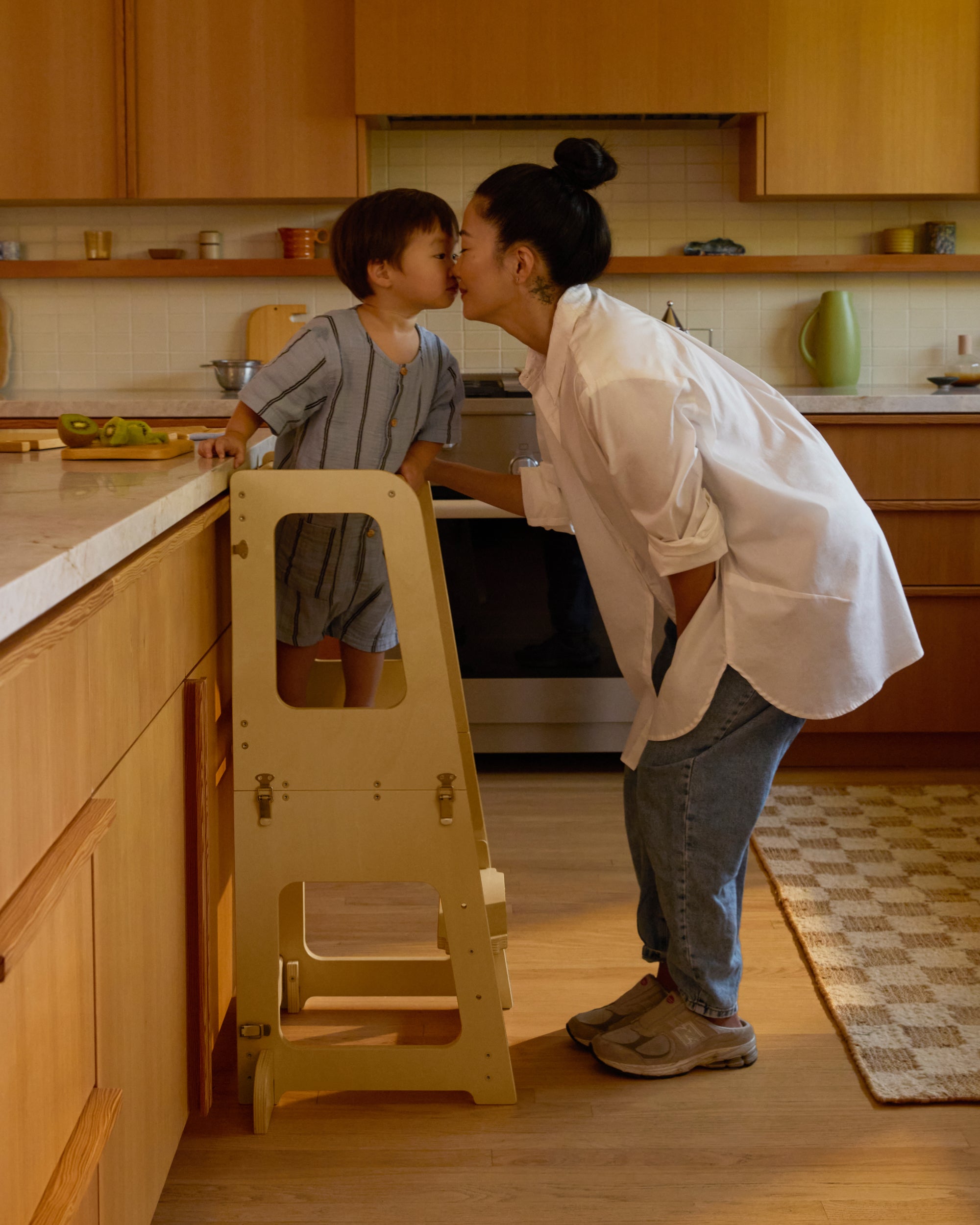
- If I was cooking, they were beside me with kid-friendly kitchen tools, also "cooking." I always found something for them to do, whether it was washing tomatoes or chopping zucchini.
- When I was doing laundry, they helped sort clothes and fold them.
The trick was always finding a realistic job for them to do related to what I was doing.
Toddlers Like Chores
I learned when studying Montessori that children crave independence. From birth, children strive to meet milestones like walking, eating, and getting dressed. That means toddlers often take a liking to chores and often ask to help with jobs that are still beyond their abilities.
Kids love getting the chance to do real tasks and feel grown up. It's part of their "me do it" or "all by myself" stage, so common in toddlers. Plus, helping in household tasks can have a positive impact on your child's self-esteem.
As toddlers, you don't so much assign chores as involve them with an age-appropriate version of whatever you're doing. Finding that real, but age-appropriate job is the sweet spot where you're both happy and productive.
Sometimes, involving your toddler means chores take a little longer. But that smile on their face, and their joyful "I did it!" is often worth the time spent. The payoff is years later when their skills have grown, but that feeling of contributing to the family is a normal part of their daily life.
Download our FREE Montessori-inspired chore chart by age here.

Routines with Your Toddler at Home
Life at home with your toddler doesn't have to be all work and no play. Enjoying toddler-focused activities should also be part of your daily routines. What might this look like?
For each family, it's different. I remember spending days at home along the lines of:
- Wake up. Make and eat breakfast together.
- Brush teeth and get dressed.
- Morning chores like washing dishes or doing laundry with toddler(s) in tow.
- A morning outing. Typically a trip to the market, store, or the park. These trips were slow and often involved a stop for a snack.
- Make and eat lunch together.
- A nap or quiet time.
- Toddler-focused play.
The activities we enjoyed were usually pretty simple!
Some play ideas my kids loved as toddlers were:
- Obstacle course
- Arts and crafts
- Stringing beads on pipe cleaners
- Coloring cardboard boxes
- Painting with cotton swabs or finger painting
- Sensory play in the garden with dirt and digging toys
- Playing hide and seek with an object
- Fine motor skill Montessori-inspired activities
- Tossing a soft ball back and forth
- Creating a board game on a big piece of paper
Then, evenings were usually dinner, a bath, reading books, and going to bed.
Guiding Routines
Even as young children, I involved them in planning the day. Often, at breakfast, I'd explain what was coming next so they'd know what to expect. Then, I'd offer reminders before transitions so they would have a moment to get used to the idea.
An important part of planning involves leaving a bit of extra time for the unexpected. With toddlers, you might have a potty training accident, have to change a shirt, or manage a tantrum. Planning in some extra time reduces stress for both toddlers and adults.
Fostering Independence in a Natural Way
Developmentally, toddlers go through a period of parallel play. This means that children often play next to each other without interacting directly.
What does this have to do with independence? It can help you foster independence in a way that's natural for toddlers, increasing your success at having them play independently.
Young children are often happy to engage in their own activity as long as you’re in the same room or nearby. For example, if you need to answer some emails, you’ll probably be more successful if you set your child up with an activity beside you than if you expect them to play alone in their room.
Life at Home with Toddlers Creates a Base for Life
I remember the toddler stage with nostalgia. My children are now thirteen, eleven, and eight, and I stand firmly in the middle motherhood years. Gone are the days of potty training and board books; they've been replaced with soccer games and homework.
Even in middle motherhood, I can see glimpses of those days in our family routines. We still put meals on the table together, turn up the music to clean, and snuggle with a book together. In the toddler years, you set a beautiful base that will support your family as you grow together.








Leave a comment